
The most expensive leaks are the ones you never see. A dripping faucet announces itself; a pipe seeping behind a wall or under a slab can run for months, quietly rotting framing, feeding mold, and padding your water bill before it ever leaves a visible mark.
You don't need special equipment to catch most hidden leaks early — just a few simple checks and a habit of paying attention. Here's how to find a leak before it turns into a repair that involves drywall, flooring, and a lot of regret.
Start With the Water Meter Test
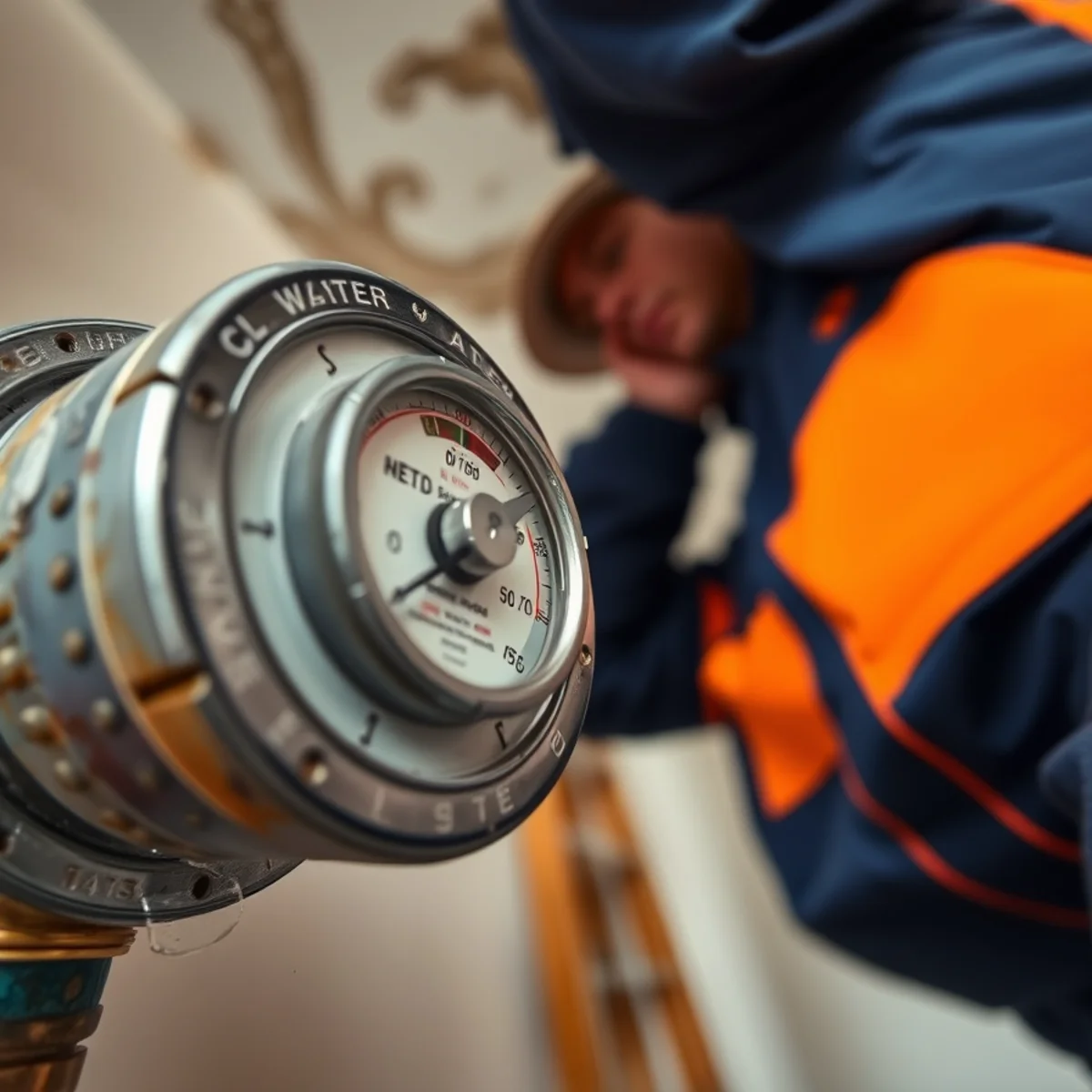
Your water meter is the single best leak detector you already own. To use it, turn off every water-using fixture and appliance in the house — faucets, ice maker, washing machine, dishwasher, irrigation. Then find your meter and note the reading, along with the position of the small flow indicator (often a little dial or triangle that spins when water moves).
- Shut off all water inside and outside the house
- Note the meter reading and the flow indicator's position
- Wait one to two hours without using any water
- Check again — any movement means water is escaping somewhere
Narrow Down Where It's Hiding
If the meter moved and you're certain nothing was running, you have a leak. To narrow it down, shut off the main valve to the house and repeat the test. If the meter stops, the leak is inside your home. If it keeps moving with the main closed, the leak is in the service line between the meter and the house.
That one extra step tells you whether you're hunting inside the walls or out in the yard — and it's the difference between opening drywall and digging a trench. Either way, you now know the leak is real and roughly where to focus.
Watch Your Water Bill
A water bill that jumps for no reason is one of the earliest signs of a hidden leak. Compare this month against the same month last year — usage tends to follow seasonal patterns, so a summer bill that's suddenly double last summer's is a red flag, not a coincidence.
A running toilet or a small underground leak can waste thousands of gallons a month without a single visible drip. If your habits haven't changed but your bill climbed, treat it as a prompt to run the meter test and start hunting.
Use Your Ears and Nose
Some of the best leak detectors are the ones you were born with. When the house is quiet, your senses pick up what a quick glance misses.
Listen for water
Late at night, when the house is quiet, walk the rooms and listen. The hiss or trickle of water running when nothing's turned on often points to a leak inside a wall or floor. Put your ear near walls that back onto bathrooms and the kitchen.
Smell for mold and mildew
A persistent musty or earthy smell — especially in one room, a closet, or a corner of the basement — usually means water is feeding mold somewhere you can't see. Trust your nose; that odor rarely shows up without a moisture source behind it. Watch for staining, bubbling paint, warped baseboards, and soft, spongy floors too.
The Toilet Food-Coloring Test
Toilets are the most common hidden water-wasters in any home, and a silent flapper leak can cost you without making a sound. The test takes two minutes: put a few drops of food coloring in the tank, not the bowl, then wait 15 to 20 minutes without flushing.
If color shows up in the bowl, the flapper is leaking and letting water seep through — a cheap, easy fix that pays for itself fast. Test every toilet in the house; it's common for one to be quietly running while the others are fine.
Warm Spots and Slab Leaks
Homes built on a concrete slab — common in many Central Indiana subdivisions — can develop leaks in the pipes running beneath the foundation. These slab leaks are among the hardest to spot and the most important to catch early, because the water has nowhere to go but into the slab and up into your floors.
- A warm spot on the floor can mean a hot-water line is leaking under the slab
- Unexplained damp or discolored patches on flooring
- The sound of running water beneath the floor
- A jump in how long the water heater runs
When to Call for Professional Leak Detection
If you feel a warm area on a floor that has no business being warm, take it seriously. In newer communities like Carmel, we often trace slab leaks back to a single failed fitting under the foundation — found early, the repair is far less invasive. The tests above tell you whether you have a leak. Pinpointing exactly where it is, without cutting open walls, floors, or your foundation to find it, is where professional tools earn their keep.
We use acoustic listening equipment, pressure testing, and thermal imaging to locate a leak precisely before anyone picks up a saw. That precision means we fix it with the smallest possible disruption, whether it turns out to be a single fitting or a sign that aging pipes need repair or repiping. If your meter's moving, your bill jumped, or something just smells damp, our leak detection team can track it down. Reach out and we'll find it before it costs you more.
Frequently Asked Questions
Keep exploring
Related Services
Service Areas