Water treatment isn't a sideline for us. It's right there in our name. While most plumbers barely mention it, softeners and filtration are what we know best — and in Central Indiana, that expertise matters more than almost anywhere.
This part of the state has genuinely hard water. Homes across Marion and especially Hamilton County pull water loaded with dissolved calcium and magnesium. You see it as spots on the glasses, film on the shower door, dingy laundry, and scale creeping into every appliance that touches water. Some homes deal with iron staining or a rotten-egg sulfur smell on top of that. We fix all of it — and we start by actually testing your water, not guessing.
Signs You Have a Hard Water Problem
Hard water leaves fingerprints all over the house. If several of these sound familiar, it's time for a test:
- White, chalky spots on dishes, glasses, and faucets that come right back after cleaning
- Soap and shampoo that won't lather, and a filmy feel on your skin after a shower
- Stiff, dingy laundry and towels that lose their softness
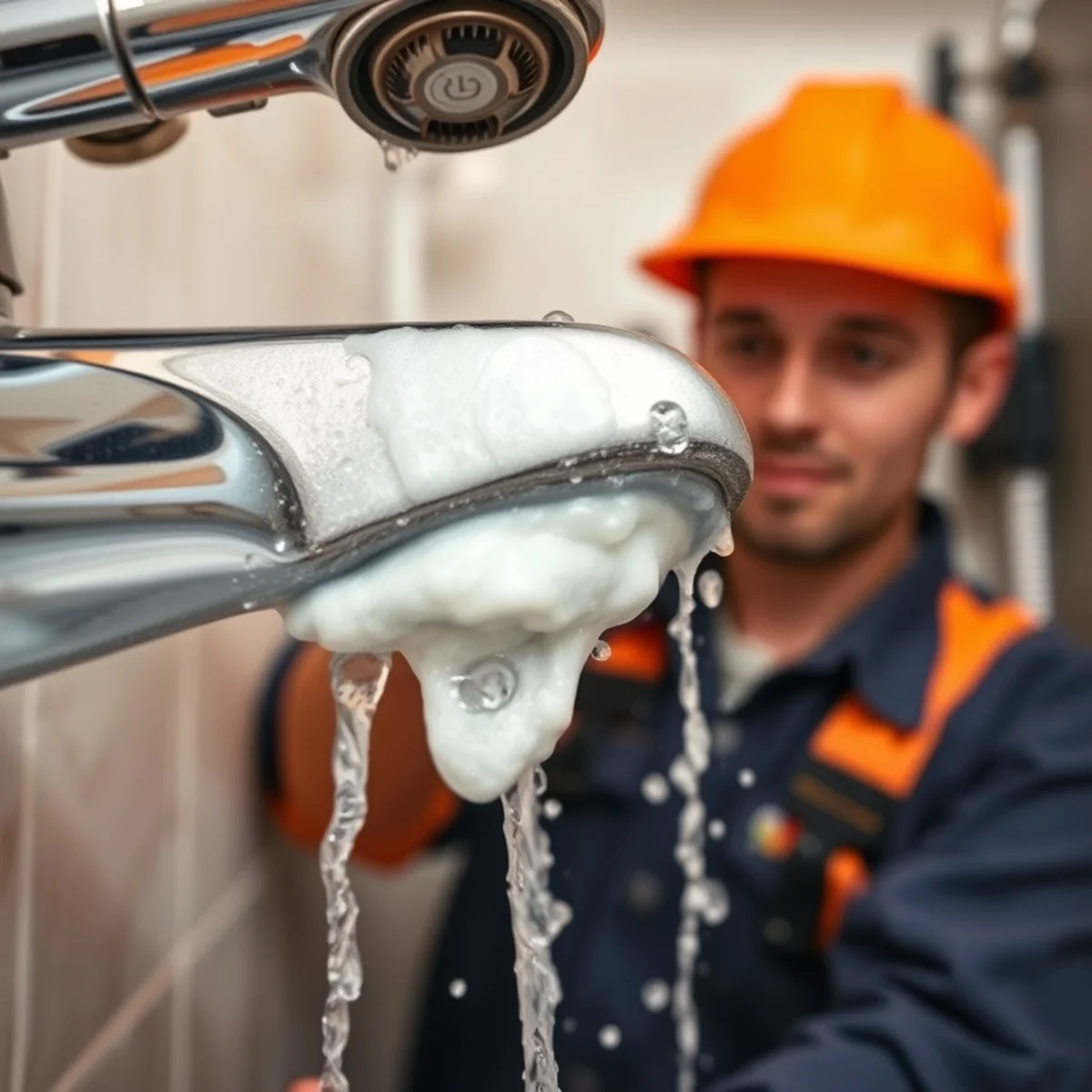
- Crusty scale building up on faucets, showerheads, and inside appliances
- Rust-colored or orange staining in sinks, tubs, and toilets (iron)
- A rotten-egg or sulfur smell from the hot water (hydrogen sulfide)
- A water heater that fails early or makes popping, rumbling sounds
It Starts With a Real Water Test
You can't treat water you haven't measured. Every good treatment plan starts with testing what's actually coming out of your tap — hardness level, iron content, pH, and whether sulfur or other issues are in play. Well water and city water tell very different stories, and even two houses on the same street can vary.
We test your water and read the results with you, then size and recommend equipment to match. That's the difference between a system that solves your problem and an oversized unit that wastes salt and water, or an undersized one that can't keep up. Correct sizing is everything, and it only comes from knowing your numbers. Our post on Indianapolis hard water explains what those numbers mean and why the local supply runs so hard.
- Professional testing for hardness, iron, pH, and sulfur
- Results explained in plain language, with no pressure
- Equipment sized to your water and your household's demand
- Recommendations honest enough to include 'you don't need that'
Softeners, Conditioners, and Filtration
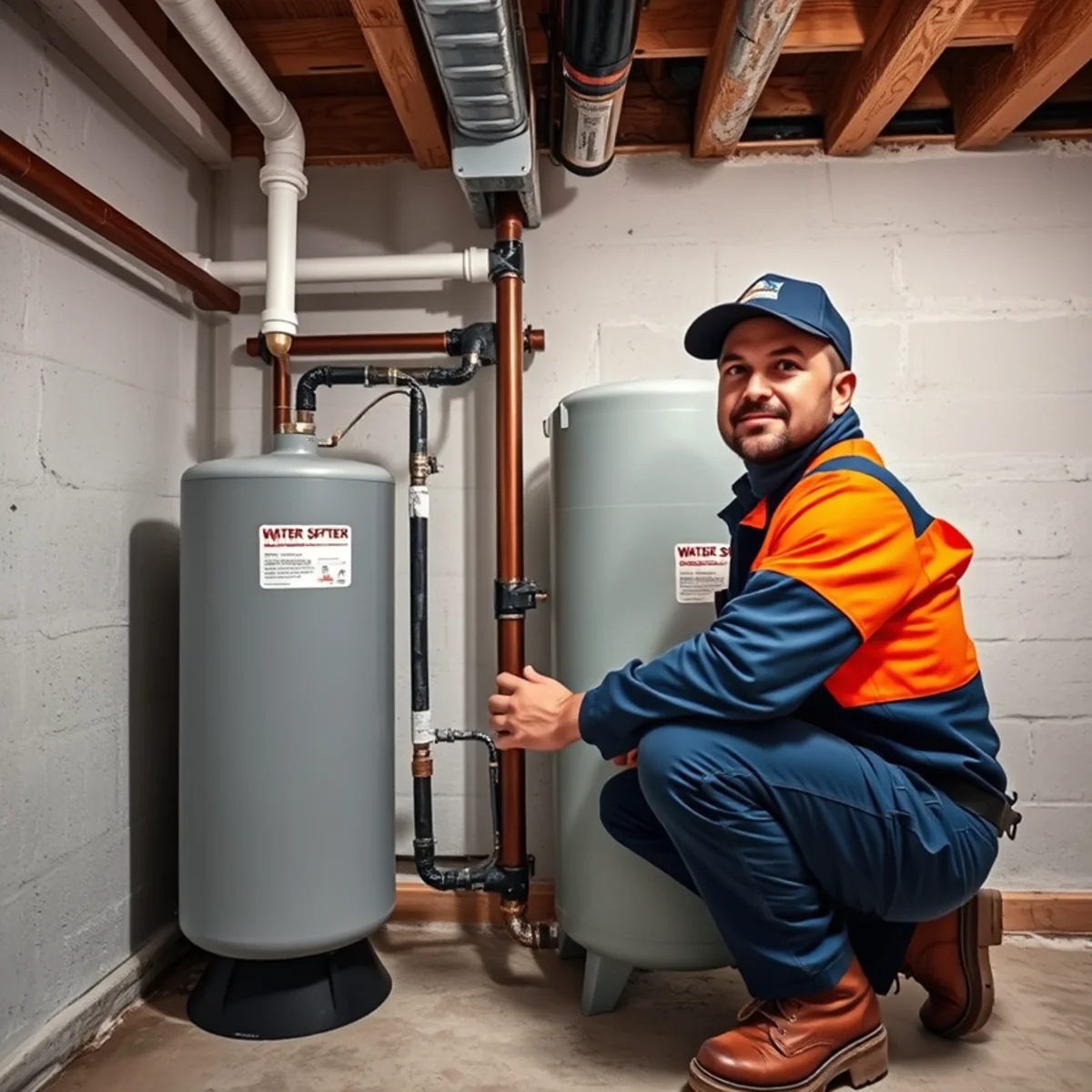
There's no one-size solution, so we fit the equipment to the problem. A traditional salt-based softener is the proven workhorse for hardness — it swaps the calcium and magnesium out through ion exchange and gives you genuinely soft water at every tap. For households that want to cut down on salt, a salt-free conditioner changes how the minerals behave so they don't scale up your pipes and fixtures, without adding sodium.
When the issue goes beyond hardness, whole-house filtration comes into play. Iron filters clear the orange staining that ruins fixtures and laundry. Specialized media tackles the rotten-egg sulfur smell that makes the hot water unpleasant. Often the right answer is a softener paired with the specific filtration your test calls for — a system built for your water, not a box off a shelf.
For drinking water, we install reverse-osmosis systems at the kitchen sink. RO strips out dissolved solids for clean, great-tasting water and ice, so you're not buying bottled water by the case.
How Soft Water Protects Your Whole Home
Treating your water isn't just about spot-free glasses — though you'll get those. It's about protecting the expensive equipment hard water quietly destroys, laying down scale inside your pipes, your appliances, and especially your water heater.
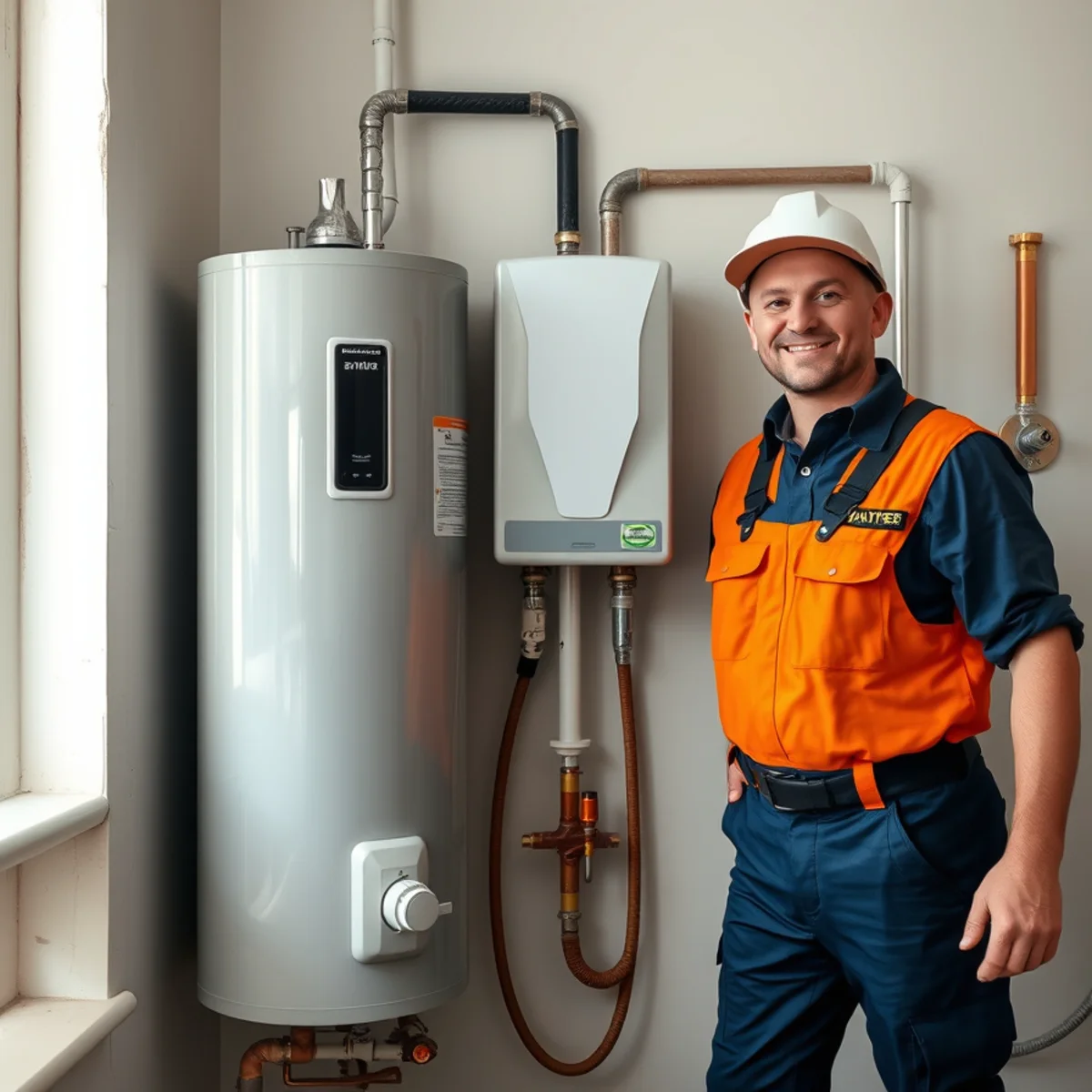
That scale is why so many tanks fail early in this area. It insulates the burner, drives up energy use, and shortens the heater's life. Soft water keeps the tank clean and helps it reach its full lifespan, which is why we bring it up with every water heater installation and treat it as essential for any tankless system, which scales even faster without it — our comparison of tankless vs. tank water heaters explains why. Your dishwasher, washing machine, and coffee maker all last longer too.
Soft water is easier on you, too. Skin feels less dry, hair rinses cleaner, and soap actually lathers. Your faucets and fixtures stay clean and last longer, which pairs naturally with new faucet and fixture installation. Homeowners tell us the whole house feels different once the hard water is gone.
Local Water, Local Know-How
We've treated water across the metro for over a decade — from Fishers and Noblesville up in Hamilton County to the older neighborhoods closer in. We know the local patterns: which areas run hardest, where iron shows up, and which well-water homes need a different approach than those on city supply.
As a family-owned business, we treat your home like our own — shoe covers on, floors protected, and a clean job site when we leave. You'll get honest, upfront pricing and equipment sized right the first time. For the water your family drinks, showers in, and cooks with, that specialized care is exactly what you want.
What Hard Water Is Quietly Costing You
Central Indiana's hard water does more than spot your glasses. Every appliance that touches it pays a price. Scale builds inside your water heater and makes it work harder, shortens the life of dishwashers and washing machines, clogs faucet aerators and showerheads, and leaves that stubborn crust on tile and fixtures. It's also why soap won't lather and your skin and hair feel filmy after a shower.
A properly sized softener stops the damage at the source, and homeowners tell us they notice the difference within days — softer laundry, cleaner dishes, better lather, and appliances that last longer. Our hard water guide digs into the local numbers, and softened water pairs perfectly with a tankless heater, keeping scale from ever taking hold in the equipment you rely on every day.
What Affects the Cost of Water Treatment
Because we size to your actual water, we quote after testing — never a one-price-fits-all guess. What shapes it:
- Your water test results — hardness level, iron, sulfur, and other issues found
- The type of system: salt-based softener, salt-free conditioner, or whole-house filtration
- Whether you're adding reverse-osmosis drinking water at the kitchen
- The size of your home and household demand, which sets the equipment capacity
- Where the equipment ties into your plumbing and how accessible that spot is
We test first, then recommend only what your water actually needs. You'll get a clear, upfront price with no pressure to buy more system than the numbers call for.
Why choose Ryan Water Systems for water softeners & water treatment?
This is what we're known for. Water treatment isn't a sideline for us — it's the heart of Ryan Water Systems, and it's why families across Indianapolis have kept us at 4.8 stars over 18 Google reviews since 2013. We test your water, explain exactly what's in it, and size a softener or filtration system to your home instead of selling you the biggest box on the truck. Licensed, insured, and upfront on every quote.
- 13+ years serving Central Indiana
- 4.8★ from 18 Google reviews
- Licensed & insured, family owned & operated
- Upfront pricing — no hidden fees
- 24/7 emergency response
- Satisfaction guarantee on every job
Water Softeners & Water Treatment across Indianapolis & Central Indiana
Hard water is a Central Indiana fact of life, and we treat it everywhere we go. Hamilton County homes in Carmel, Fishers, and Noblesville often see some of the highest mineral content in the metro, and Greenwood and Avon aren't far behind. Whether you're on city water or a private well, we test what's actually coming out of your tap and treat for it across Marion, Hamilton, Hendricks, Johnson, and Boone counties.