How much does a water softener cost in Indianapolis? It's a fair question with a frustrating answer: it depends, and anyone who quotes you a flat number before seeing your water is guessing. The good news is that the price follows a short list of factors you can actually understand, so you can tell a fair quote from an inflated one.
The single biggest factor is one most homeowners never think about: sizing. A softener matched to your water and your household runs efficiently for years. One that's wrong, too big or too small, wastes money every month it's installed. This guide walks through what drives the cost of a water softener in Central Indiana, the general ranges to expect, and why a water test is where an honest quote starts.
Why There's No Single Price for a Water Softener
A water softener isn't an off-the-shelf appliance with one sticker price. It's a system matched to the water coming into your specific home, and that water varies a lot across the metro, even house to house on the same street. City water and well water tell different stories, and a home with iron or sulfur needs more than hardness treatment alone.
That's why we quote after testing and sizing your softener, not before. A test tells us your hardness in grains per gallon, your iron and sulfur levels, and your pH, the exact numbers that decide which system you need and how big it has to be. Pricing built on real numbers is the only kind worth trusting; everything else is a hopeful guess.
The Factors That Shape the Price
Here's what actually moves the number on a water-softener quote.
The type of system
A salt-based softener, a salt-free conditioner, and a whole-house filtration setup are priced differently because they do different work. If you're still deciding between the first two, our breakdown of water softener vs. water conditioner explains the trade-offs. The more your water needs, the more system it takes, and the more it costs.
Grain capacity and correct sizing
Softeners are rated by grain capacity, which has to match your hardness level multiplied by how much water your household uses. A bigger home with hard water and four daily showers needs more capacity than a two-person condo. Getting this right is where the real value is. An undersized unit runs constantly, burns through salt, and wears out early, while an oversized one costs more upfront than you ever needed. The right size comes straight from your water test and your household demand.
Iron, sulfur, and other problem water
If your test turns up iron staining or a rotten-egg sulfur smell, both common on Central Indiana wells, you'll likely need dedicated filtration alongside the softener. That adds equipment and cost, but it's the only way to actually fix those issues; a plain softener won't.
Reverse-osmosis drinking water
Many homeowners add a reverse-osmosis unit under the kitchen sink for drinking and cooking water. It's a separate system from the whole-house softener and adds to the total, though it's typically one of the more affordable pieces.
Installation complexity and the tie-in location
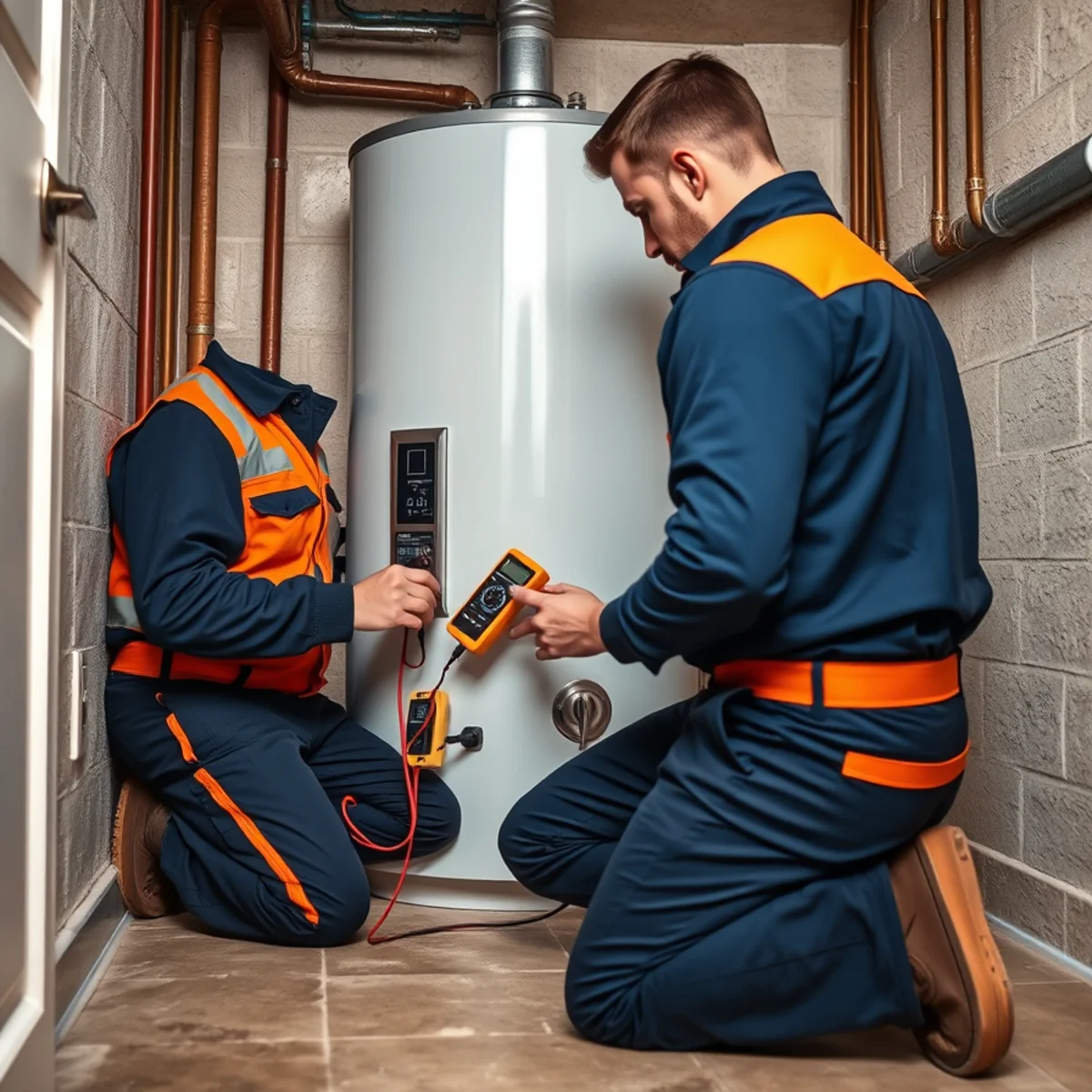
Where the system connects to your plumbing matters. A straightforward tie-in near the main line and a floor drain is quick. A finished basement, a tight crawlspace, or a spot far from a drain means more labor. Older homes sometimes need minor plumbing updates at the connection point too.
Removing and hauling the old unit
If you're replacing a dead or failing softener, disconnecting and hauling off the old one is usually part of the job, and a reputable installer builds that into the quote rather than springing it on you later.
General Price Ranges, With the Usual Caveats
We won't invent a specific Ryan Water Systems price here, because an honest number comes after a test. For context, though, here's roughly where the market tends to land, and every one of these varies with the factors above.
A quality salt-based softener, professionally installed, often runs somewhere in the range of $1,500 to $3,500 depending on capacity and install complexity. Salt-free conditioners frequently fall in a similar band, often $1,000 to $3,000. Add iron or sulfur filtration and the total climbs, since that's additional equipment. A reverse-osmosis drinking-water system is usually a few hundred dollars on top. Treat these as ballpark context, not a quote; your water test and your home decide the real figure. For how plumbing labor is priced around here more broadly, our Indianapolis plumber cost guide covers the same honest-quote principles.
Ongoing Cost: Salt and Upkeep
The purchase price isn't the whole story. A salt-based softener uses salt, which you'll refill periodically. For most households that's a modest, predictable cost, and a correctly sized, metered unit sips salt instead of wasting it. A salt-free conditioner skips salt entirely and just needs its media replaced on a long schedule, so its ongoing cost is lower.
Either way, soft water tends to pay some of itself back: less soap and detergent, appliances that last longer, and a water heater that doesn't scale up and fail early. Our hard water guide for Indianapolis digs into those hidden costs of doing nothing.
DIY Big-Box vs. Professionally Sized and Installed
A softener off a big-box shelf can look cheaper on paper, and for a simple, handy install it's an option. The risk is sizing. Those units come in a few preset capacities, and if you guess wrong on your hardness or household demand, you've bought a system that wastes salt or can't keep up, which costs more over its life than getting it right once.
A professional test-and-size removes the guesswork, the install is done to code, and the equipment is matched to your actual water rather than the nearest shelf size. For a system that runs for a decade or more, that difference adds up.
Get a Price Built on Your Actual Water
The most useful thing you can do is skip the generic estimates and get your water tested. It takes the guesswork out, pins down exactly what your home needs, and turns a vague range into a real, upfront number with no pressure to buy more system than your water calls for.
That's how we've handled water treatment across Indianapolis and the surrounding counties since 2013. If you want a straight answer on what the right softener costs for your home, a free water test and quote is the place to start.
Frequently Asked Questions
Keep exploring
Related Services
Service Areas