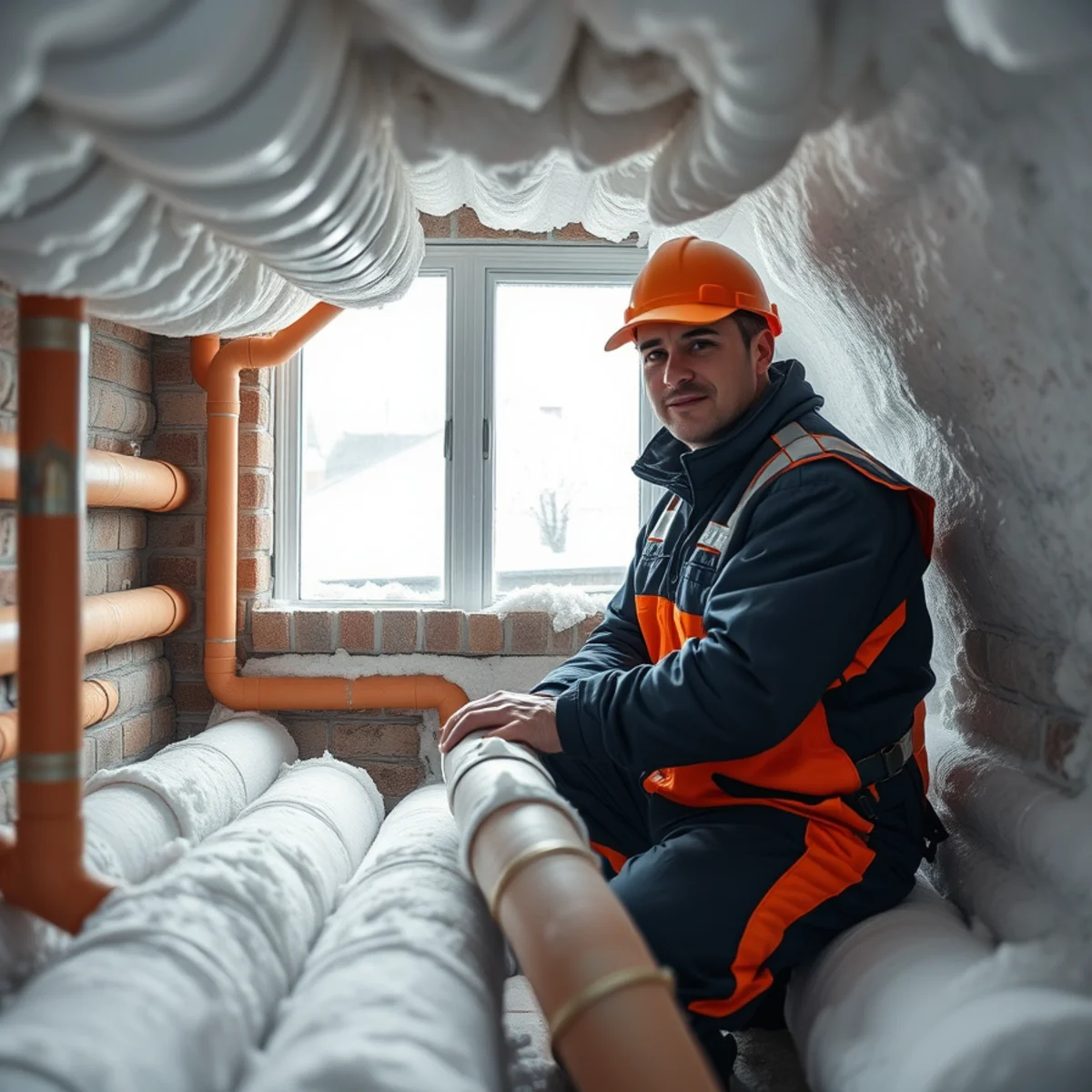
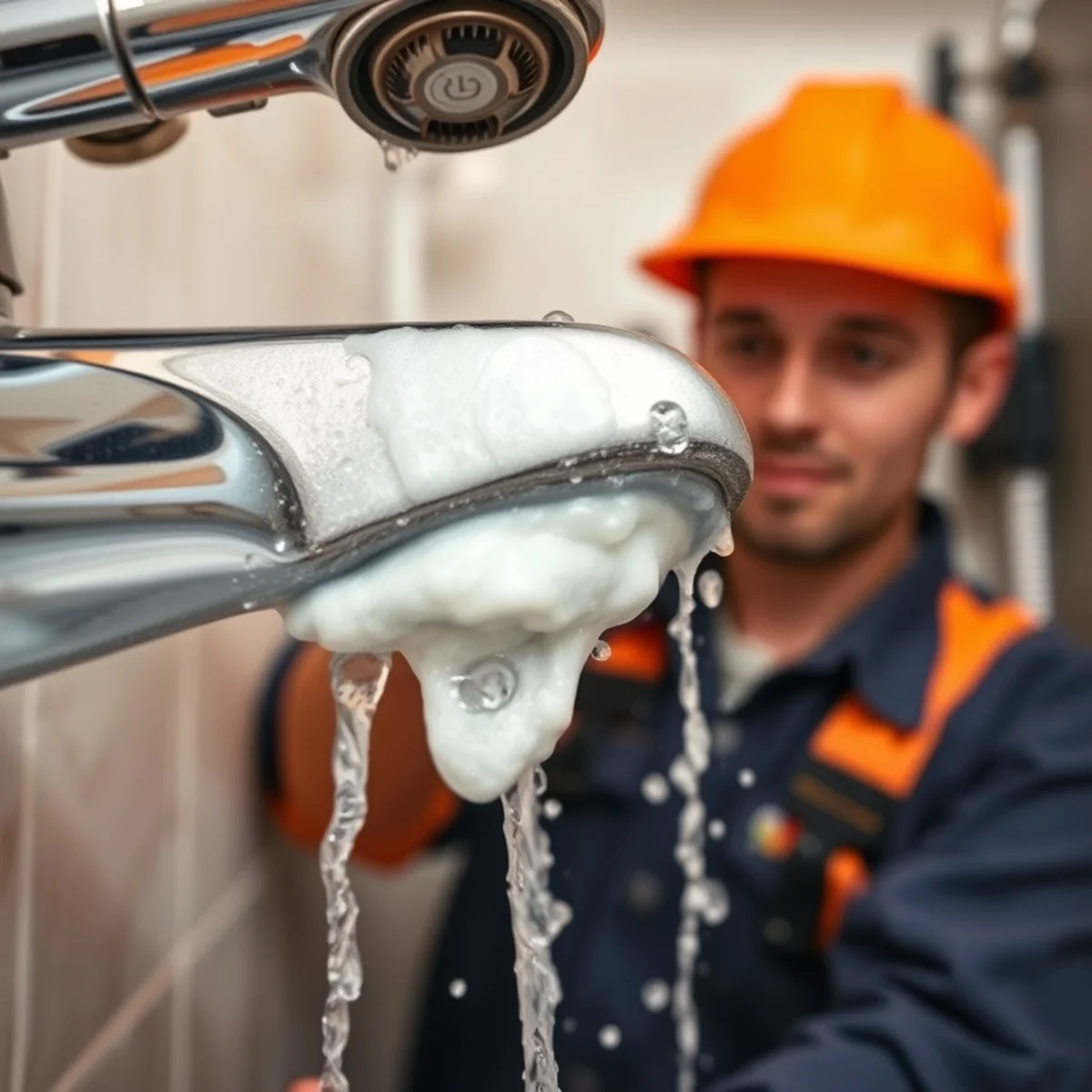
If your drinking glasses come out of the dishwasher cloudy, your shower door is always spotted, and your skin feels dry after every wash, you're not imagining it. You've got hard water — and in the Indianapolis area, that's the rule, not the exception.
Here's what hard water actually is, what it's quietly doing to your home, and the fixes that work.
What Makes Water 'Hard'?
Hard water simply means water with a high mineral content, mostly calcium and magnesium picked up as groundwater moves through Indiana's limestone. It's perfectly safe to drink. The trouble is what those minerals do everywhere they go.
Water hardness is measured in grains per gallon (gpg). Anything above about 7 gpg is considered hard, and much of Central Indiana runs well beyond that. Hamilton County communities like Carmel and Fishers are especially known for it.
What Hard Water Does to Your Home
The damage is slow, which is exactly why it's easy to ignore until something breaks.
It shortens your water heater's life
Minerals settle to the bottom of the tank and bake into a crust of scale. That scale insulates the water from the burner, so your heater works harder, runs up your bill, and wears out years early. It's one of the most common reasons we get called for water heater repair.
It clogs pipes and fixtures
Scale builds up inside pipes, faucets, and shower heads, slowly choking off flow. If your water pressure has dropped over the years, hard water buildup is a leading suspect.
It costs you on soap and appliances
Hard water fights with soap, so you use more of everything — detergent, shampoo, dish soap. It's also rough on dishwashers and washing machines, which is why appliance manufacturers recommend soft water.
How to Test Your Water
You can get a rough read with a hardware-store test strip, but those only tell you part of the story. A professional test measures hardness precisely and also checks for iron, chlorine, and other issues a strip misses.
When we test your water, we size the solution to your actual numbers and your household's water use — not a one-size-fits-all box off a shelf.
The Fix: A Properly Sized Water Softener
The proven solution to hard water is a water softener, which swaps the calcium and magnesium for a tiny amount of sodium before the water ever reaches your pipes. Soft water rinses cleaner, protects your appliances, and can add years to your water heater.
The key word is properly sized. An undersized softener runs constantly and wastes salt; an oversized one costs more than you need. That's the value of having a plumber who installs and services water softeners week in and week out do the math for you.
- Protects your water heater and plumbing from scale
- Cuts soap and detergent use across the house
- Leaves skin, hair, and laundry softer
- Ends spotty glasses and film on shower doors