Hard water doesn't announce itself. It shows up as a collection of small, nagging annoyances, cloudy glasses, skin that never feels quite clean, a water heater that gave out years too soon, that are easy to blame on everything but the water. In the Indianapolis area, where hard water is the norm rather than the exception, those little signs usually add up to one answer.
Here are seven concrete signs your home has a hard-water problem, what's actually causing each one, and what to do about it. If two or three of these sound familiar, it's worth getting your water tested.
7 Signs Your Home Has a Hard-Water Problem
Any one of these on its own might be a fluke. Together, they paint a clear picture of hard water quietly working on your home. Here's what each sign means and why it points back to the minerals in your water.
1. Spotty, filmy dishes and glasses
You run the dishwasher and the glasses come out cloudy, dotted with white spots that wipe off but come right back. Those spots are mineral residue, calcium and magnesium left behind as the water dries. No amount of rinse aid fixes it for long, because the problem is in the water, not the detergent.
2. Soap and shampoo that won't lather, and filmy skin
Hard water fights with soap. If your shampoo barely foams and your skin feels filmy or tight after a shower, the minerals are reacting with the soap instead of letting it lather. You end up using more product and still not feeling fully rinsed, which is a classic hard-water tell.
3. Chalky scale on faucets and showerheads
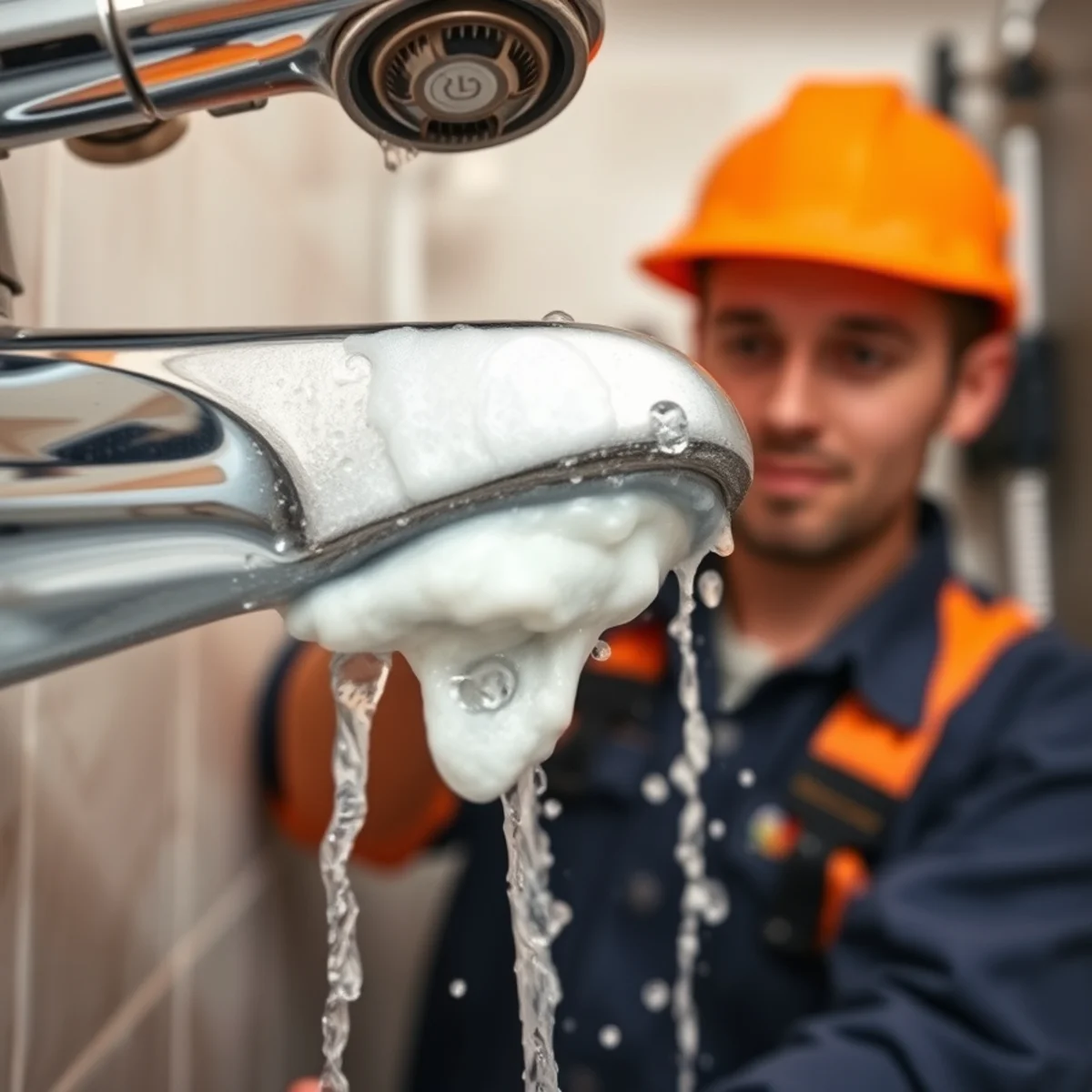
That crusty white buildup around faucet aerators, showerheads, and the base of fixtures is limescale, the same deposit hard water leaves everywhere it dries. Left alone it clogs showerhead nozzles and chokes off flow, which is one reason water pressure seems to fade over the years.
4. Stiff, dingy laundry
If towels come out of the wash stiff and scratchy, and whites turn gray and dingy over time, hard water is a prime suspect. The minerals keep detergent from rinsing out fully and leave deposits in the fabric, so clothes wear out faster and never feel as soft as they should.
5. A water heater that fails early or rumbles
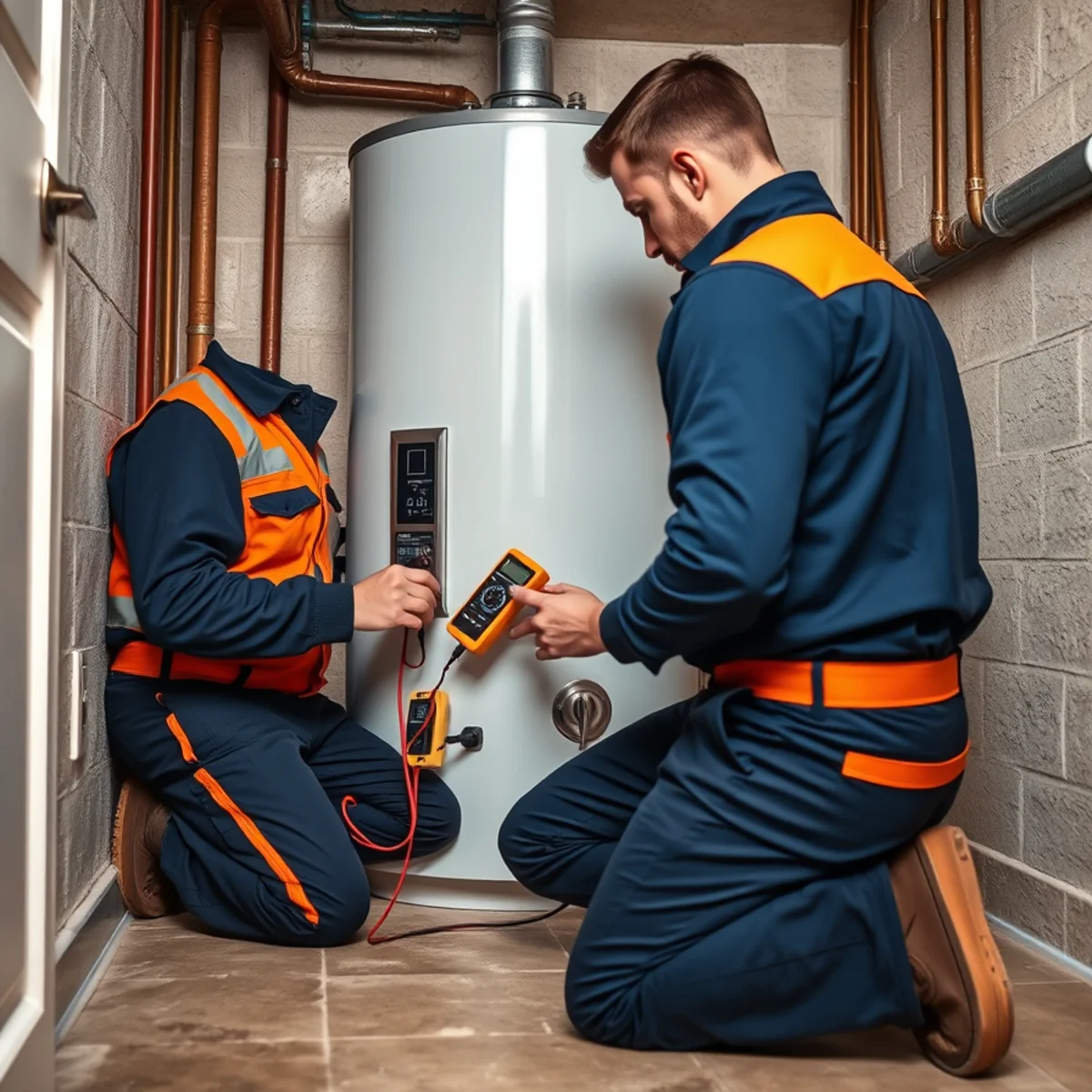
Hard-water scale settles to the bottom of a water heater and bakes into a crust. That's what makes an aging tank pop or rumble as it heats, and it's a leading reason heaters in this area fail years before they should. If you're already replacing one, treating the water first protects the next water heater installation from the same fate.
6. Orange or rust-colored staining
Orange or brown stains in sinks, tubs, and toilets, and sometimes on laundry, point to iron in the water, a frequent companion to hardness on Central Indiana wells. Iron isn't removed by a standard softener alone; it usually calls for dedicated filtration, which is exactly why a test matters before you buy anything.
7. A rotten-egg or sulfur smell
If your hot water smells like rotten eggs, that's hydrogen sulfide, another problem that often rides along with hard well water. Like iron, it needs the right filtration media rather than a softener on its own. A smell like this is a clear sign it's time to find out what's actually in your water.
Why Central Indiana Water Runs So Hard
None of this is bad luck; it's geology. Groundwater across Central Indiana moves through limestone and picks up a heavy load of dissolved calcium and magnesium along the way. The result is water that tests well into the hard range in most of the metro, with Hamilton County communities like Carmel and Fishers known for some of the highest mineral content around. Homes on private wells often see iron or sulfur on top of the hardness. Our full guide to hard water in Indianapolis covers how the local supply gets this way and just how high the numbers run.
How a Water Test Confirms It
Spotting the signs tells you something's wrong; a water test tells you exactly what. A hardware-store strip gives a rough read, but a professional test measures your hardness in grains per gallon and checks for iron, sulfur, and pH, the details that decide not just if you need treatment at all, but which kind of system and what size.
That last part matters: a softener sized to your real numbers runs efficiently for years, while a guess wastes salt or can't keep up. If you're weighing options, our comparison of water softener vs. water conditioner explains which approach suits which situation.
What a Softener Fixes, and What to Do Next
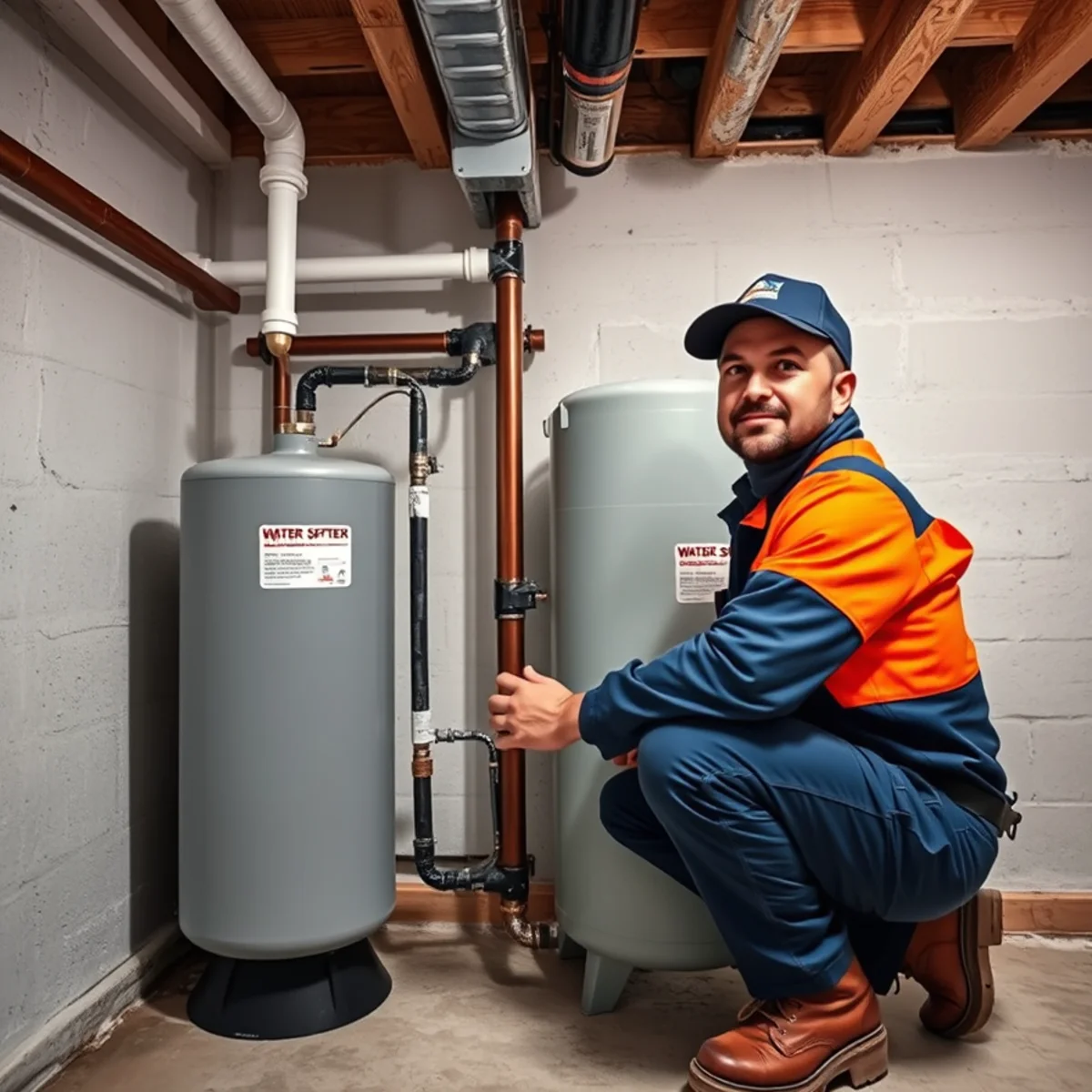
A properly sized water softener addresses the root of almost everything on this list. Pull the calcium and magnesium out before the water reaches your pipes and the spots, the film, the scale, and the stiff laundry go with them, and your water heater and appliances stop paying the hard-water tax. Where iron or sulfur is in the mix, a softener paired with the right filter handles the rest.
Most homeowners tell us they notice the difference within days: easier lather, cleaner dishes, softer towels. If several of these signs sound like your house, the next step is simple. We test your water and size the right system for your home, and we'll tell you honestly if you don't need as much as you expected. A free water test is the fastest way to turn a hunch into an answer.
Frequently Asked Questions
Keep exploring
Related Services
Service Areas