Standing in a cold shower because someone else used all the hot water is enough to make anyone consider a tankless heater. But the choice between tankless and a traditional tank isn't as simple as new versus old. Each has real strengths and real tradeoffs, and the right answer depends on your home, your habits, and your budget.
We install both across Indianapolis, and we're not here to push you toward the pricier option. This is the honest side-by-side we'd give a neighbor, including one factor a lot of guides skip: what our hard Central Indiana water means for tankless upkeep.
How Each One Works
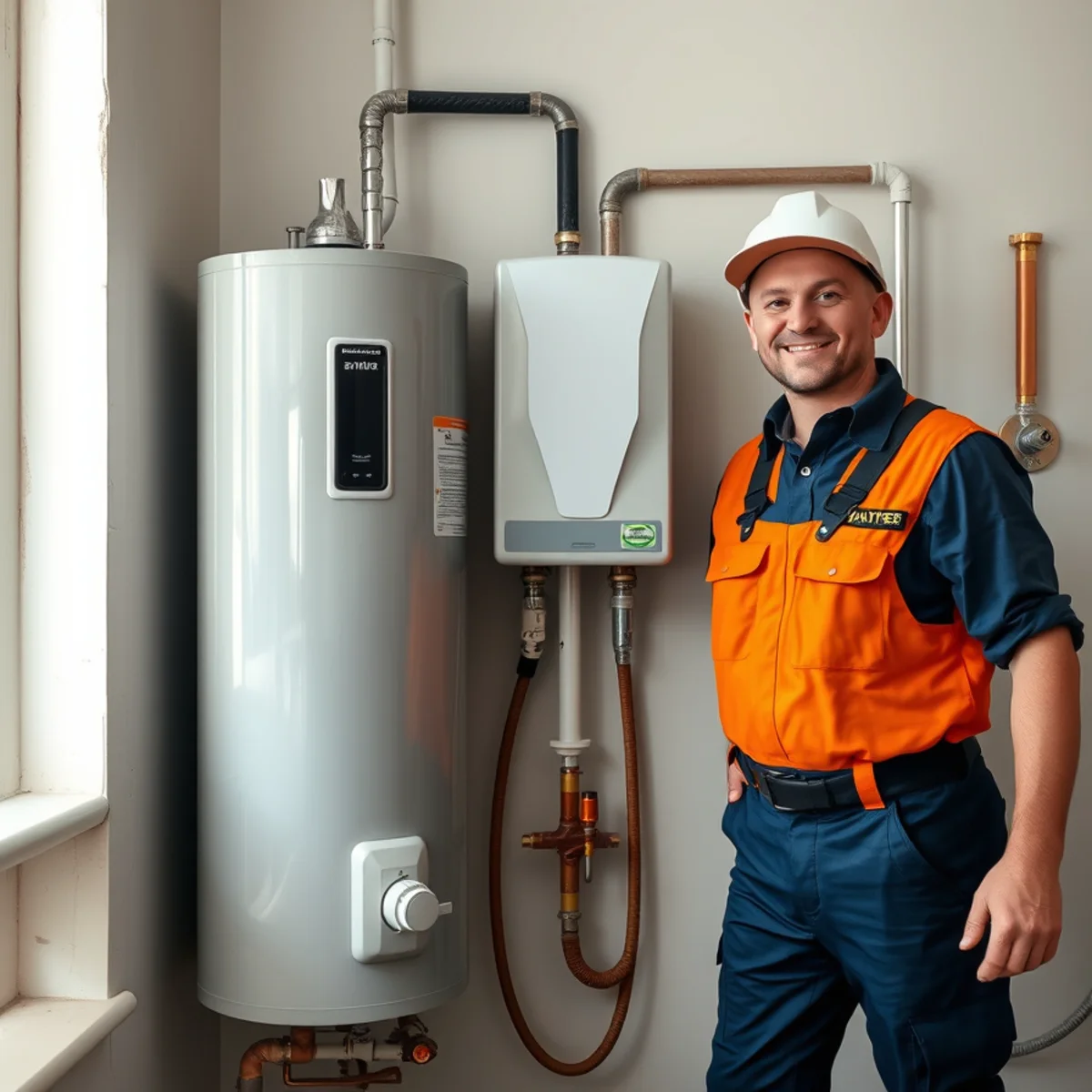
A tank water heater keeps a large reservoir of water hot and ready, usually 40 to 50 gallons, so it's there the moment you turn the tap. When you drain it faster than it can reheat, you run out until it catches up.
A tankless unit heats water on demand. Cold water passes through a heat exchanger and comes out hot only when you call for it, so there's no reservoir to run dry and nothing sitting there losing heat between uses.
Upfront Cost and Installation
This is where tank heaters win. A traditional tank costs less to buy and less to install, especially when you're simply swapping out an old unit for a new one in the same spot.
Tankless units cost more up front, and the installation can be more involved. Going tankless often means a larger gas line, new venting, and sometimes electrical work, because these units draw a lot of energy in short bursts. That's not a reason to avoid tankless, but it's a real part of the price, and it's why a proper water heater installation matters so much with these units.
Lifespan and the Long View
Over enough years, the cost picture shifts. A tank heater typically lasts 8 to 12 years. A well-maintained tankless unit can run 20 years or more, roughly double.
Tankless units are also more energy efficient because they don't reheat a full tank around the clock. For many households, the lower operating cost and longer life help offset the higher upfront price over time. The key phrase is well-maintained, and that leads to the one factor Indianapolis homeowners can't ignore.
Hot Water: Endless vs. Limited
This is the headline reason people go tankless. Because it heats on demand, a properly sized tankless unit delivers hot water for as long as you need it. No more cold shower because the dishwasher and laundry ran first.
The catch with tankless flow
Tankless is endless, but it has a flow-rate limit. A single unit can only heat so much water per minute, so running several hot-water demands at once, like two showers and the dishwasher, can outpace a smaller unit. Sizing the heater to how your household actually uses water is what makes the endless-hot-water promise real.
Where tanks still shine
A tank delivers its full stored volume to several fixtures at once without breaking a sweat, right up until it's empty. For homes with steady, predictable demand, that stored reserve is a simple, dependable setup that's hard to beat on cost.
Space, Venting, and Gas
Tankless units are compact and hang on the wall, freeing up the floor space a bulky tank takes. If you're tight on room, that's a genuine advantage.
But that compact unit has demands behind the wall. Tankless heaters need proper venting and, for gas models, enough gas supply to fire at full power. This is exactly why these installations belong with a plumber who does them regularly. When we quote a tankless water heater, we check that your gas line and venting can support it before anything is ordered.
The Hard-Water Factor Indianapolis Homeowners Can't Skip
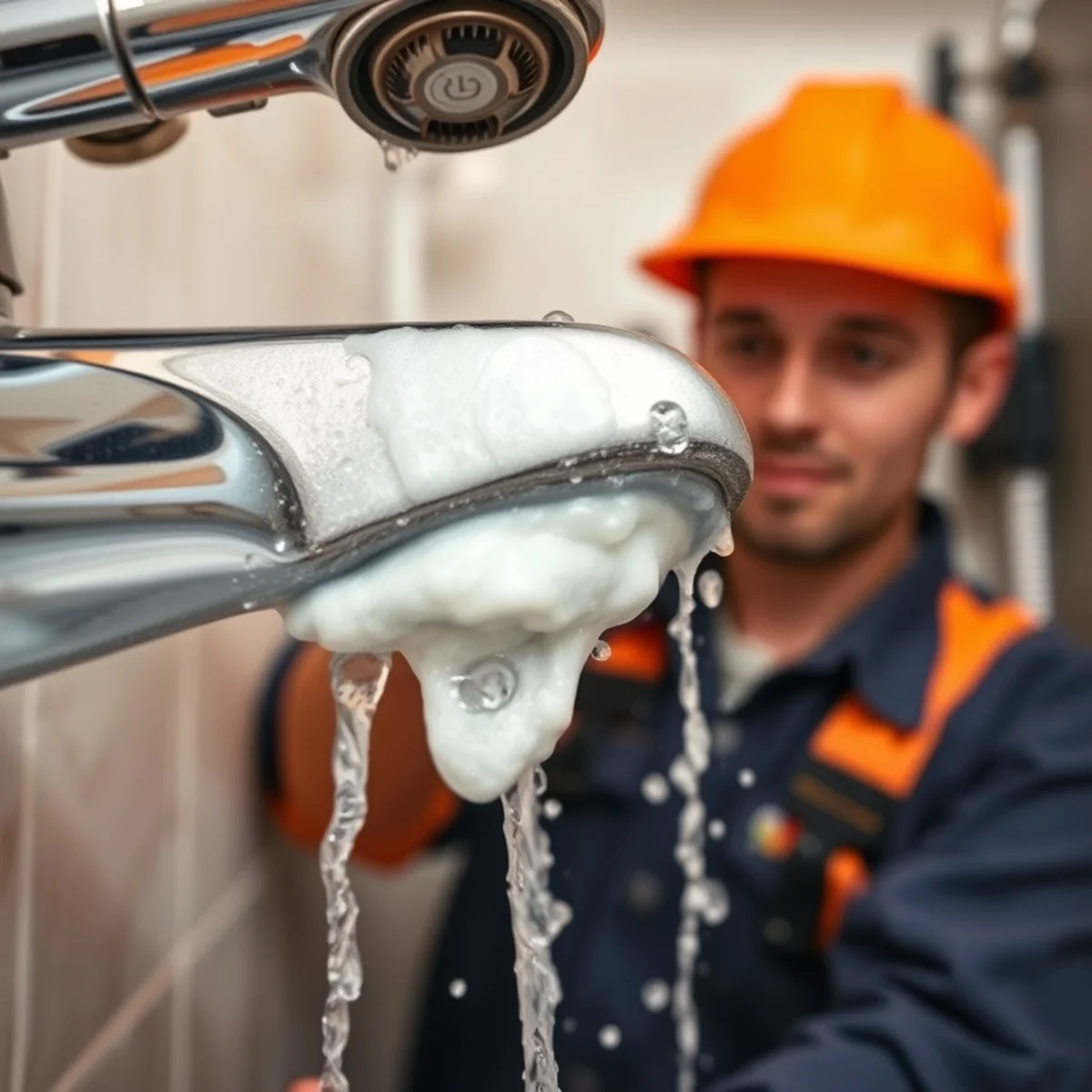
Here's the part many comparisons leave out. Central Indiana has hard water, and hard water is tough on tankless heaters. Minerals build up as scale inside that narrow heat exchanger, and left alone, scale chokes efficiency and can shorten the unit's life.
That's why tankless units need periodic descaling, a flush that clears the mineral buildup out of the exchanger. Skip it, and you undercut the long lifespan that made tankless attractive in the first place. The smart move for most Indianapolis homes is to pair a tankless unit with a water softener. Soft water dramatically slows scale, protects the heater, and cuts down how often it needs servicing.
- Choose a tank for lower upfront cost and simple installs
- Choose tankless for endless hot water, long life, and saved space
- Budget for gas and venting upgrades with a tankless swap
- Size any unit to your household's real hot-water demand
- With hard water, plan on descaling, and consider a softener
Pick the Heater That Fits Your Home
There's no universal winner here. A tank is the practical, budget-friendly choice for plenty of homes, while tankless rewards households that want endless hot water and are ready to maintain it. The right call comes from your usage, your space, and how your home is plumbed, not from a sales pitch.
We help homeowners across Indianapolis and communities like Carmel weigh these options honestly. If you're due for a new water heater and want a straight recommendation sized to your home, reach out and we'll walk you through it.
Frequently Asked Questions
Keep exploring
Service Areas