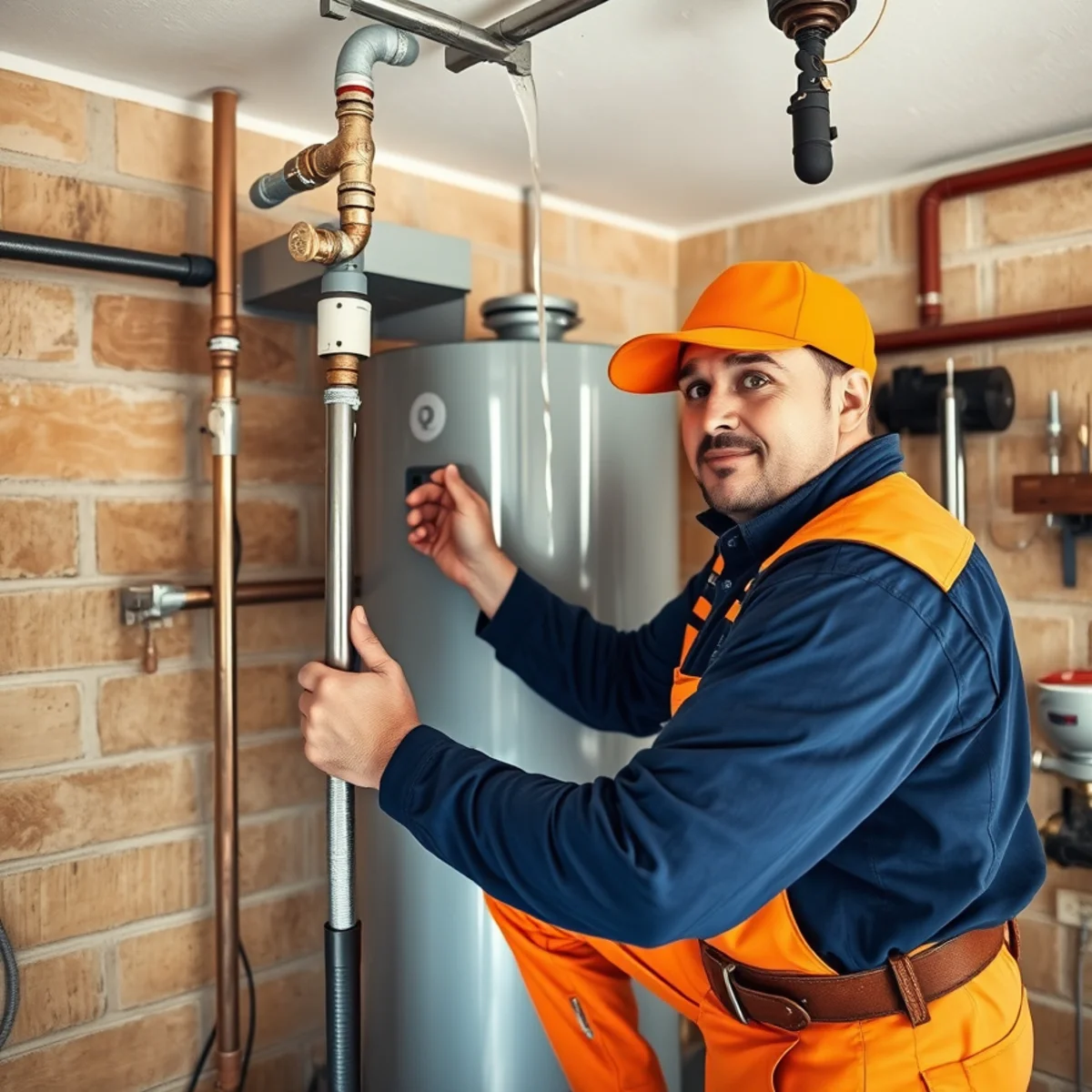
A failing water heater forces a fast decision, and the first question is almost always the same: what is this going to cost to replace? The honest answer is that replacement pricing isn't one number. It moves with the type of unit, the size, the fuel, and what your current setup needs to come up to code.
We've replaced water heaters across Central Indiana since 2013, and we quote every job before the first fitting comes off. This guide walks through the real factors behind water heater replacement cost in Indianapolis, so you can read a quote with confidence instead of guessing, and points you toward a free, no-pressure estimate for your specific home.
What Actually Drives Water Heater Replacement Cost
Two homes can call about the same symptom — no hot water — and get very different numbers once we see the unit in person. A straight swap of a like-for-like tank in an open basement is one job. Moving a heater, changing its fuel, or correcting an older installation that no longer meets code is another. Here's what moves the price.
Type, capacity, and fuel
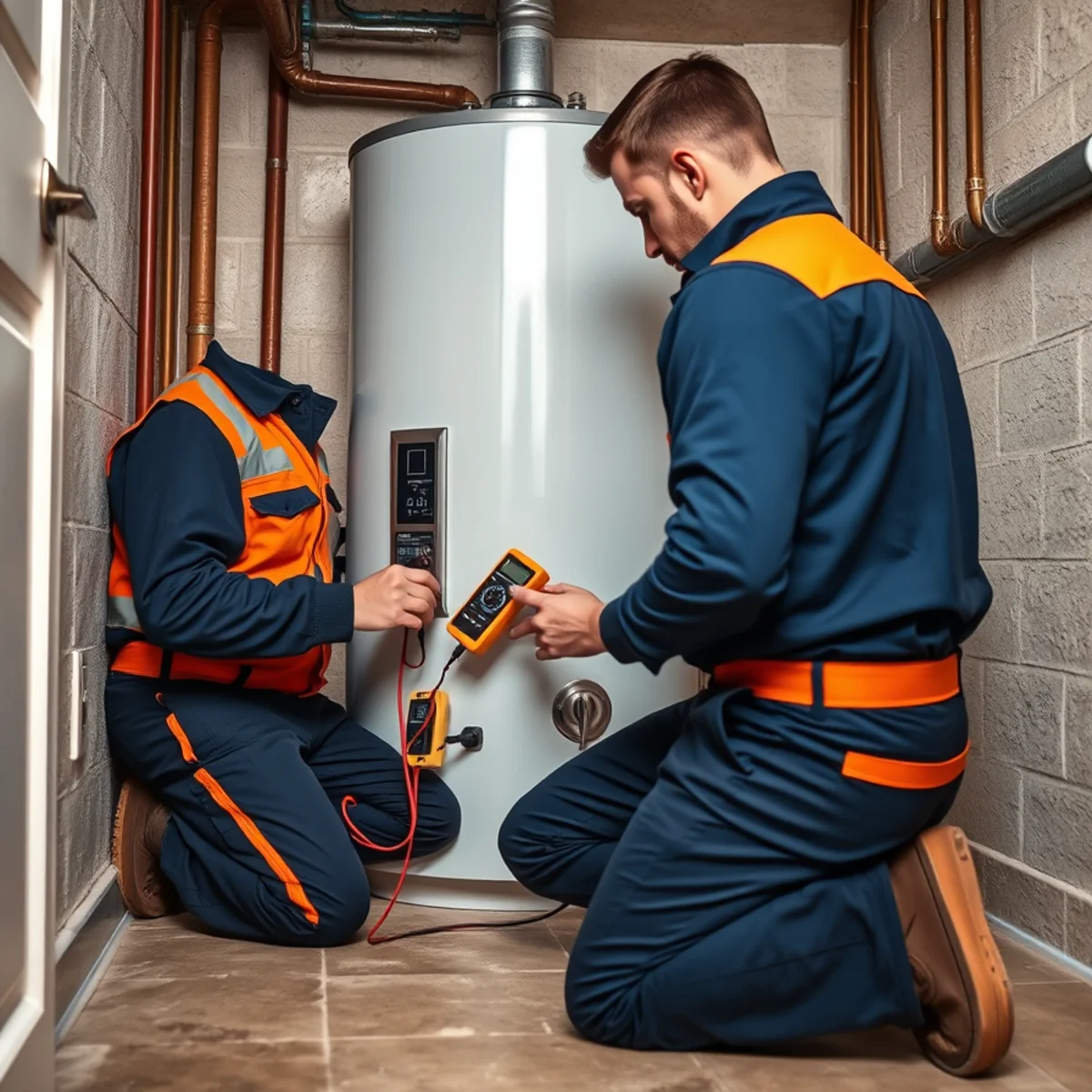
The unit itself is the starting point. A 40-, 50-, or 75-gallon tank aren't priced the same, and a bigger household that needs more first-hour capacity pays for the larger unit. Gas and electric differ too: gas models recover faster but need proper venting and a gas supply, while electric units are simpler to place but depend on your circuit. A tankless system sits at the top of the range up front. We size the unit to how your household actually uses hot water during its busiest hour, not to a generic square-footage guess.
Venting and code upgrades
Older installations are where surprises hide. A new heater has to meet current code, which can mean updated venting, a code-compliant temperature-and-pressure relief valve, a drain pan, or an expansion tank the old setup never had. An expansion tank is often required on a closed system to absorb the pressure a heater builds as it warms, and it's a small part that protects the whole install. None of these are padding — they're the difference between a replacement that passes inspection and one that doesn't.
Permit, inspection, and disposal
A water heater is a gas or electrical appliance holding forty-plus gallons of water under pressure, so the work should be permitted and inspected. Permit fees and the time to schedule an inspection are a real part of certain projects, and we build them into the quote rather than leaving them off to look cheaper. Hauling away and properly disposing of your old heater is part of the job too, not a separate surprise at the end.
Location, access, and surrounding components
Where the heater lives matters. A unit in an open basement is quick to reach. One crammed into a tight hallway closet, tucked up in an attic, or down a crawlspace takes more labor to remove and set. And if hard-water scale has corroded the shutoff, valves, or connections around the old heater, those components may need replacing while we're in there — better to handle it during the install than to chase a leak later.
Tank vs. Tankless: Paying Now or Paying Over Time
The single biggest swing in replacement cost is tank versus tankless. A standard tank is less expensive to install and simple to service — a solid choice for a lot of Indianapolis homes. The tradeoffs are footprint and standby loss: it keeps 40 to 75 gallons hot around the clock, and it can run dry during a heavy morning.
A tankless water heater costs more up front, sometimes meaningfully more, because the install is more involved — a gas-fired unit often needs its gas line upsized and new venting to fire safely. What you get in return is endless hot water, a wall-mounted unit that frees up floor space, lower standby energy use, and a longer service life. Over the years it's in service, that longer lifespan and lower energy draw change the math. Our tankless vs. tank comparison lays the two side by side so you can see where each one wins.
Why Soft Water Protects the Money You Just Spent
Here's the part a lot of replacement quotes skip. Central Indiana's water runs hard, and a brand-new heater installed on untreated water starts aging faster than it should from day one. Dissolved calcium and magnesium settle inside a tank as scale, insulating the burner so the unit works harder, heats slower, and wears out years early. Scale is the number one reason tanks fail early here, often well before a decade is up.
That's why we bring up treatment with every replacement. A water softener keeps a new tank cleaner, helps it heat efficiently, and protects the investment you just made — and it matters even more for a tankless unit, which scales shut fast without it. Treating the supply is the single best thing you can do to make a new heater reach its full lifespan, whichever type you choose.
Should You Replace, or Is a Repair Smarter?
Replacement only makes sense when the old unit is genuinely done. Age is the biggest tell: a tank under about eight or nine years old with a repairable part is usually worth fixing, while one past a decade that's leaking from the tank body and starting to rust is telling you its time is up. A leak from the tank itself means internal corrosion, and no repair holds that.
If you're not sure which side of that line your heater falls on, our guide to how long water heaters last covers the end-of-life signs in detail, and our take on repair vs. replace walks through the same math we use. When the numbers point to replacement, a clean water heater installation sized right for your home is money well spent instead of money poured into a dying tank.
Getting a Straight Replacement Quote in Central Indiana
General market ranges can give you a rough sense — a basic tank replacement often runs toward the lower end, a larger or higher-efficiency tank lands in the middle, and a tankless conversion typically sits at the top because of the added gas and venting work. Treat those as context only. Your real number depends on the unit, your home's existing setup, and what code requires, which is why an honest quote comes after someone has actually seen the install.
We quote the full job before we start — the unit, the labor, the permit, and hauling the old heater away — all spelled out, with no hidden line items waiting at the end. We replace water heaters across Indianapolis and communities like Franklin and Westfield, and we'll give you a straight answer on cost before anything comes off the wall.
Frequently Asked Questions
Keep exploring
Related Services
Service Areas