A weak trickle from the shower, a washing machine that takes forever to fill, a garden hose that barely reaches the flower beds — low water pressure turns everyday tasks into a waiting game. The good news is that most pressure problems trace back to a short list of fixable causes, and you can narrow it down before anyone touches a wrench.
The first job is figuring out whether the whole house is affected or just one fixture. That single question sends the investigation down two very different paths. Here's how a plumber thinks it through, and what each cause means for the fix.
One Fixture, or the Whole House?
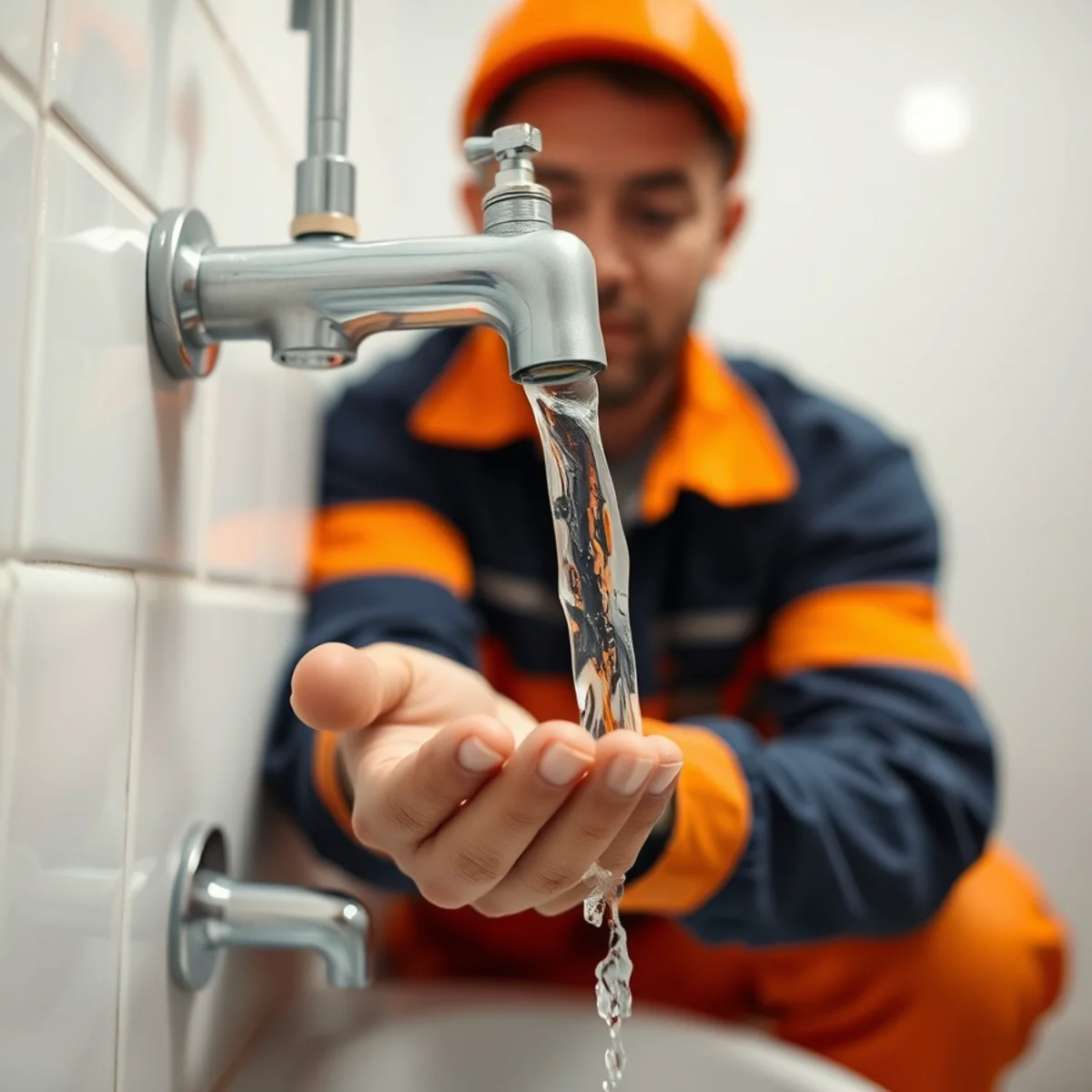
Before you blame the city or your pipes, run a quick test. Turn on the cold water at a few different fixtures — a bathroom sink, the kitchen faucet, the shower, an outside spigot. If only one spot is weak, the problem is almost always local to that fixture. If everything runs soft, you're looking at something upstream that affects the whole system.
Write down what you find. A single slow faucet points to a clogged aerator or a bad supply line. Low pressure everywhere points to a valve, the main line, or the water coming in from the street. That one distinction saves you from replacing parts that were never the problem.
- One fixture weak: clean or replace the aerator, cartridge, or supply valve
- Hot water only weak: sediment in the water heater or a clogged hot line
- Whole house weak: pressure-reducing valve, main shutoff, corroded pipes, a hidden leak, or the city supply
Clogged Aerators and Showerheads
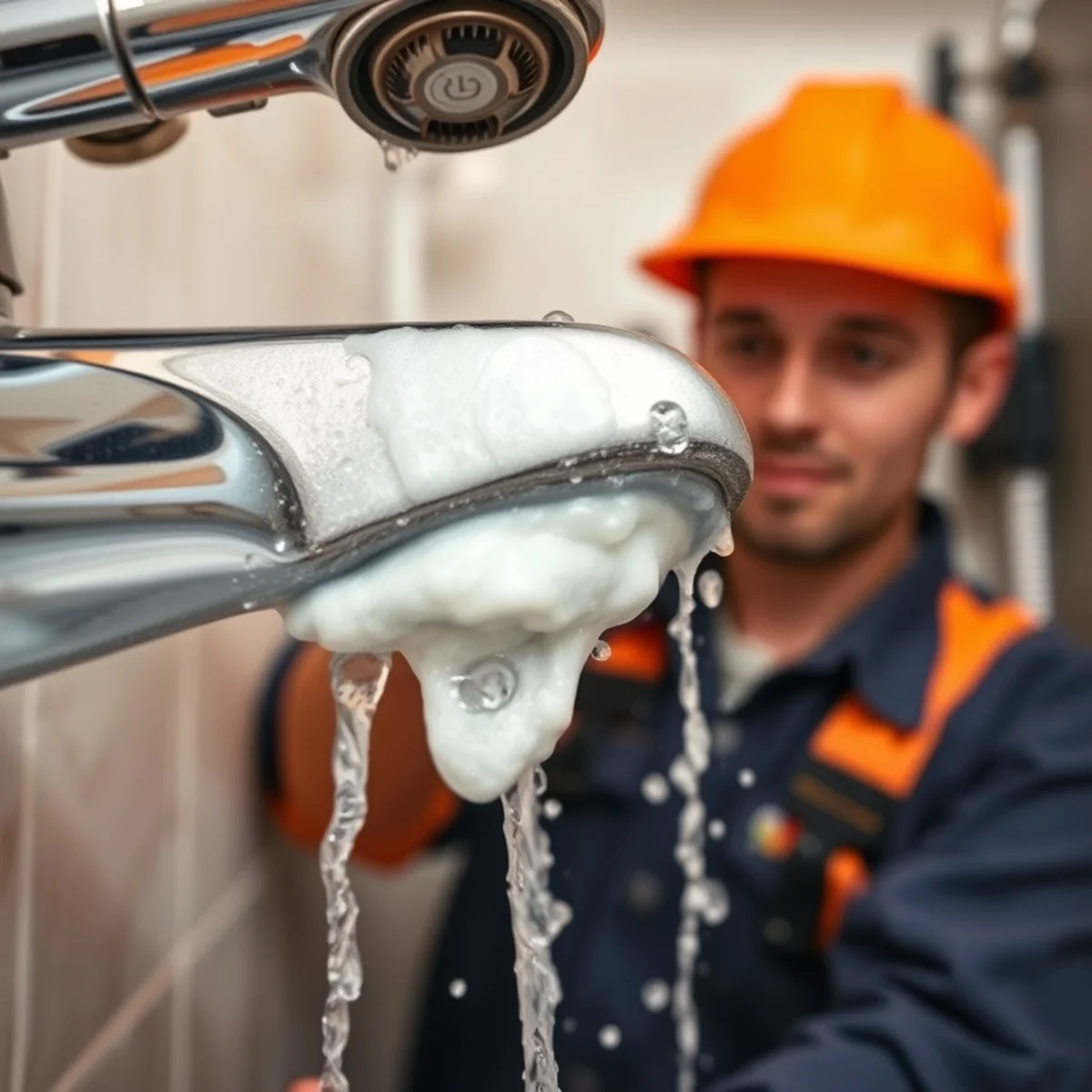
In the Indianapolis area, hard water is the number-one reason a single fixture loses pressure. Our water carries a heavy load of calcium and magnesium, and those minerals crust up as scale inside aerators and showerhead nozzles. What looks like a pressure problem is often a clog you can clear in ten minutes.
Clean the aerator
Unscrew the little screen at the tip of the faucet, soak it in white vinegar for a few hours to dissolve the scale, scrub it with an old toothbrush, and rinse. If it's corroded beyond saving, a replacement costs a couple of dollars at any hardware store.
Soak the showerhead
Fill a bag with vinegar, tie it over the showerhead so the nozzles are submerged, and leave it overnight. Run hot water afterward to flush out the loosened scale. If flow barely improves, the showerhead itself may be too clogged to save.
The long-term fix
If you're cleaning fixtures every few months, the scale will just keep coming back. A whole-house water softener stops the buildup at the source and protects every faucet, valve, and appliance in the house.
A Failing Pressure-Reducing Valve
Most homes on city water have a pressure-reducing valve, or PRV, where the main line enters — usually a bell-shaped brass fitting near the main shutoff. It knocks the street's high pressure down to a safe level for your home, typically in the 50 to 60 psi range. When a PRV wears out, it can choke pressure down to a trickle or, worse, fail open and let dangerously high pressure through.
If your whole house lost pressure gradually or all at once, and nothing else explains it, a failing PRV is a prime suspect. These parts have a lifespan, and after a decade or more they start to stick. Adjusting or replacing a PRV is straightforward for a plumber but means working on the main line under pressure, which is why most homeowners leave it to a pro.
A Partially Closed Shutoff or Main Valve
This one is common and completely free to fix. Every home has a main shutoff valve, and if anyone recently worked on the plumbing — you, a contractor, a home inspector — the valve may not have been reopened all the way. A gate valve turned three-quarters closed will strangle flow to the entire house.
Find your main shutoff, often in the basement, crawlspace, or near the water meter, and make sure it's fully open. For a round handle, turn it counterclockwise until it stops. For a lever, it should sit parallel to the pipe. If only certain fixtures are weak, check the smaller shutoff valves under those sinks and behind the toilets too.
Corroded Galvanized Pipes
Plenty of older Indianapolis homes — especially in historic neighborhoods like Meridian-Kessler — were plumbed with galvanized steel. Over decades, the zinc coating breaks down and the inside of the pipe rusts and narrows, sometimes down to a pinhole opening. No amount of cleaning fixtures will fix pressure that's being choked off inside the walls.
The tell-tale signs are pressure that has slowly declined over years, brownish water when you first turn on a tap, and worse flow the farther you get from where the water enters. When galvanized pipe reaches this stage, the real solution is repiping with modern copper or PEX, which restores full flow and won't rust from the inside out.
Hidden Leaks
A leak somewhere in the system bleeds off pressure before the water ever reaches your faucets. If your pressure dropped alongside a mysteriously high water bill, the sound of running water when everything's off, or damp spots on floors and walls, a hidden leak moves to the top of the list.
Leaks inside walls, under slabs, or in an underground service line are hard to pin down without the right gear. Our team uses professional leak detection — acoustic listening equipment and pressure testing — to find the exact spot without tearing your house apart guessing.
When It's the City's Water
Sometimes the problem isn't yours at all. Water-main breaks, hydrant flushing, and periods of high neighborhood demand can all drop pressure temporarily. If your neighbors notice the same thing at the same time, or it clears up on its own within a day, the utility is the likely cause.
If low pressure sticks around after you've cleaned your fixtures and checked your main valve, it's time to look deeper. We'll test your pressure, trace the cause, and give you an honest, upfront quote before we start — no guessing, no surprises. Reach out and we'll get your water flowing the way it should.