Your sewer line is the one part of your plumbing you never think about, right up until it fails. And when a main line backs up, it fails in the worst way, sending waste back into the lowest drains in your home. It's messy, it's costly, and it almost always could have been caught earlier.
The good news is that sewer lines respond well to a little attention. A few smart habits and one well-timed inspection can head off the kind of backup that ruins a weekend. Here's how to take care of the line that takes care of your whole house.
What Should Never Go Down the Drain
Most sewer trouble starts inside the house, with things that should never have gone down a drain in the first place. Your sewer line is built for water, waste, and toilet paper, and not much else.
- So-called flushable wipes. They don't break down and are a leading cause of clogs.
- Grease, fats, and cooking oil. They pour in as liquid, then cool and harden into a blockage.
- Paper towels, feminine products, and cotton products. None of them dissolve like toilet paper.
- Coffee grounds and eggshells, which collect and build up over time.
- Harsh chemicals in large amounts, which can damage older pipes.
The Case for a Camera Inspection
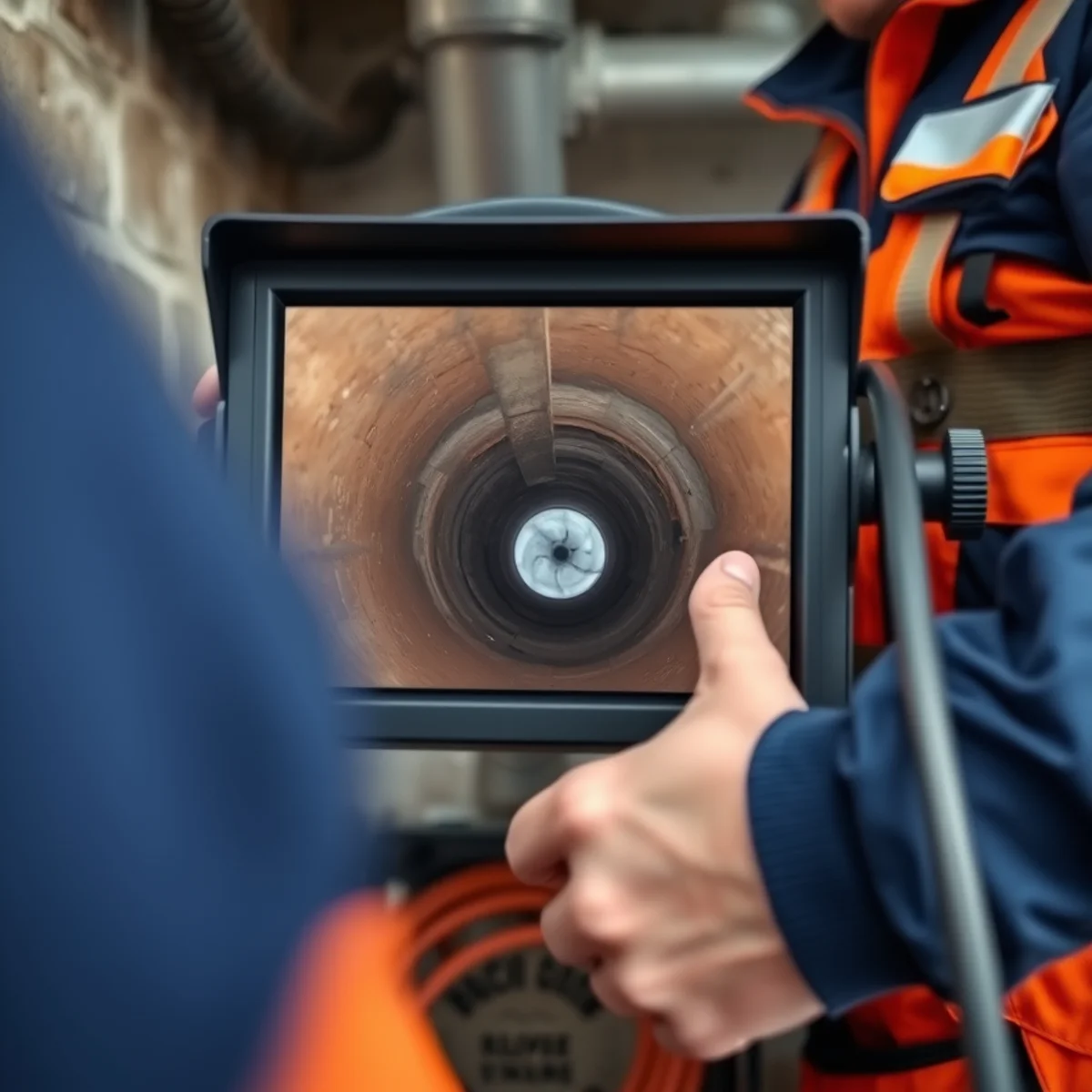
You can't fix what you can't see, and for most of its life your sewer line is completely hidden. A camera inspection changes that. A plumber runs a small waterproof camera down the line and watches a live view of the pipe's actual condition, from root intrusion to cracks to early buildup.
It's the single most useful thing you can do for a sewer line you're unsure about. A periodic inspection catches small problems while they're still cheap to address, long before they become a backup. It's also smart before buying an older home, so you know what you're getting. If an inspection turns up damage, it lets us plan a precise sewer line repair instead of guessing.
Tree Roots: The Silent Sewer Killer
Tree roots are drawn to the water and nutrients inside a sewer line, and they'll find their way in through the smallest crack or loose joint. Once inside, they grow into a mesh that catches everything flowing past, and given time, they can crush a pipe outright.
Older neighborhoods with mature trees are especially prone to this. If you have large trees anywhere near your sewer path, root intrusion isn't a maybe, it's a matter of when. A camera inspection is the best way to spot roots early, while they can still be cleared before they do structural damage.
Enzyme vs. Chemical Cleaners
There's a real difference between the products people pour down their drains, and it matters for the health of your line.
Why we steer clear of harsh chemical cleaners
Chemical drain cleaners rely on aggressive reactions to eat through a clog. They generate heat, they're rough on older pipes and joints, and they rarely clear the full blockage. They're a short-term patch that can create a longer-term problem, especially in an aging line.
Enzyme cleaners for routine upkeep
Enzyme-based cleaners work differently. They use natural bacteria to slowly break down organic buildup like grease and waste, and they're gentle on your pipes. They won't blast through a solid clog, but used regularly they help keep a healthy line flowing. For an actual blockage, professional drain cleaning clears the line properly without the risks of harsh chemicals.
Early Warning Signs of Sewer Trouble
Your sewer line usually warns you before it fails completely. The trick is knowing what the warnings sound and smell like, because a single slow drain is a local clog, but these signs point to the main line.
- Several drains slow or back up at once, which points to the main line, not one fixture
- Gurgling sounds from drains or toilets when you run water elsewhere
- A sewer or rotten-egg smell around drains or in the yard
- Water backing up in a lower drain when you run the washing machine or flush
- Soggy or unusually green patches in the yard along the sewer path
Why Older Indy Homes Need Extra Attention
Indianapolis has beautiful older neighborhoods, and beautiful old sewer lines to match. Homes in areas like Irvington and Broad Ripple often have decades-old lines made of clay or other aging materials, surrounded by the mature trees those neighborhoods are known for. That's a combination that rewards being proactive.
If your home is older, don't wait for a backup to learn the state of your line. A camera inspection gives you a clear picture and a plan, so you're making decisions on your schedule instead of on an emergency's. Reach out and we can help you get ahead of it, long before it becomes a mess in your basement.
Frequently Asked Questions
Keep exploring
Related Services