Pipes are easy to ignore because they're out of sight — right up until rusty water pours from the tap or a pinhole leak soaks the ceiling. In older Indianapolis homes, the plumbing hidden in the walls is often the original galvanized steel, and that material has a shelf life that many of our historic houses have long since passed.
Repiping sounds drastic, but it's often cheaper and less stressful than patching failure after failure. Here are seven signs your home is telling you the pipes have reached the end of the road — and what a repipe actually involves.
The 7 Signs Your Pipes Are Failing
Pipes don't usually fail all at once. They give you warnings over months and years. If you're seeing several of these at the same time, especially in a home built before 1970, your plumbing is telling you it's near the end:
- Rusty, brown, or yellow-tinged water, especially first thing in the morning
- Water pressure that has slowly declined for years
- Pinhole leaks that keep popping up in different spots
- Galvanized steel supply pipes, common in pre-1970 Indy homes
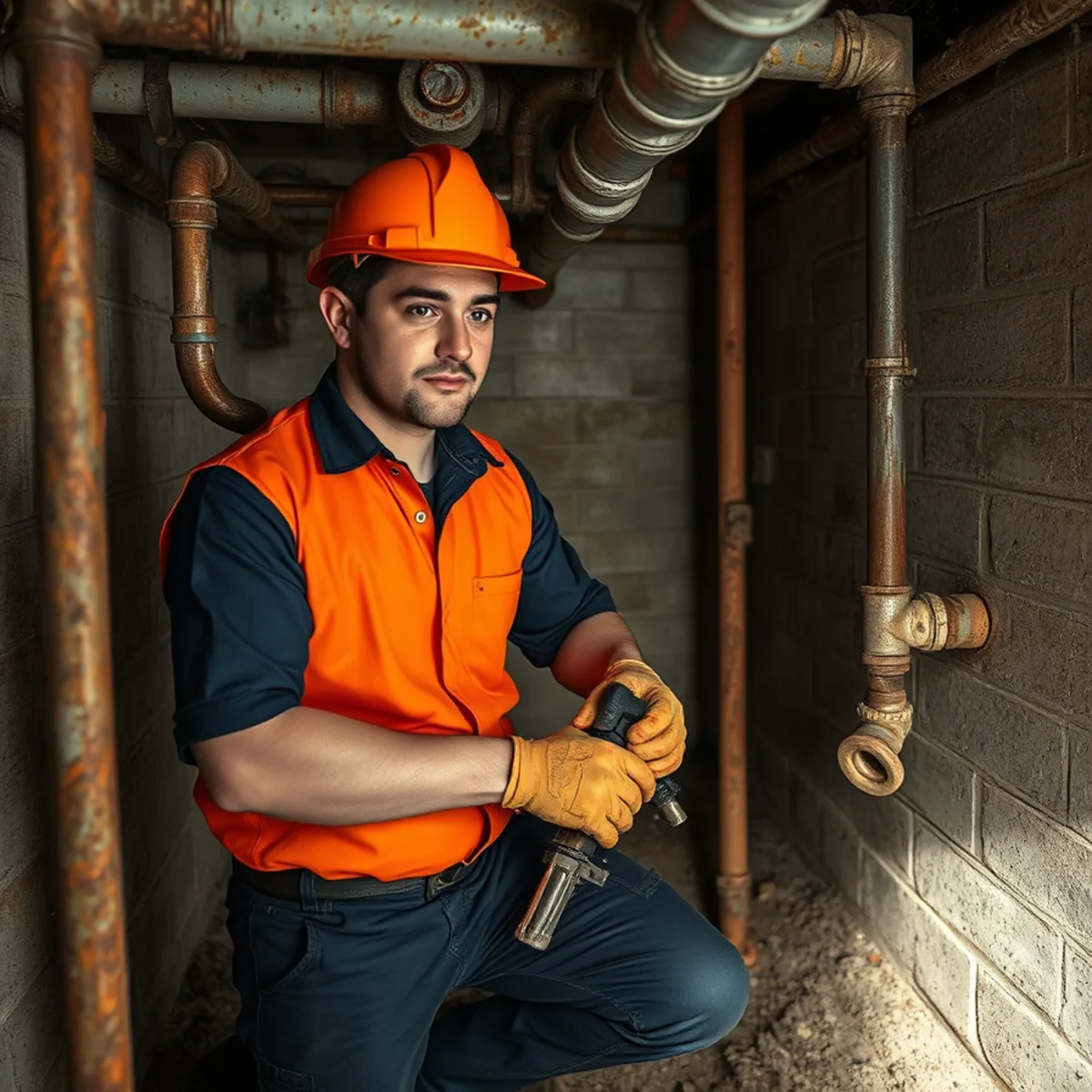
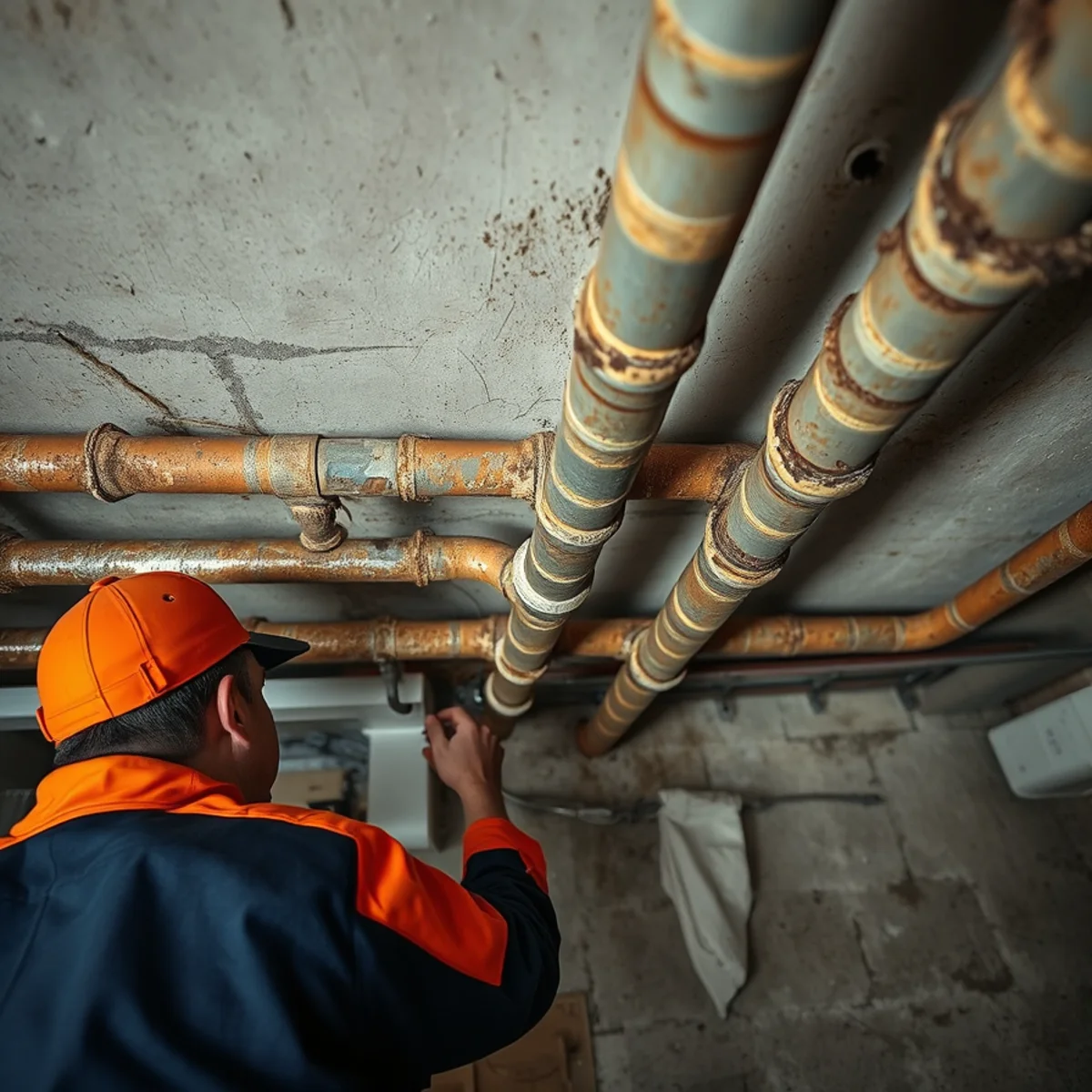
- Visible corrosion, flaking, or rust stains on exposed pipe
- A metallic or off taste to your tap water
- The same plumbing problems returning no matter how often you patch them
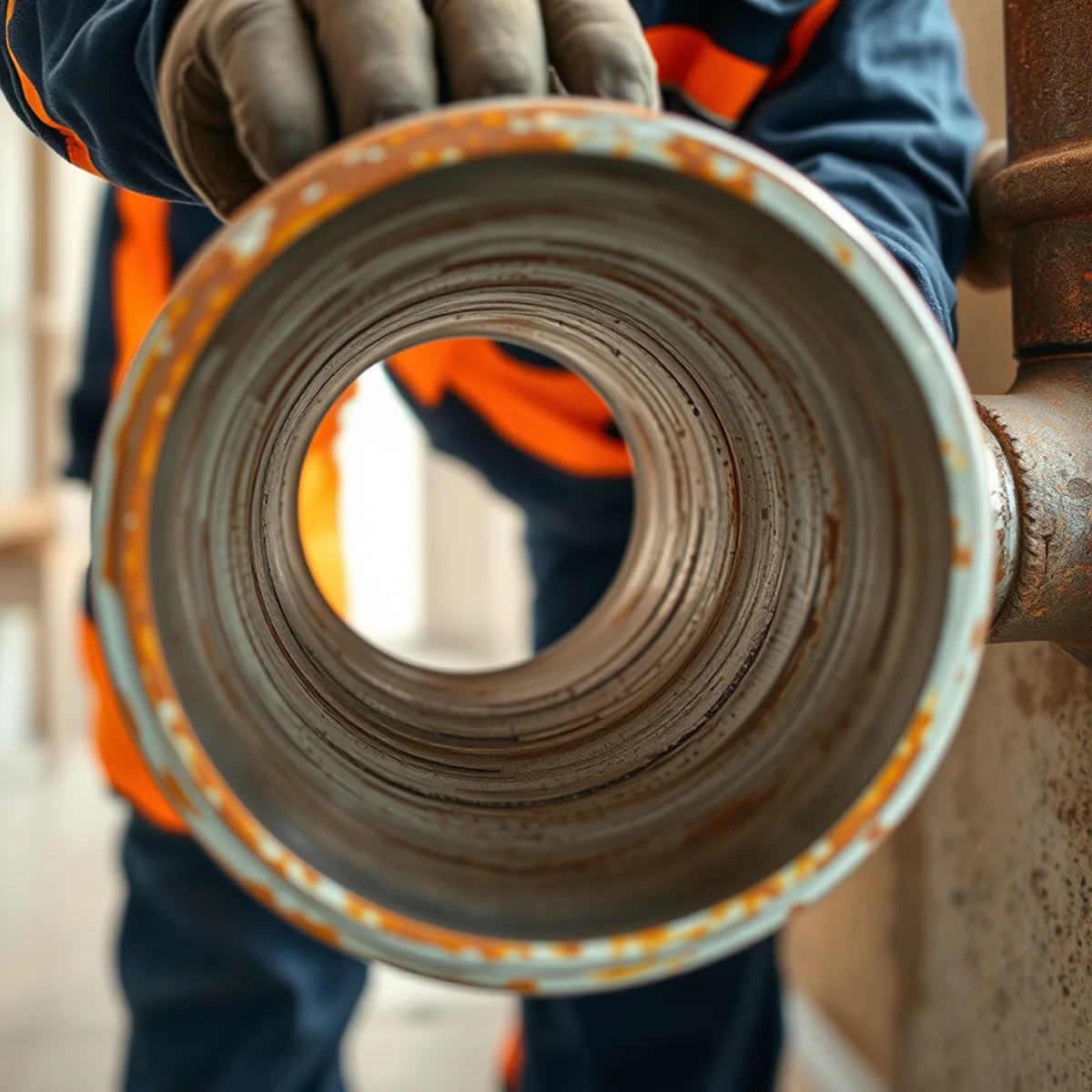
Why Galvanized Steel Is the Root of the Problem
Homes built in Indianapolis before about 1970 were routinely plumbed with galvanized steel — steel pipe coated in zinc to fight corrosion. It was a good material for its time, with an expected life of 40 to 50 years. Do the math on a house built in the 1950s or '60s and it's clear why so many of these pipes are failing now.
As the zinc coating wears away, the steel underneath rusts from the inside out. The pipe's inner walls corrode, narrow, and shed rust into your water. This one process is behind almost every sign on the list — and it's why historic neighborhoods like Meridian-Kessler and Irvington see repiping needs more than newer subdivisions do. Our hard water only speeds the decay, scaling and corroding pipes faster.
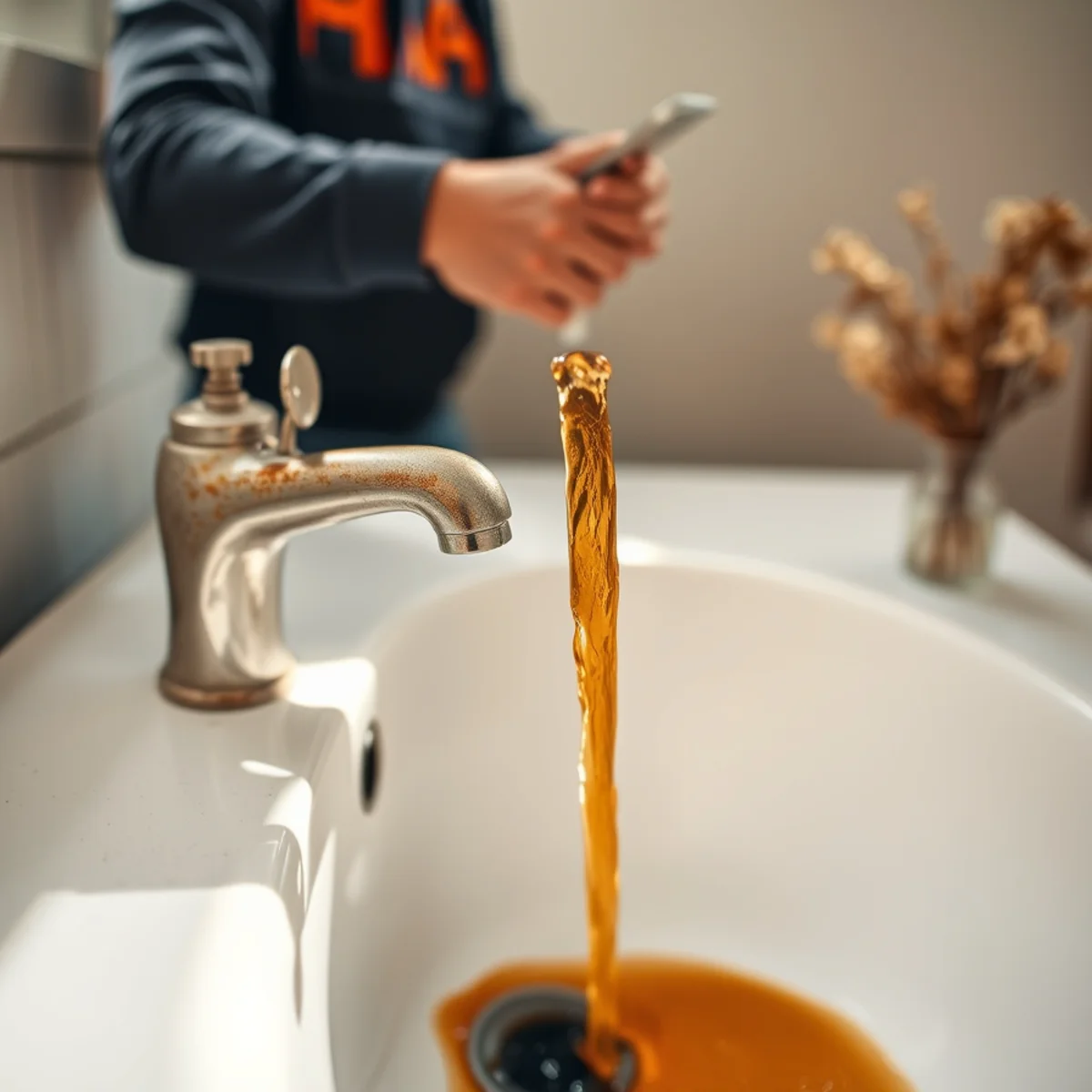
Rusty Water, Bad Taste, and Discoloration
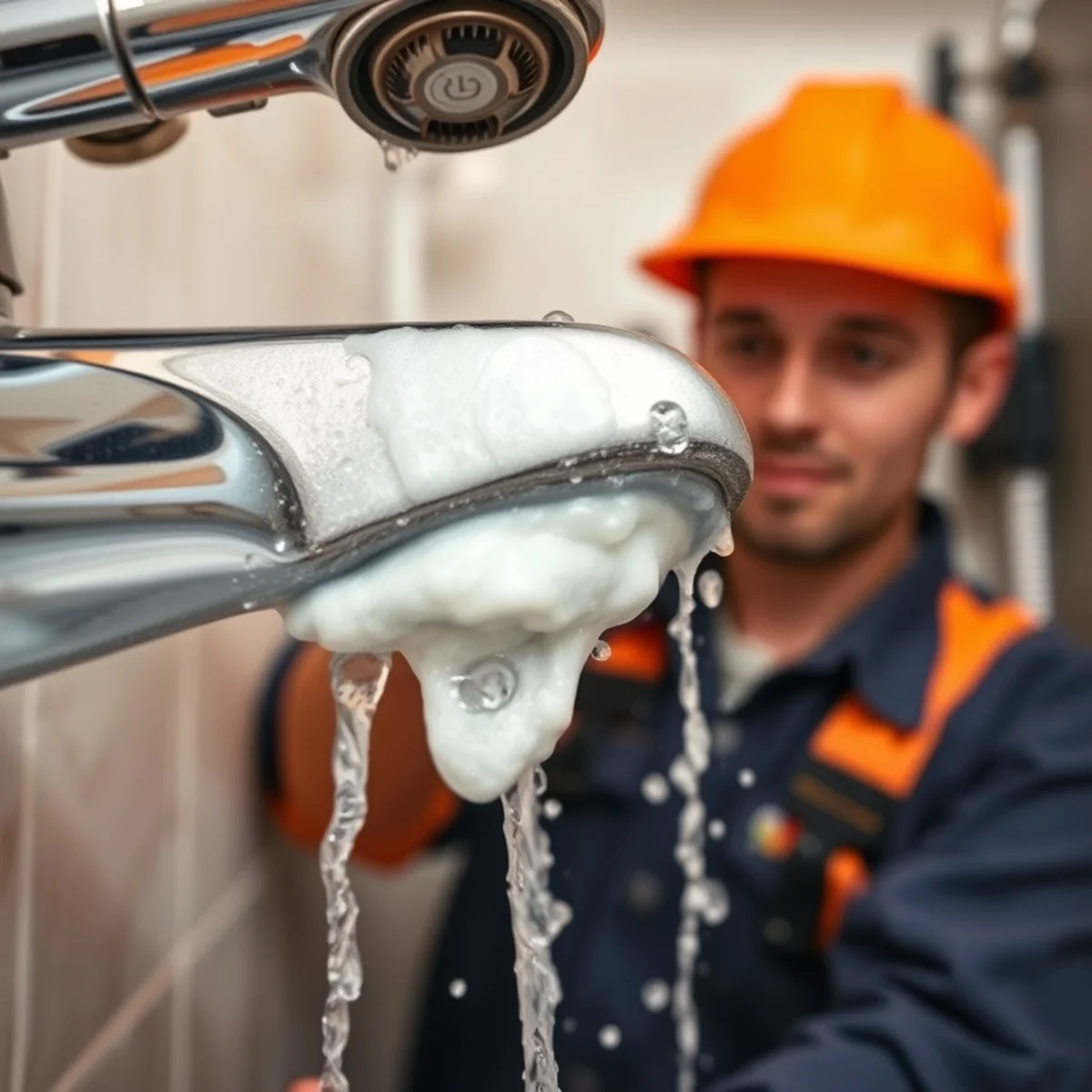
When you turn on a tap that hasn't run overnight and the first water out is brown, yellow, or tinted, that color is rust shedding from the inside of corroding pipes. If it clears after running for a minute, the corrosion is in your home's pipes rather than the city main.
That same corrosion gives water a metallic or unpleasant taste and can stain sinks, tubs, and laundry. It's not just unappealing — it's physical evidence that the inside of your pipes is deteriorating. No filter fixes failing pipe; it only masks the symptom while the pipe keeps rusting.
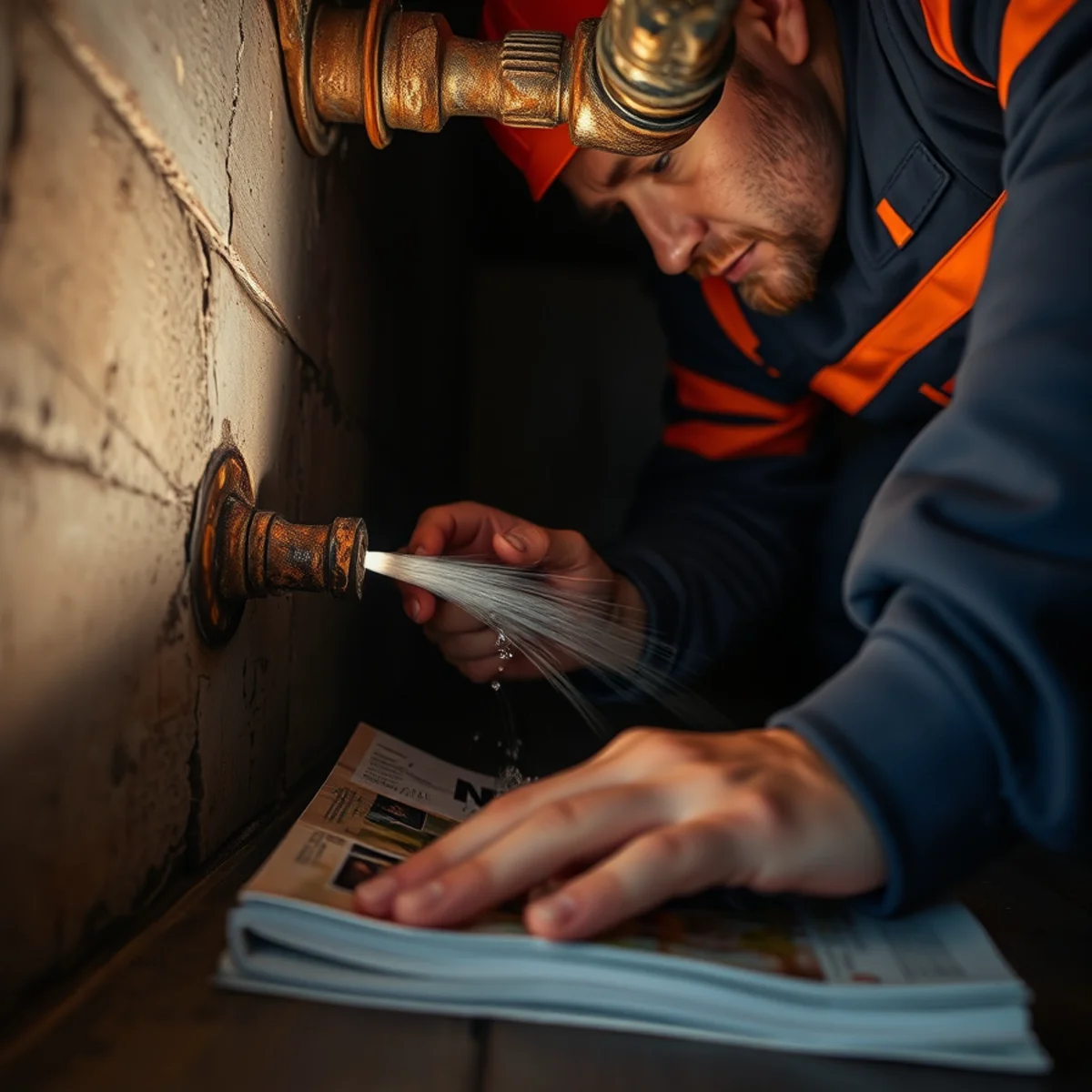
Low Pressure and the Pinhole-Leak Cycle
As rust and scale build up inside galvanized pipe, the opening water flows through gets smaller and smaller. Pressure drops gradually — so gradually that many homeowners don't notice until a plumber points it out. Weak showers and slow-filling fixtures across the whole house are a classic sign of corroded supply lines.
The corrosion also thins the pipe wall until it springs a pinhole leak. Fix one, and because the whole system is the same age and equally corroded, another shows up somewhere else before long. That endless game of whack-a-mole is often the moment homeowners decide a full repipe makes more sense than another patch. Catching leaks early with professional leak detection buys time, but it won't reverse the underlying decay.
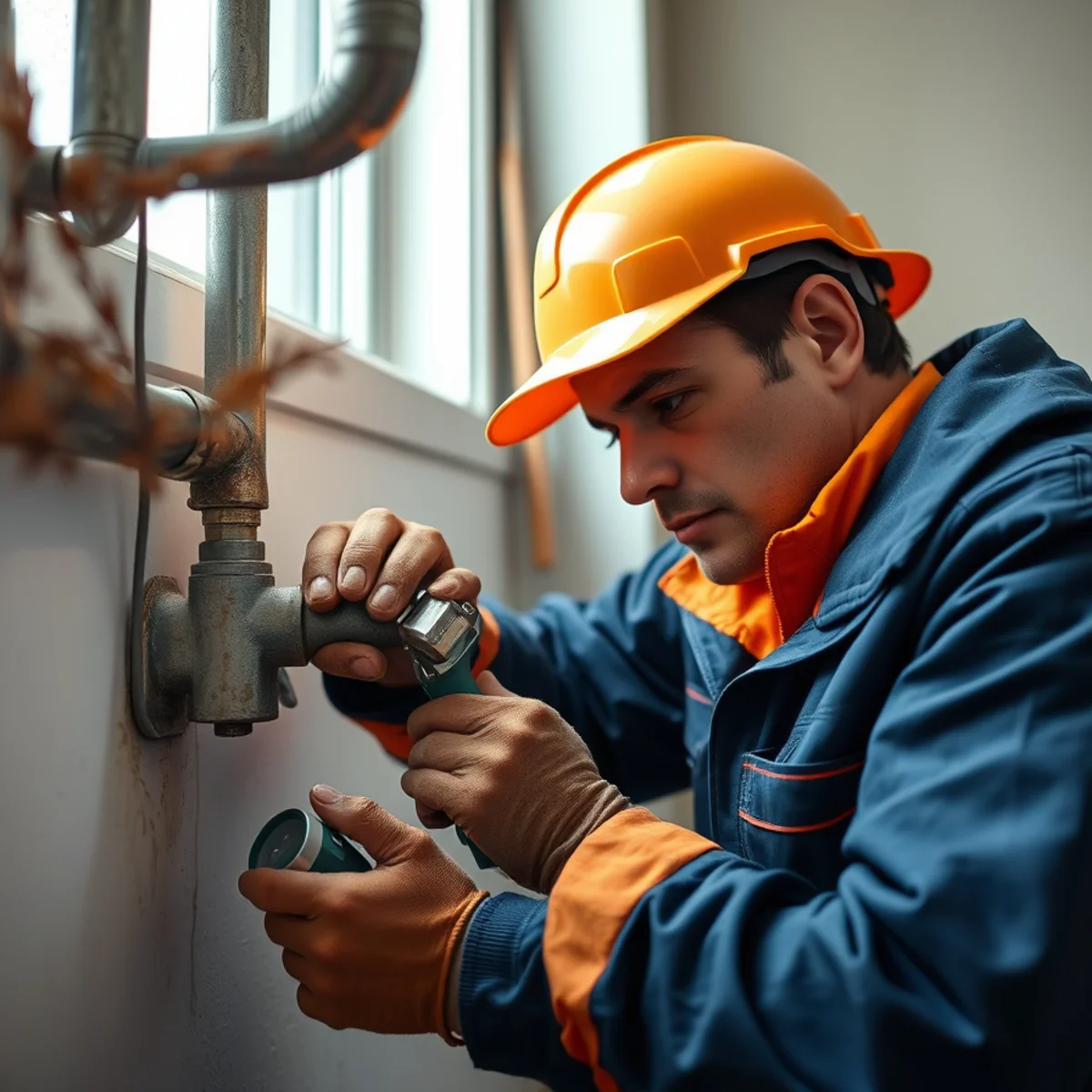
When Repairs Stop Making Sense
There's a tipping point where repeated repairs cost more than replacement. If you've called for the same kind of fix two or three times, or a plumber keeps coming back to different spots on the same old pipes, you're spending good money to postpone the inevitable.
A whole-home repipe ends the cycle. Instead of chasing leaks and living with rusty water, you get a fresh system that restores full pressure, delivers clean water, and won't corrode from the inside. For a home you plan to keep, it usually pays for itself in avoided repairs, water damage, and wasted water.
PEX vs. Copper: Choosing Your New Pipes
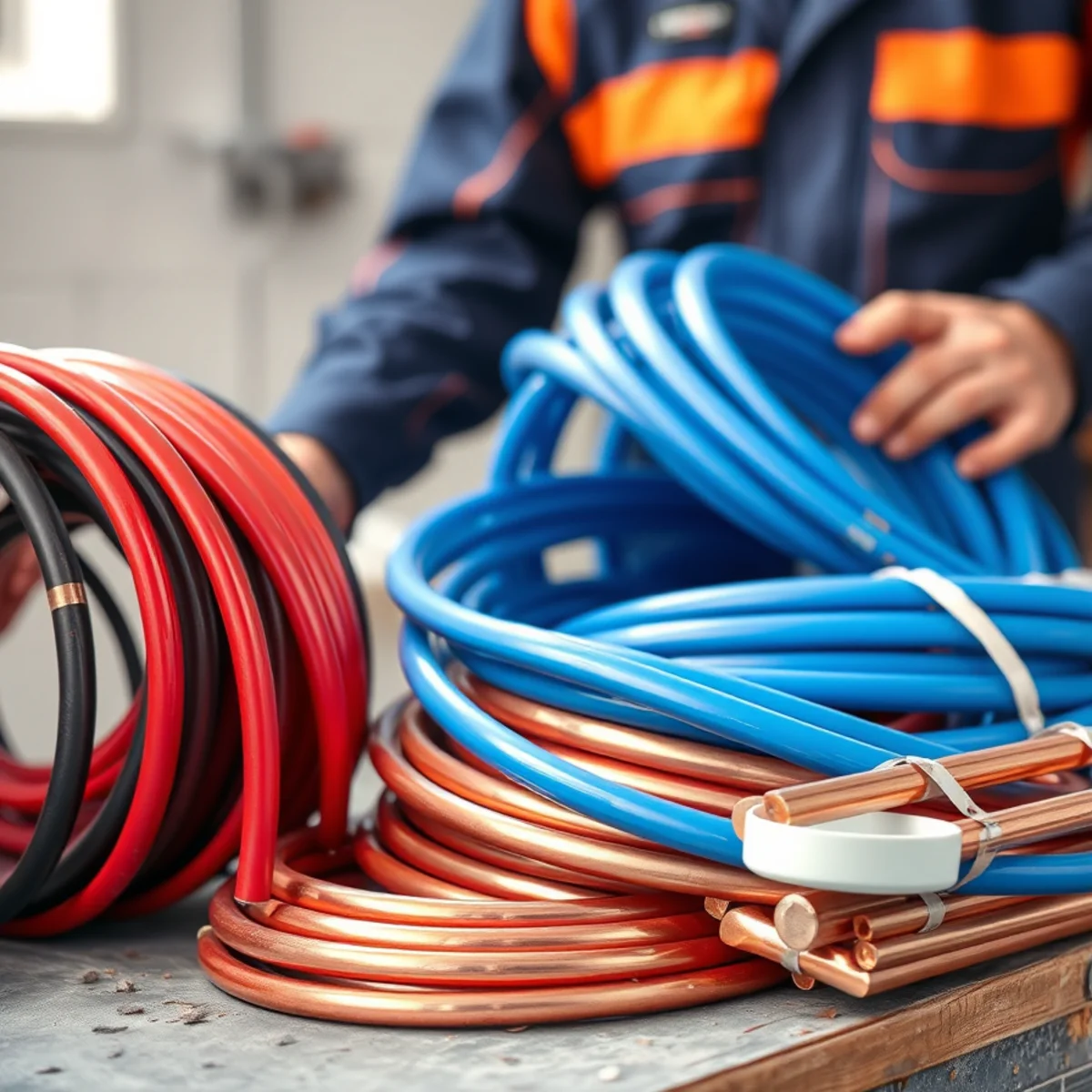
When we repipe a home, the two materials worth considering are PEX and copper. Both are a massive upgrade over corroded galvanized steel. The right choice depends on your home, your budget, and your priorities.
PEX
PEX is a flexible plastic tubing that has become the go-to for repiping. It installs faster with fewer fittings, snakes through existing walls with minimal demolition, resists scale buildup, and won't corrode. It also handles Indiana winters better than most — it can flex if water freezes, making it less likely to burst than rigid pipe. It's usually the more affordable option, too.
Copper
Copper is the time-tested standard — durable, long-lived, and unaffected by UV or high heat. It costs more in both material and labor because every joint is soldered, and it's more prone to bursting if a line freezes. Some homeowners simply prefer it for its longevity and proven track record.
What a Whole-Home Repipe Involves
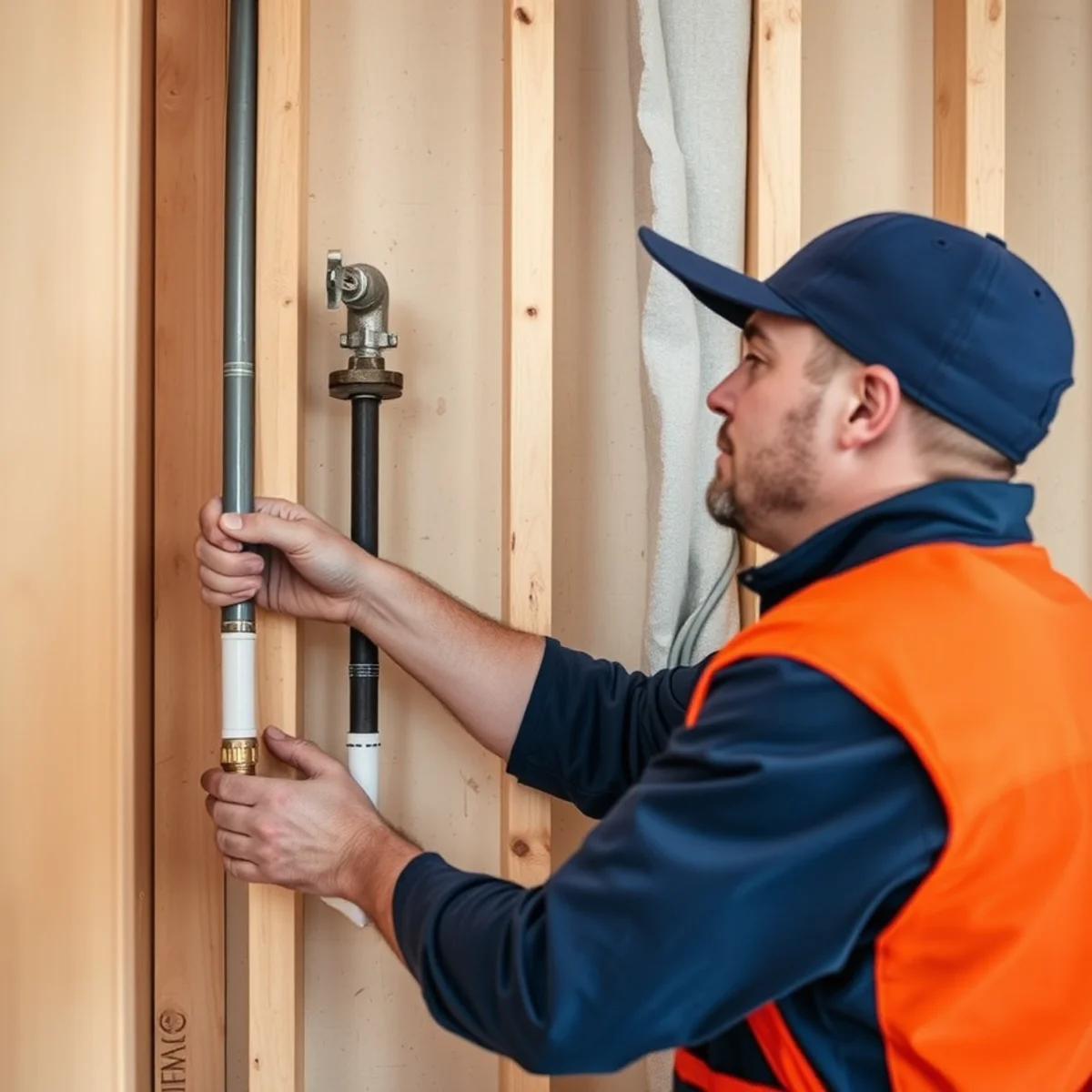
Repiping sounds like tearing your house apart, but a careful crew keeps the disruption surprisingly contained. We map the runs, open only the small, strategic sections of wall and ceiling needed to reach the pipes, install the new lines, and pressure-test the system before closing everything back up. Most homes stay livable throughout, with water shut off only for short stretches.
Because we treat your home like our own, we cover floors, clean up thoroughly, and leave the drywall ready for patching. If your older home is showing these signs — and especially if hard water has been speeding the corrosion — it may be worth pairing a repipe with a water softener to protect the new pipes for the long haul. Reach out for an honest assessment and an upfront quote before any work begins.