A mature oak shading your front yard is one of the best things about an older Indianapolis neighborhood. Unfortunately, that same tree is running a slow, silent operation underground — and your sewer line is the target. Tree roots are the leading cause of sewer backups in established neighborhoods, and most homeowners never see it coming until the drains quit working.
Roots don't attack a healthy, sealed pipe out of aggression. They follow water and nutrients, and a sewer line is a buffet. Understanding how roots get in, what the warning signs look like, and which repairs actually last will save you from a messy, expensive surprise.
How Roots Find Their Way Into Your Sewer Line
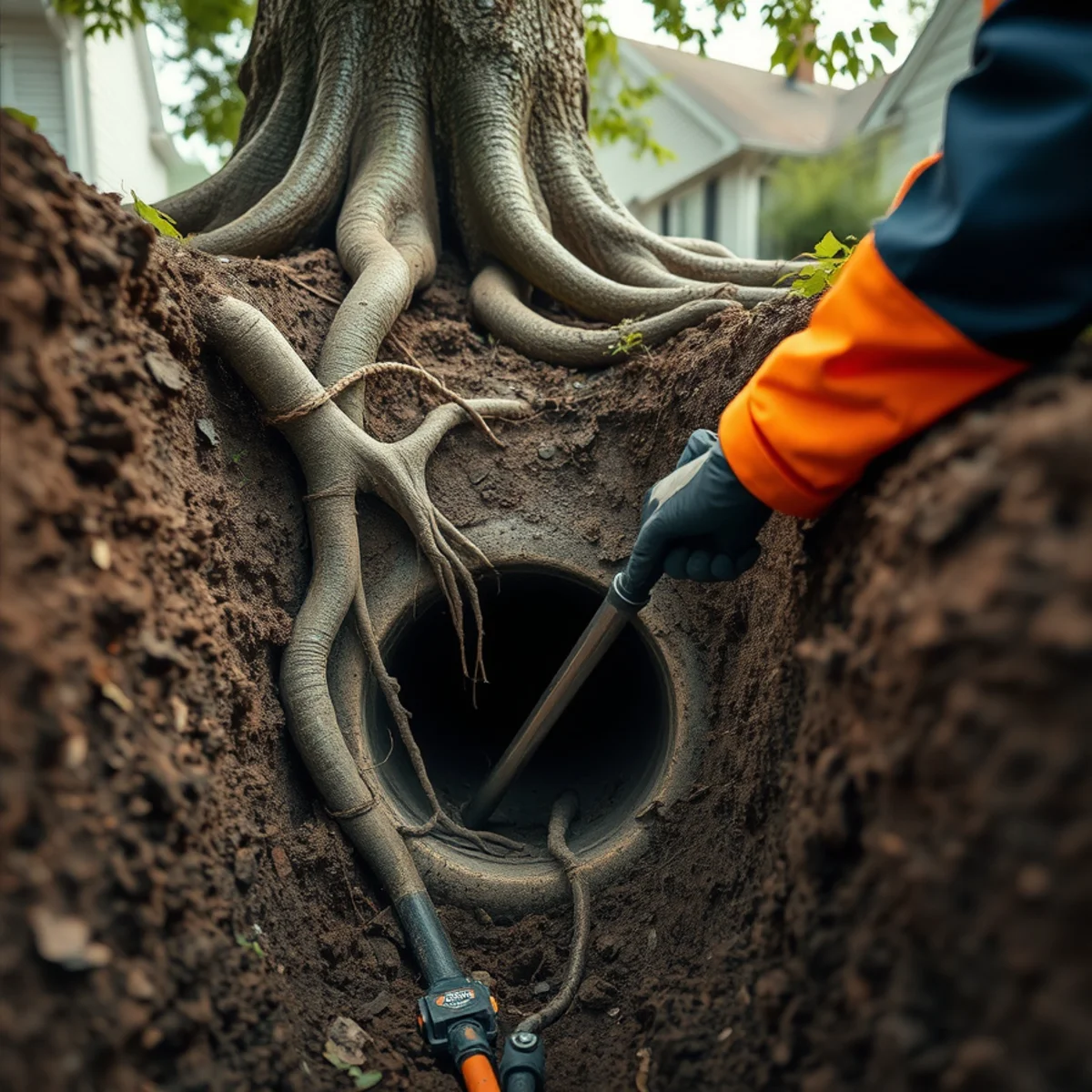
Sewer pipes carry a warm, steady flow of water and nutrients — exactly what roots are searching for underground. On a cold day, a tiny bit of vapor escapes from pipe joints and small cracks, and roots grow straight toward that moisture. They don't need a big opening to get started.
A hairline gap at a pipe joint or a loose seal is all it takes. A single root filament threads into the crack, then thickens and branches once it reaches the water inside. Left alone, it grows into a dense mat that snags toilet paper and waste, catches grease, and eventually blocks the pipe completely. As the root swells, it can crack the pipe wider — turning a small intrusion into a broken line.
Why Older Neighborhoods Get Hit Hardest
Homes built before the 1980s were commonly connected to the sewer with clay tile or, in some cases, older cast iron. Clay pipe was laid in short sections with joints every few feet, and those joints are exactly the weak points roots exploit. Decades of ground movement and freeze-thaw cycles loosen them further.
Pair aging clay pipe with the big, mature trees that make neighborhoods like Irvington and Meridian-Kessler so appealing, and you have the perfect setup for root intrusion. The bigger and older the trees, the deeper and more aggressive the root systems reaching for your line.
Warning Signs of Root Intrusion
Roots build up gradually, so the symptoms start small and get worse. Catch them early and you avoid a full backup:
- Gurgling sounds from toilets or drains
- Multiple slow drains throughout the house at once
- Sewage odors in the yard or basement
- Toilets that back up or drain slowly for no clear reason
- Recurring clogs that return weeks after you clear them
Finding the Problem: Camera Inspection
That last symptom is the big tell. A single clog might be grease or a foreign object, but a clog that keeps coming back in the same spot is almost always roots reestablishing themselves. Rather than dig blind to find out, we run a waterproof camera on a flexible cable down the sewer line and watch on a monitor in real time.
The inspection shows exactly where roots are entering, how bad the intrusion is, and what condition the pipe is in overall. That's the foundation of a smart repair — it tells us whether the line just needs cleaning, whether a section is cracked, or whether the pipe has failed to the point that clearing roots would only buy a few months. We'd rather show you what's actually happening down there than sell you a repair you may not need.
Clearing Roots: Hydro-Jetting and Cutting
Once we know what we're dealing with, there are two proven ways to clear the line and get water moving again.
Mechanical root cutting
A powered cutting head on a cable spins through the pipe and shears off the roots blocking the flow. It reopens the line quickly and gets water moving again — a solid first step when you need relief fast.
Hydro-jetting
For a thorough clean, hydro-jetting blasts the pipe with water at extremely high pressure. It scours the walls, cuts through root masses, and flushes out the grease and debris that snagged on them. Done right, it leaves the pipe far cleaner than a cable alone and buys you more time before roots return.
Keeping Roots Out After the Fix
Clearing roots isn't permanent — as long as the pipe has an opening and the tree is alive, roots will grow back. The goal between now and a lasting repair is to slow them down.
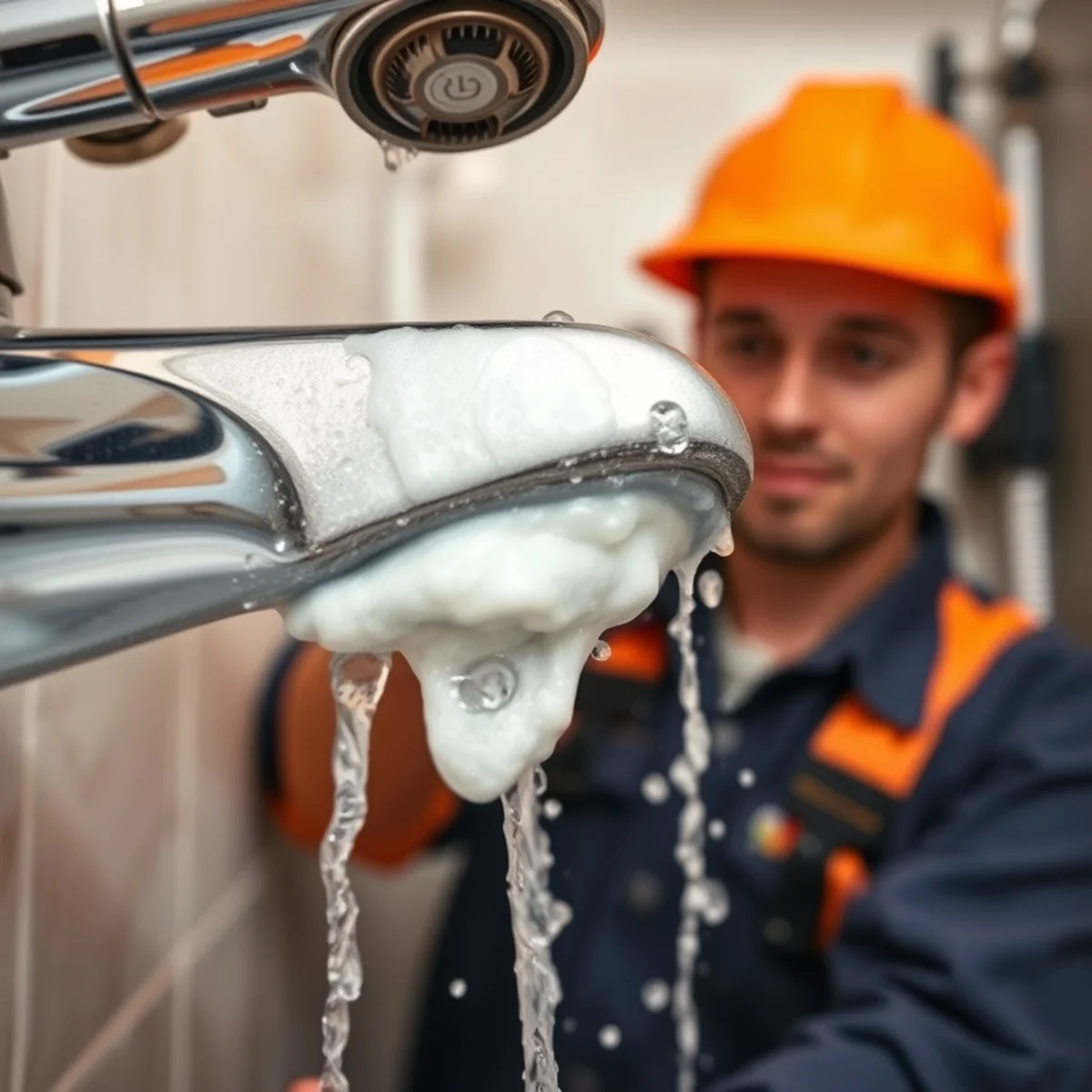
- Foaming root treatments coat the pipe and kill roots on contact without harming the tree
- Schedule a camera inspection every year or two to catch regrowth early
- Avoid planting new trees or shrubs directly over the sewer line
- Know where your line runs before any landscaping project
When Repair Beats Repeated Clearing
If you're clearing the same line every year, or the camera shows cracked and collapsing pipe, cleaning is just delaying the inevitable. At that point a real repair is the cheaper path. Modern trenchless methods can rehabilitate or replace a sewer line with little or no digging — sparing your lawn, driveway, and mature trees the damage of a full excavation.
We'll inspect your line with a camera, show you what's really going on, and lay out your options honestly — from a targeted sewer line repair to a full trenchless replacement — with upfront pricing before any work begins. If your drains keep backing up, reach out and let's find out whether roots are the culprit.