That faint, endless hiss from the bathroom is easy to tune out, but it's not harmless. A running toilet can waste hundreds of gallons of water a day, and every one of them shows up on your bill. It's one of the quietest ways a home leaks money.
The good news is that a running toilet is usually a cheap, fixable problem, and often a DIY one. The parts inside the tank are simpler than they look. Here are the five most common reasons a toilet won't stop running, plus a two-minute test to find the culprit fast.
First, the Food-Coloring Tank Test
Before you replace anything, spend two minutes finding out where the water is going. Take the lid off the tank, add a few drops of food coloring to the water in the tank, and wait about fifteen minutes without flushing.
If colored water shows up in the bowl, you have a leak from the tank into the bowl, and the flapper is your prime suspect. If the tank water level keeps climbing until it spills into the overflow tube, the problem is on the fill side instead. This one test points you at the right culprit before you buy a single part.
1. A Worn or Warped Flapper
The flapper is the rubber seal at the bottom of the tank that lifts when you flush and drops to seal the tank afterward. It's the single most common cause of a running toilet, because rubber wears out. Over the years it gets stiff, warped, or coated in mineral buildup, and it stops sealing.
When the flapper can't seal, water leaks steadily into the bowl and the fill valve keeps topping off the tank to compensate, which is the running you hear. A new flapper is inexpensive and one of the easiest plumbing swaps there is. Just match the size and style to your toilet and make sure the seat it rests on is clean.
2. A Chain That's Too Long or Too Short
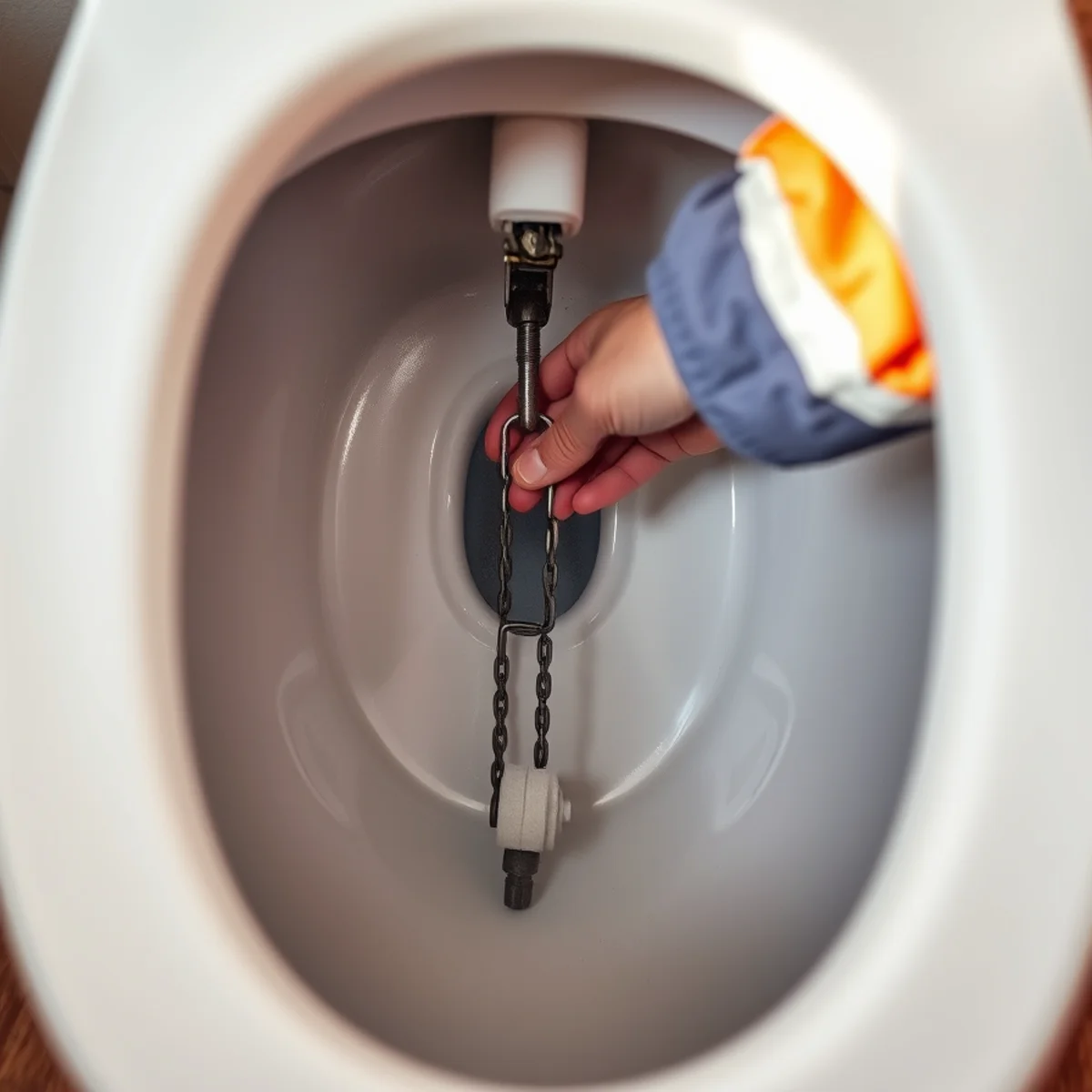
The small chain connecting the flush handle to the flapper causes more trouble than its size suggests. If it's too long, it can slip under the flapper and hold it open just enough to leak. If it's too short, it holds the flapper up so it never fully seats.
The fix is simple. Adjust the chain so there's just a little slack when the flapper is closed, enough to lift cleanly on a flush but not so much that it tangles or catches. This is often the whole fix, and it costs nothing.
3. A Faulty Fill Valve
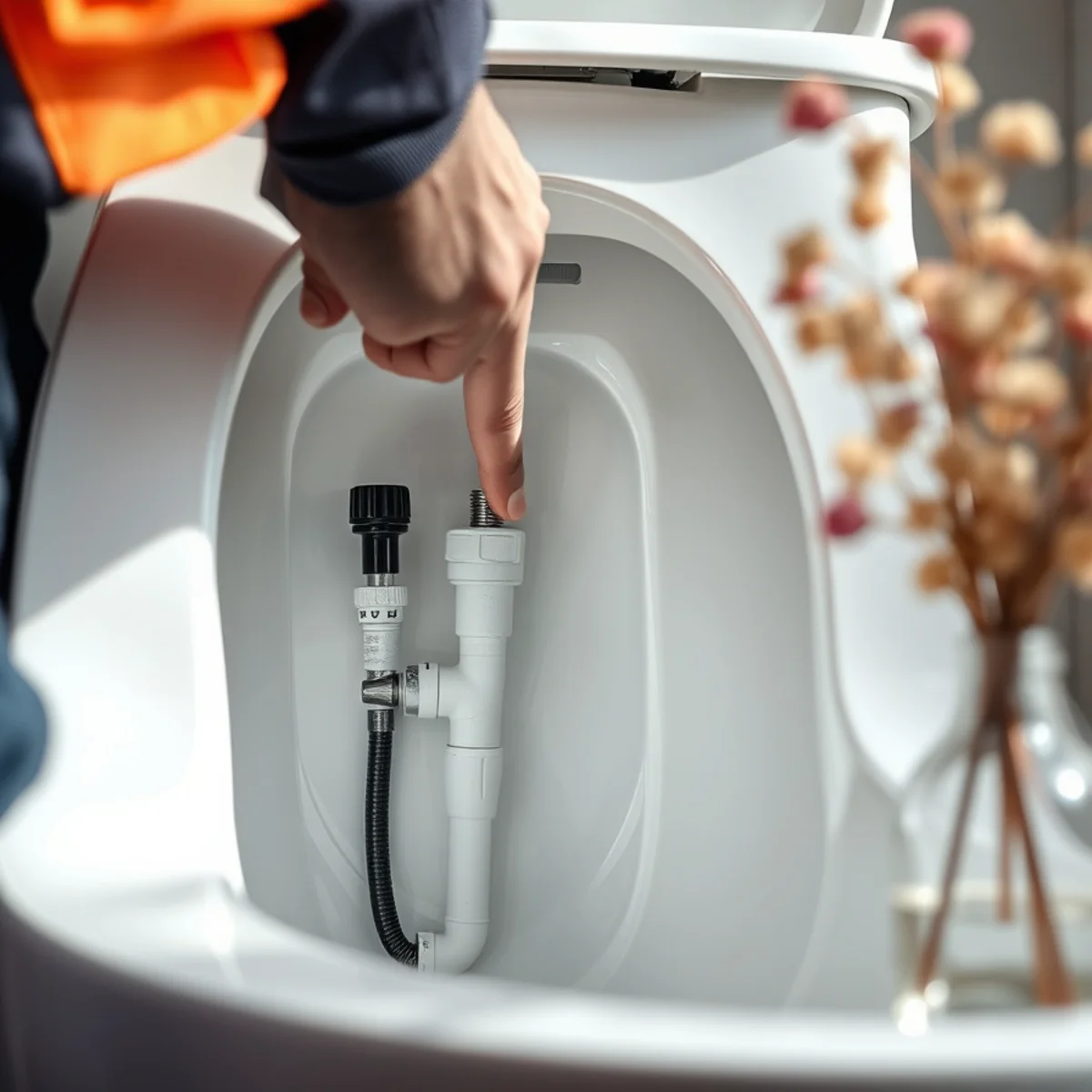
The fill valve refills the tank after each flush and shuts off when the tank is full. When it wears out, it may not shut off completely, leaving water trickling in continuously. You'll often hear a faint hiss or an on-and-off refill cycle even when no one has flushed.
If the food-coloring test showed the tank overfilling rather than leaking into the bowl, the fill valve is the likely cause. Replacing one is a manageable DIY job for a confident homeowner, though it's a bit more involved than swapping a flapper.
4. The Float Set Too High
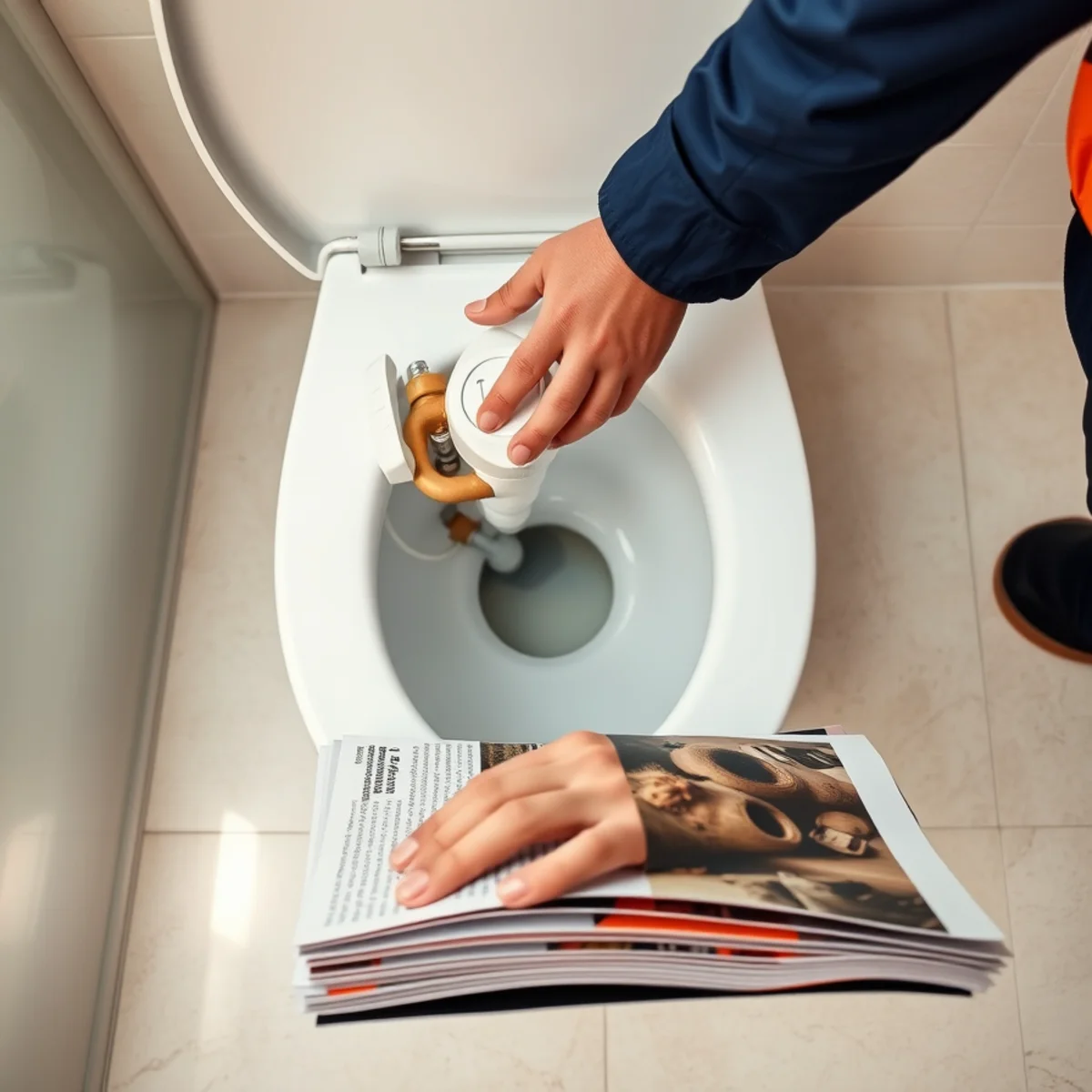
The float tells the fill valve when to stop. If it's set too high, the tank fills past the top of the overflow tube, and the excess water drains down that tube continuously, which reads as a toilet that never stops running.
This one is often a quick adjustment rather than a repair. On a float-cup valve, pinch the clip and slide the float down. On an older ball float, adjust the arm so the water shuts off below the top of the overflow tube. Get the water level right and the running frequently stops on its own.
5. A Bad Flush Valve or Overflow Tube
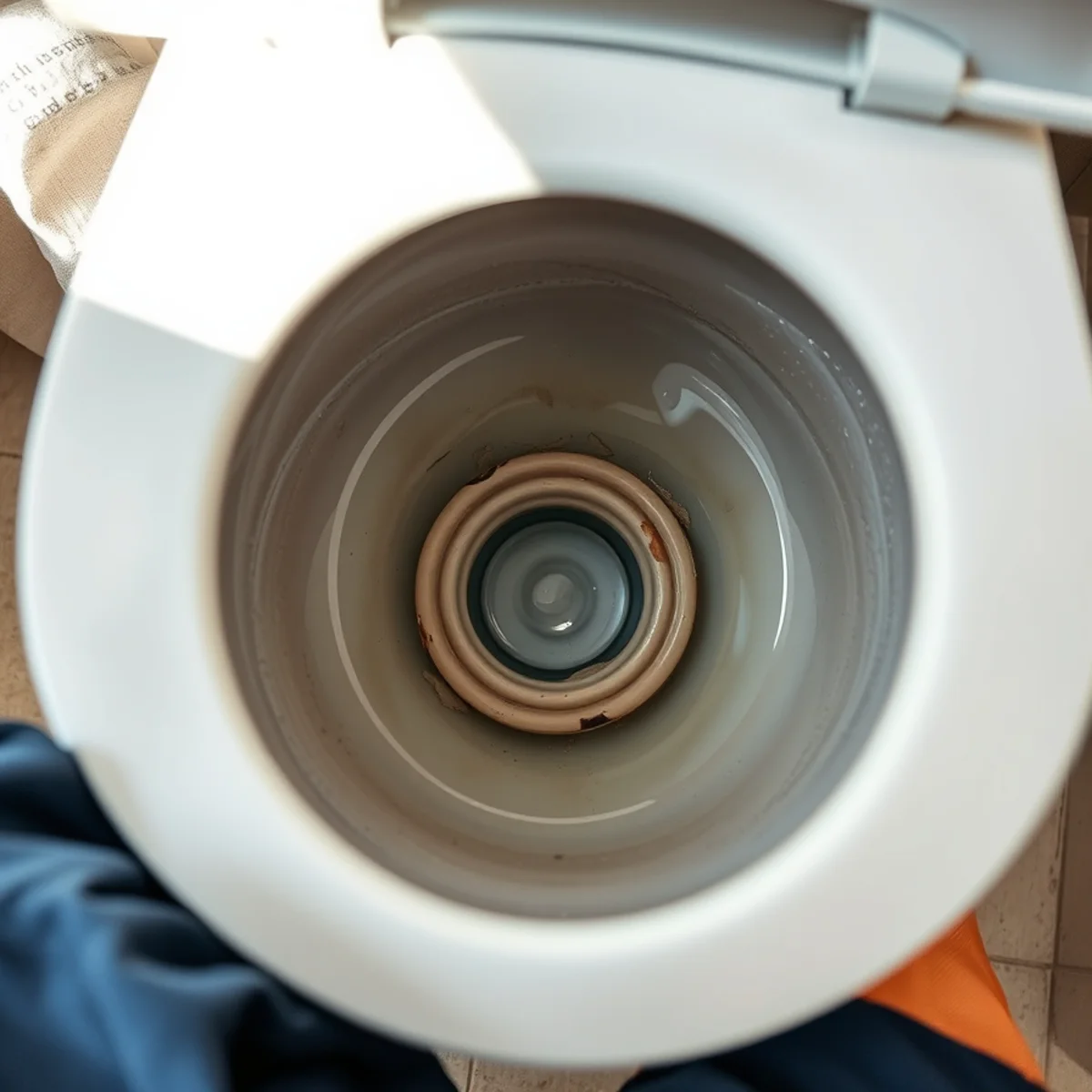
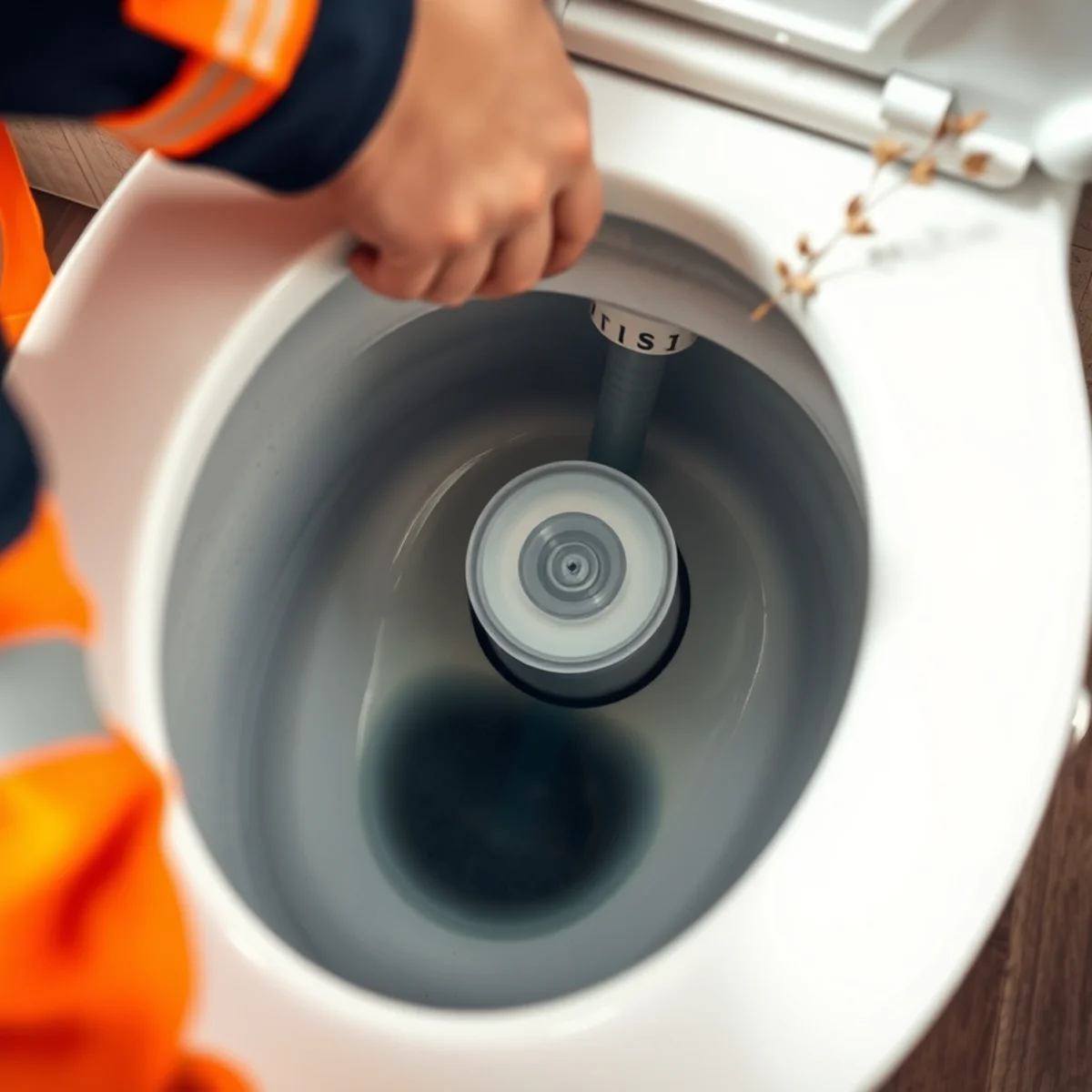
If the flapper is new and seated correctly but water still leaks into the bowl, the problem may be the flush valve itself, the assembly the flapper seals against. Over time that seat can crack, warp, or corrode, so no flapper can seal against it.
A cracked overflow tube causes similar trouble. Both are more involved repairs, sometimes calling for replacing the whole flush valve, which means pulling the tank. This is a fair point to bring in help. If you've replaced the simple parts and it's still running, a toilet repair gets to the bottom of it without guesswork.
When to Replace the Guts or the Whole Toilet
If you're chasing one failing part after another, it's often smarter to replace all the internal parts at once with a rebuild kit, giving you a fresh flapper, fill valve, and flush valve for far less than a new toilet. It's a great way to make an older toilet run like new.
But if the toilet is very old, cracked, constantly needing attention, or wasting water despite new parts, replacement may be the better value. Newer toilets also use far less water per flush, so a replacement can pay for part of itself over time. A running toilet is also worth taking seriously because it can mask other issues, which is why a quiet, unexplained water bill sometimes warrants professional leak detection to rule out a hidden problem.
Most of the time, though, you can fix a running toilet yourself with a few parts and the food-coloring test to guide you. Start simple and work up from there. If it keeps running after you've tried the basics, or you'd rather not wrestle with the tank, we're glad to help homeowners across Indianapolis and Greenwood get it sorted. Reach out and we'll stop the waste and get your toilet working right.
- Run the food-coloring test first to find the leak
- Start with the cheapest fixes: flapper and chain
- Overfilling points to the fill valve or float
- Leaking into the bowl points to the flapper or flush valve
- Chasing part after part? A full rebuild kit is often the smart move
Frequently Asked Questions
Keep exploring
Related Services
Service Areas