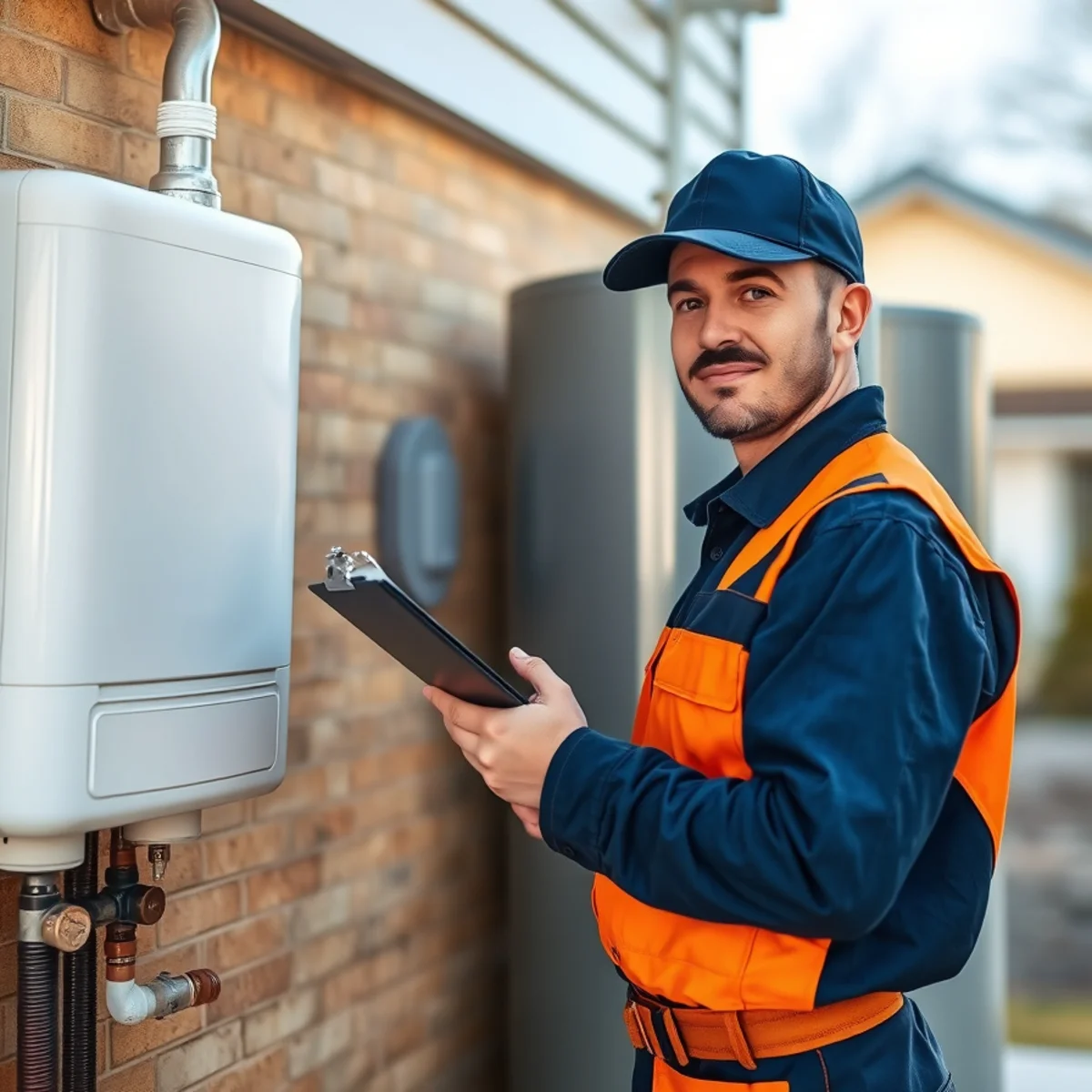
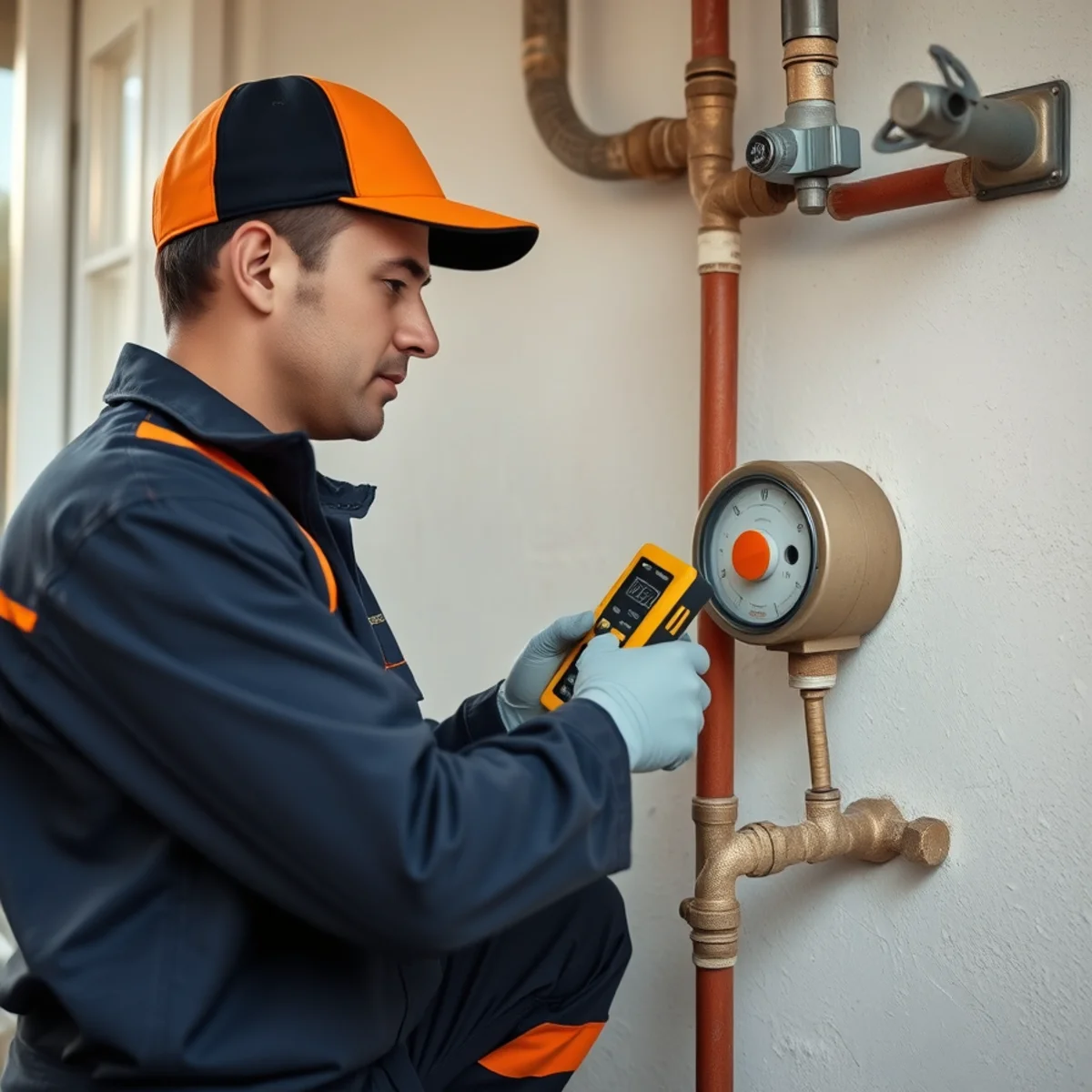
Natural gas is safe when the lines are installed right and maintained — and dangerous when they're not. That's why gas work is one place you never want a shortcut or a handyman special. It has to be done by someone licensed, code-compliant, and careful.
We install, repair, and extend gas lines across Indianapolis, and we handle appliance hookups from ranges to tankless water heaters. Every job is pulled to permit where required, done to Indiana code, and pressure-tested before we turn the gas back on. Licensed and insured, no exceptions.
Signs of a Gas Leak — Act Immediately
A gas leak is an emergency. If you notice any of these, don't wait:
- The smell of rotten eggs or sulfur near an appliance or line
- A hissing or whistling sound near a gas line or connection
- Dead or dying plants in a patch above a buried gas line outside
- A visible dust cloud or bubbling around gas piping
- Unexplained fatigue, headaches, or nausea that ease when you leave the house
If You Smell Gas, Do This First
If you smell gas, treat it as an emergency. Get everyone out of the house right away. Don't flip light switches, unplug anything, light a match, or start a car in an attached garage — any spark is a risk. Leave a door open on your way out if you can do it quickly.
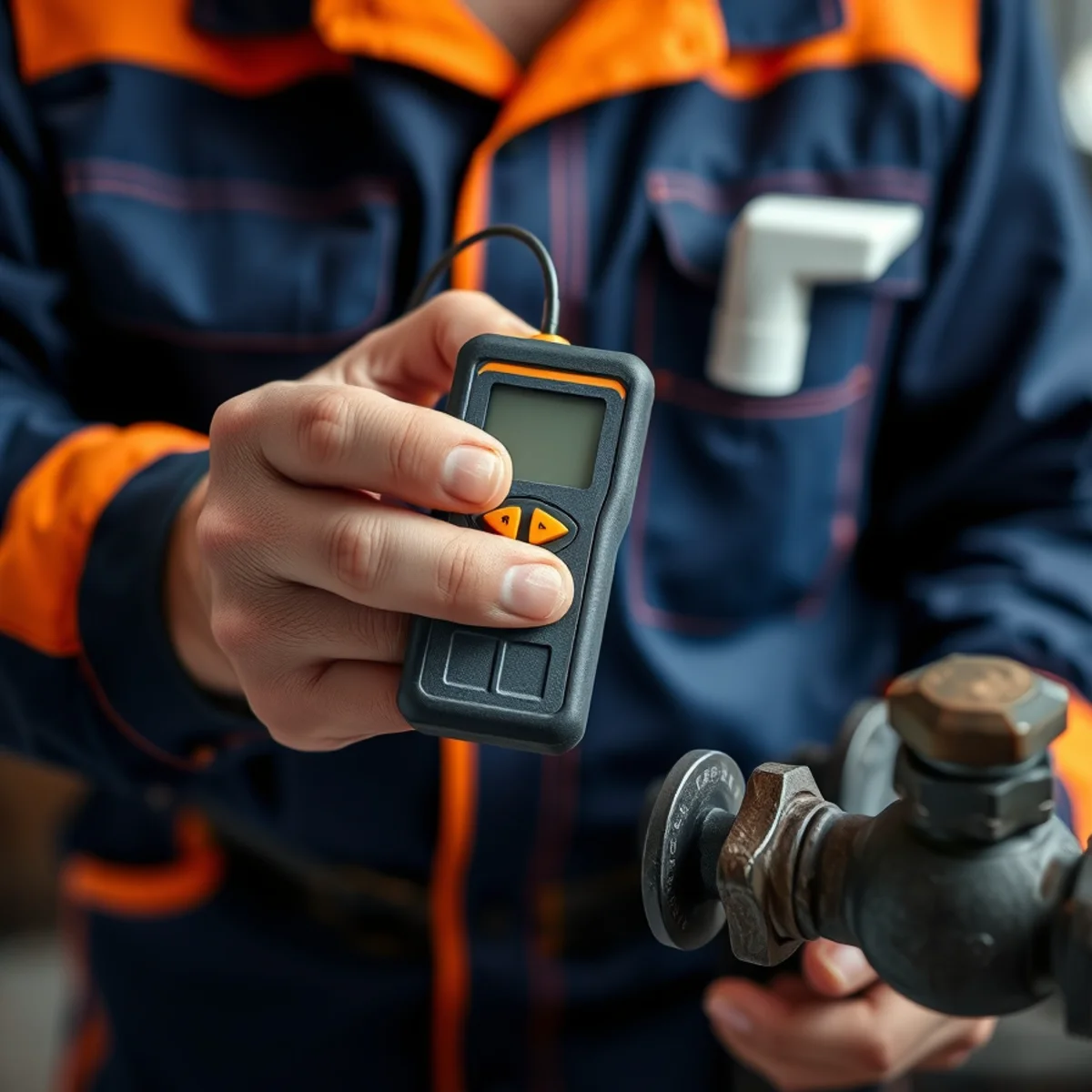
Once you're safely outside and away from the house, call your gas utility's emergency line and 911, then call us. Do not go back inside until it's declared safe. When the immediate danger is handled, our team locates the leak, repairs the line, pressure-tests it, and confirms everything is tight before the gas comes back on. This is exactly the kind of call our emergency plumbing team is ready for around the clock.
Gas Line Installation and Repair
Whether you're running a new line to a spot that never had gas or replacing old, corroded pipe, the work has to be sized and installed correctly. Too small a line starves an appliance; a bad joint leaks. We size the pipe to the load, use the right materials, and test the whole run under pressure.
We also handle repairs on existing lines — corrosion, damaged sections, or joints that have started to weep. Older Indianapolis homes sometimes have gas piping that's well past its prime, and we replace it to current code. Every permit that's required, we pull; every inspection, we meet.
- Size and route new gas lines to code
- Repair or replace corroded and damaged piping
- Pull required permits and meet Indiana code and inspections
- Pressure-test every line before restoring gas
Appliance Hookups Done Safely
Adding a gas range, dryer, outdoor grill, fire pit, or a tankless water heater? Each needs a properly sized line, the correct connector, and a leak-tested connection. A loose or wrong hookup is a slow leak waiting to happen, so this isn't a place to improvise.
Gas is a natural fit with a tankless water heater, which needs adequate gas supply to deliver endless hot water — and if you're replacing a tank unit, our water heater installation crew handles the whole swap, gas line included. Homeowners in Zionsville and across the northwest suburbs call us to add gas for a new kitchen or a backyard setup.
Permits, Code, and Keeping It Maintained
Gas work isn't the place to skip a permit. Beyond legality, an inspected job protects you when you sell the home and, more importantly, protects your family. We handle the permit process so you don't have to, and we do the work to the standard an inspector expects.
A little upkeep goes a long way, too. Checking connections and appliance venting belongs on your seasonal plumbing maintenance checklist. And if you're deciding who to trust with gas work in the first place, our guide on how to choose a plumber is worth a read — with gas, licensed and insured isn't optional.
Gas Lines for Grills, Fire Pits, and Outdoor Kitchens
One of the most popular upgrades we run is a dedicated gas line out to the patio. A built-in grill, fire pit, or outdoor kitchen means never swapping propane tanks again — but it has to be done right. Outdoor runs face weather, buried depth requirements, and shutoff placement rules that indoor lines don't. We size the line for the appliance's BTU demand, bury it properly, and add an accessible shutoff so it's safe and easy to service.
The same care applies to any high-demand appliance you add later. Every burner, water heater, and dryer on a system draws from the same supply, and adding one without checking the load can starve the others of pressure. We look at the whole picture before running new pipe. Planning a bigger project like a new gas water heater installation at the same time? We'll coordinate it so the system is sized correctly from the start.
What Affects the Cost of Gas Line Work
We quote every gas job upfront before we start. What shapes the price:
- The length and routing of the new or repaired line
- The pipe material and size needed for the appliance load
- Permit and inspection requirements for the job
- How accessible the line is — an open basement vs. buried or in-wall runs
- The number and type of appliances being connected
Gas work is priced upfront with the permit and testing included — never a surprise line item after the fact.
Why choose Ryan Water Systems for gas line services?
Gas work leaves no room for shortcuts, and we treat it that way. Every line we run, repair, or pressure-test is done to Indiana code by a licensed, insured team that pulls the proper permits and gets the inspection signed off. Family-owned since 2013, we explain the plan in plain English, quote it upfront, and never cut corners on a job where a mistake can be dangerous. Homeowners trust us with gas because we do it right the first time and stand behind the work.
- 13+ years serving Central Indiana
- 4.8★ from 18 Google reviews
- Licensed & insured, family owned & operated
- Upfront pricing — no hidden fees
- 24/7 emergency response
- Satisfaction guarantee on every job
Gas Line Services across Indianapolis & Central Indiana
We run and repair gas lines across Indianapolis and Central Indiana, from newer subdivisions to established homes adding a range, dryer, or outdoor grill. You'll find our trucks regularly in Zionsville, Avon, Carmel, and Plainfield. Wherever the job is, the standard doesn't change: we size the line for the load, pressure-test it, pull the permit, and make sure everything passes inspection — so your gas appliances run safely for years without a second thought.