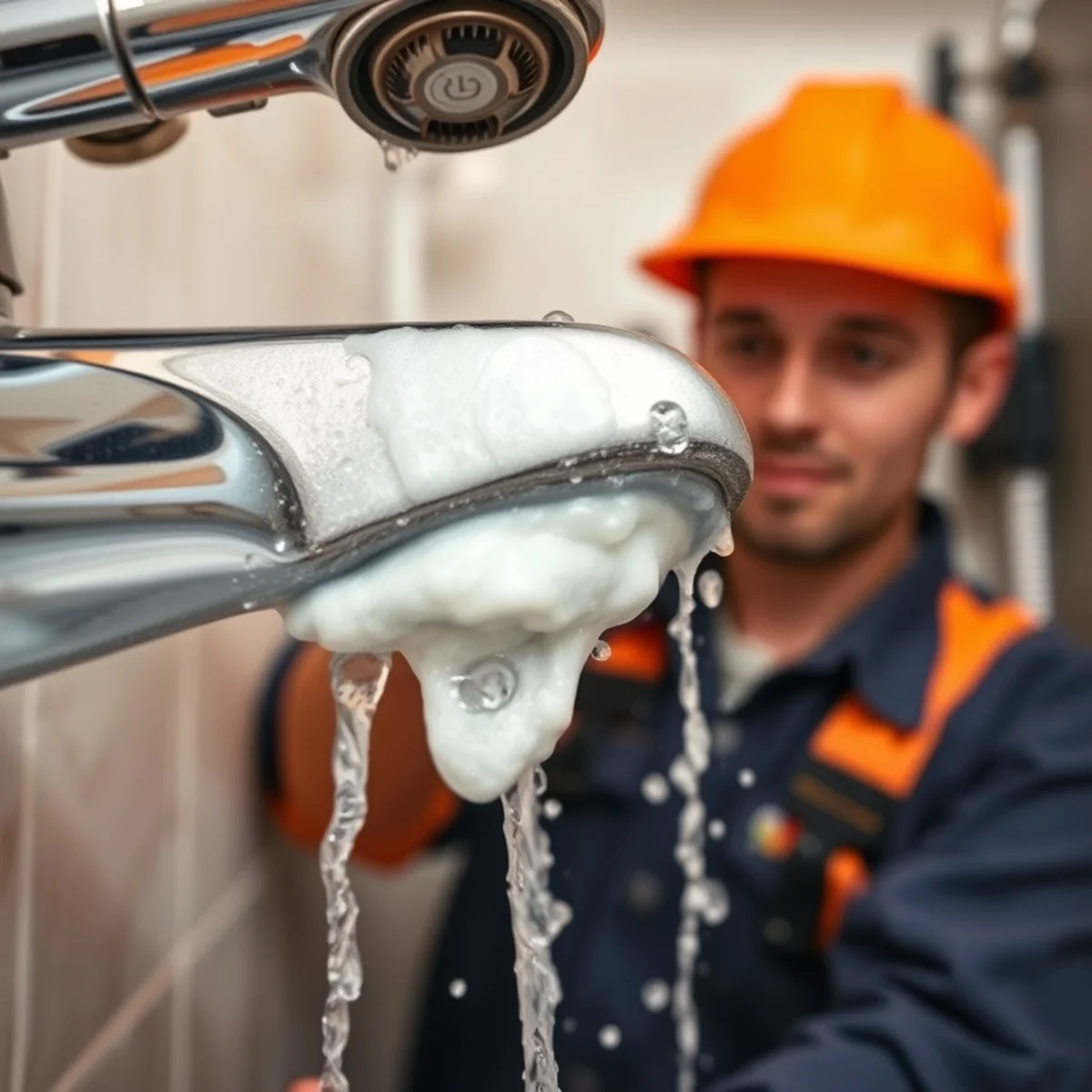
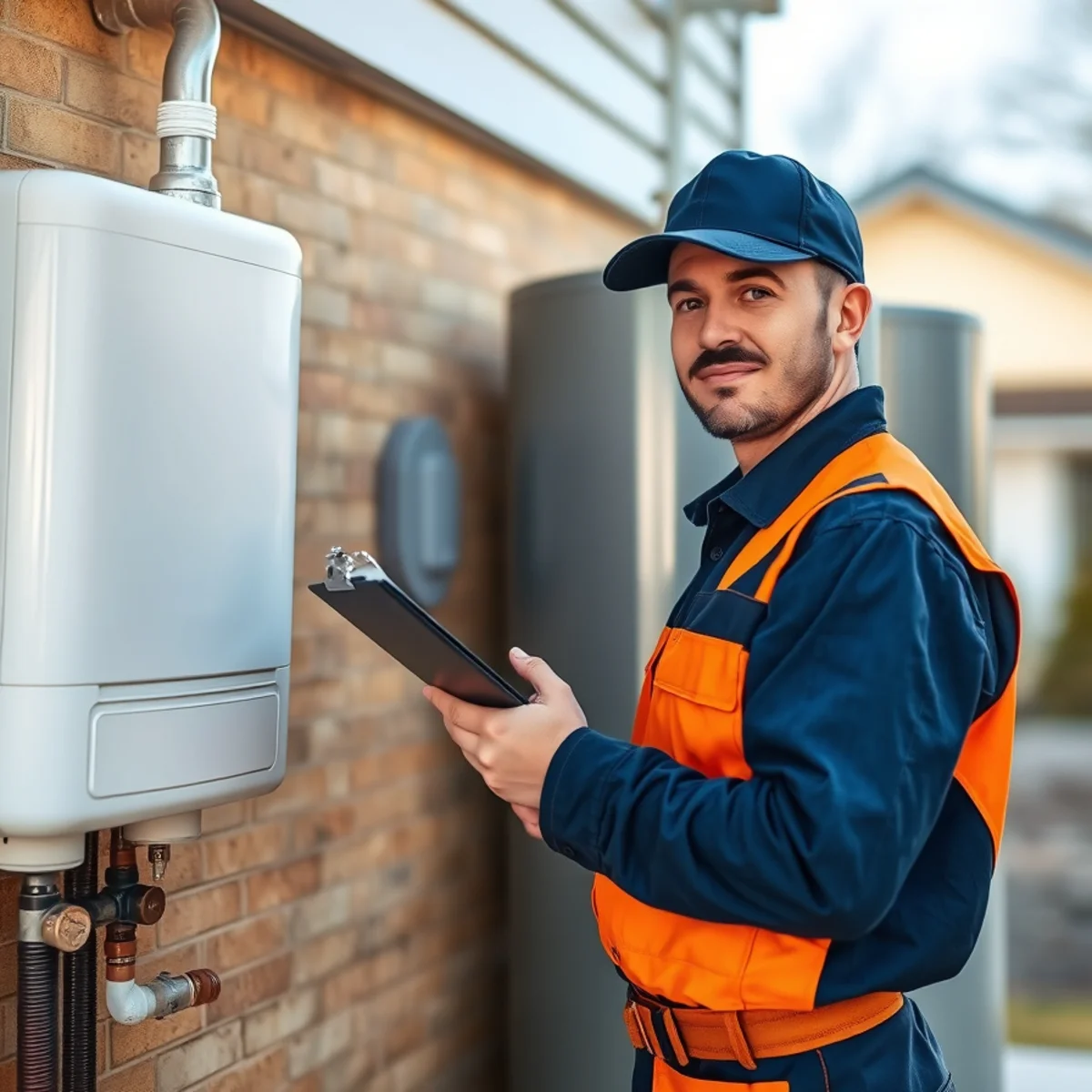
Indiana weather doesn't do anything halfway. We swing from freezing pipes in January to soaking-wet basements in April to bone-dry heat in July, and your plumbing feels every one of those extremes. A little upkeep timed to the season keeps small problems from becoming emergencies — and spreads the work out so it never piles up.
This checklist walks through the whole year, one season at a time, with the tasks that matter most for homes across Central Indiana. Print it, save it, or just tackle a section each time the weather turns.
Spring: Recover From Winter and Prep for Rain
Spring is when Indiana's ground thaws, the rains come, and your basement's defenses get their first real test of the year. It's also the time to check for any damage the winter freeze left behind.
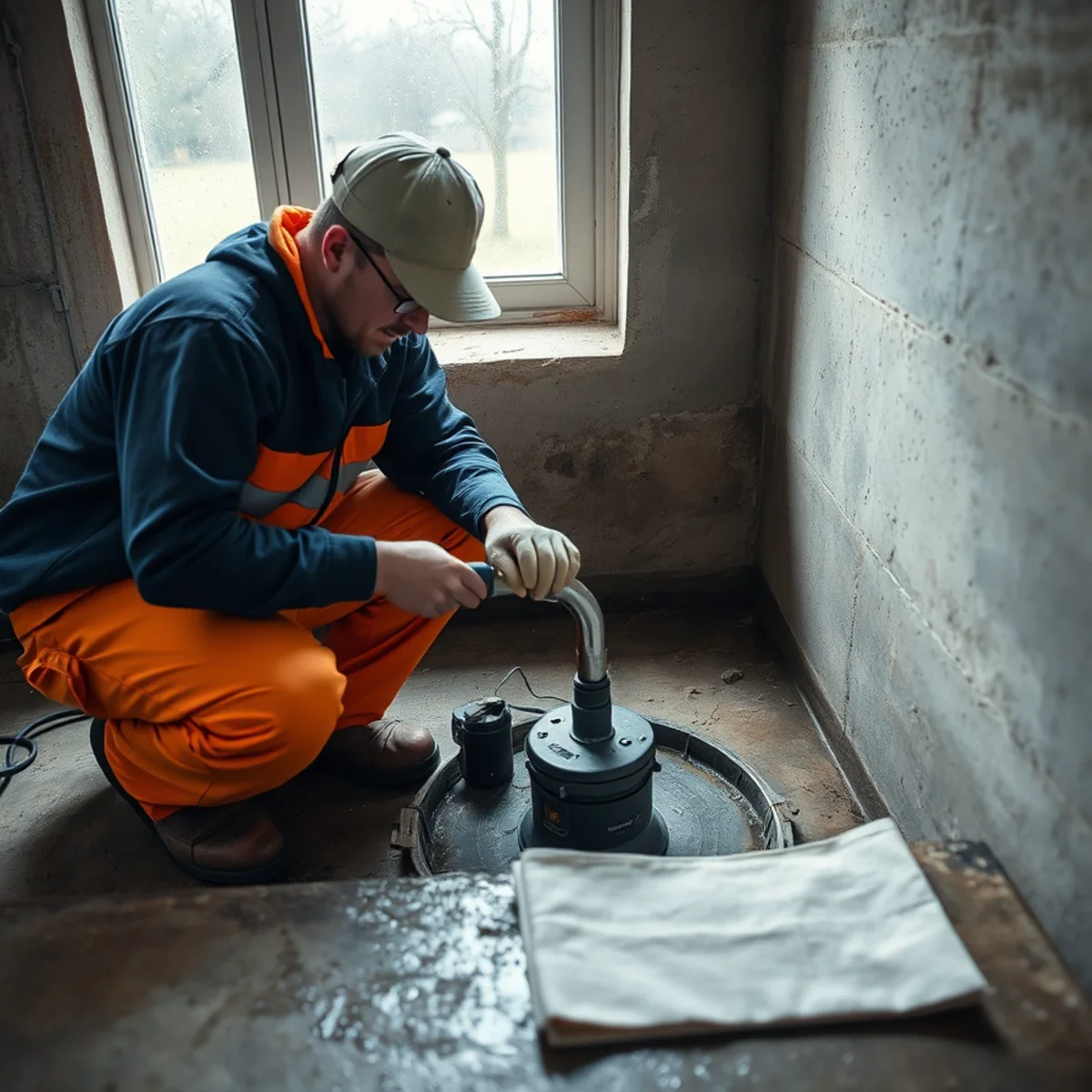
- Test your sump pump before the heavy spring rains — pour a bucket of water into the pit and confirm it kicks on
- Check the sump pump's battery backup and replace the battery if it's more than 3 to 5 years old
- Inspect exposed pipes for cracks or small leaks from winter freezing
- Reconnect outdoor faucets and hoses, watching for burst pipes
- Clear gutters and downspouts so snowmelt and rain drain away from the foundation
Summer: Outdoor Faucets and Sewer Care
The sump pump task is the big one for spring — our wet springs and clay soil push groundwater hard against basements, and a pump that failed quietly over the winter won't announce itself until the water's rising. If yours is sluggish or aging, it's worth having your sump pump serviced before storm season peaks. With freeze risk gone, summer shifts your attention to outdoor plumbing and the bigger projects that are easier in warm weather.
Summer is also prime time for sewer trouble, when tree roots are growing fastest and reaching deepest into your line.
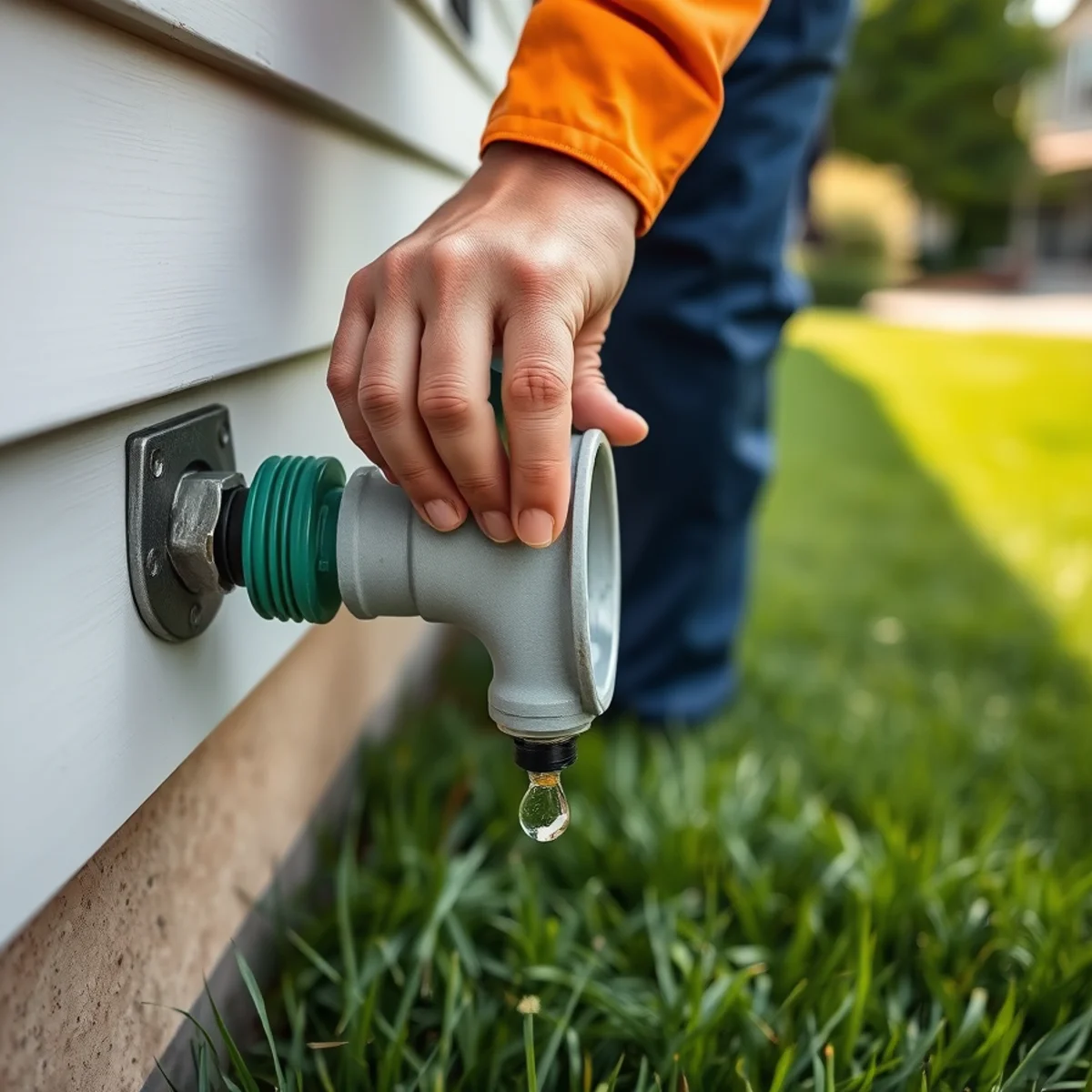
- Inspect outdoor faucets, spigots, and hose bibs for drips and leaks
- Check that your irrigation system isn't wasting water or leaking underground
- Watch for slow drains or gurgling that hint at a developing sewer clog
- Clean the garbage disposal and keep fibrous produce scraps out of it
- Test your water pressure and note any drop-off
Fall: Get Ahead of the Freeze
If drains are slowing across the house or toilets are gurgling, don't wait — a professional drain cleaning in summer beats a backup during a holiday gathering. Once the leaves start turning, fall becomes the most important season for prevention. Everything you do now determines whether winter passes quietly or brings a burst pipe.
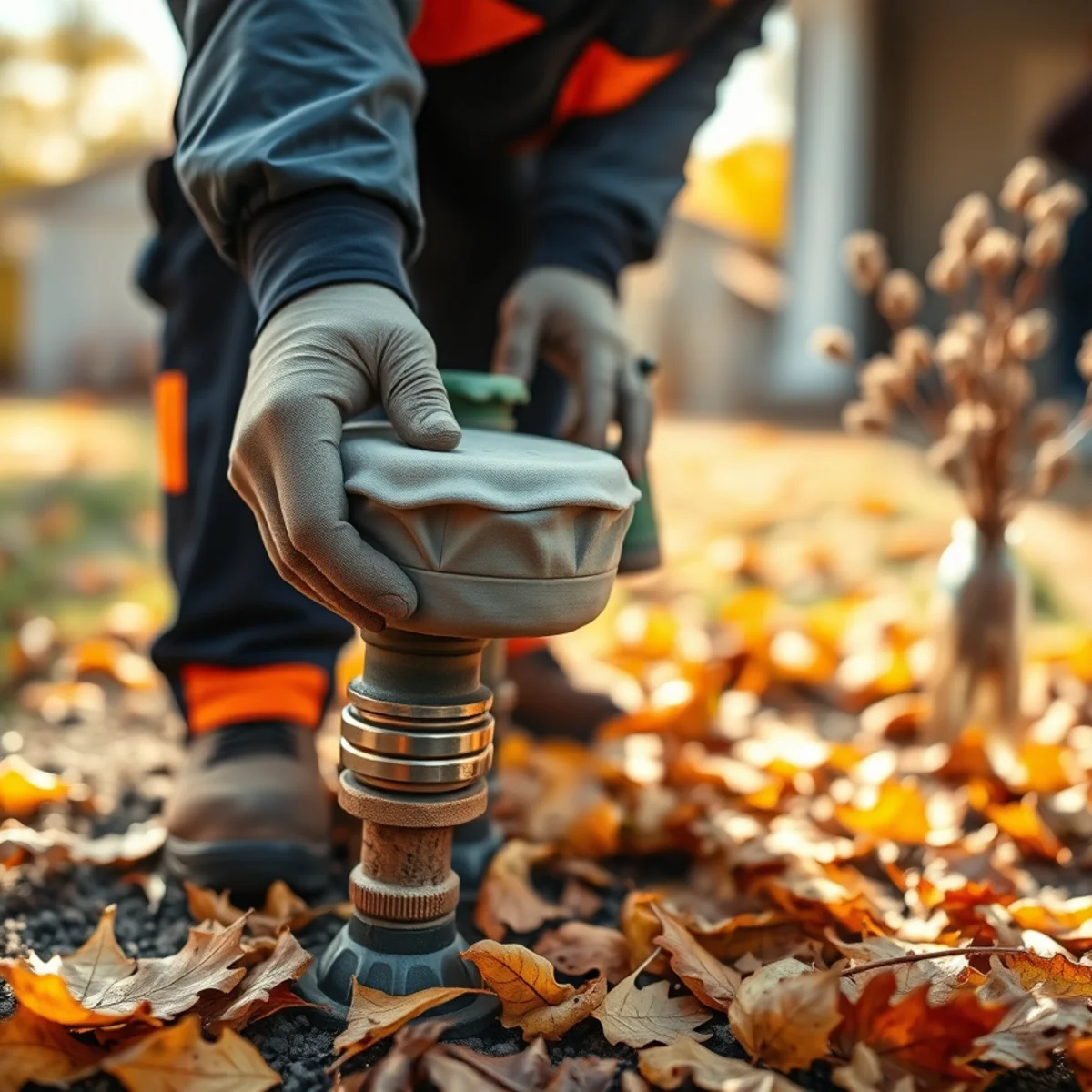
- Disconnect, drain, and store garden hoses
- Shut off and drain the supply to outdoor faucets, or install frost-proof hose bibs
- Flush your water heater to clear sediment before the season of heaviest hot-water use
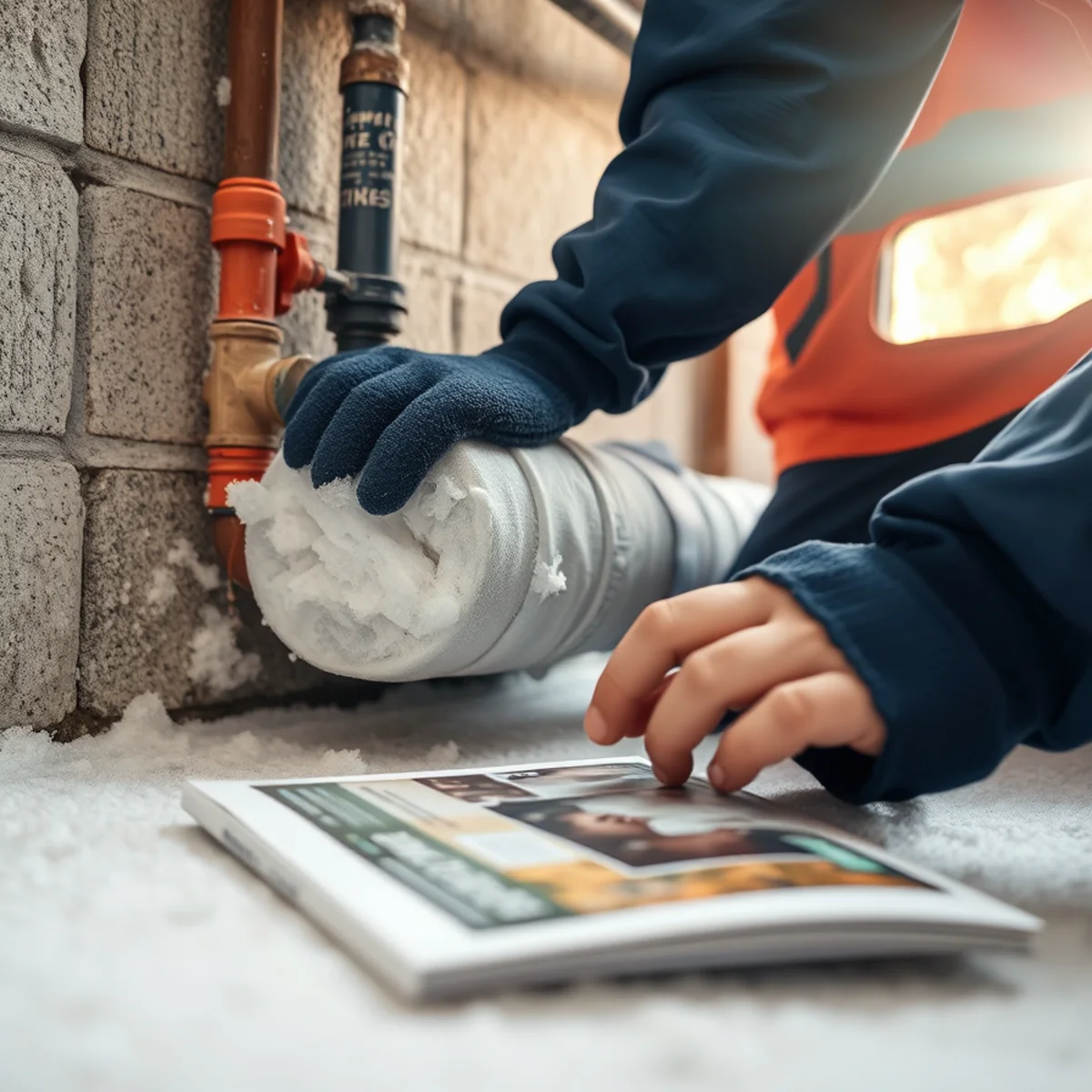
- Insulate pipes in unheated spaces — crawlspaces, garages, exterior walls
- Locate your main shutoff valve and make sure it works
Winter: Defend Against Frozen Pipes
Flushing the water heater is easy to skip and easy to regret — sediment builds up on the tank bottom, robs efficiency, and shortens the heater's life, and winter is exactly when you lean on it most. If your heater is rumbling, slow to reheat, or overdue, get water heater maintenance on the calendar before the cold sets in. Once temperatures drop below freezing, your job is simple: keep water moving and pipes warm.
Frozen pipes are the single most damaging plumbing emergency we see all winter, and they're largely preventable.
- On the coldest nights, let a faucet drip to keep water moving through vulnerable pipes
- Open cabinet doors under sinks on exterior walls so warm air reaches the pipes
- Keep the thermostat steady day and night — don't set it back too far when you're away
- Detach any hoses you missed in fall
- If you travel, never let the house drop below about 55 degrees
All Year: The Annual Service Reminders
If a pipe does freeze, shut off the water and thaw it slowly — never with an open flame. Older, less-insulated homes, like many in Noblesville, are especially prone to freeze-ups when a cold snap hits. Beyond the seasonal tasks, a few jobs just need to happen once a year, so put them on the calendar.
Service your water heater annually
Beyond the fall flush, an annual check of the anode rod, pressure-relief valve, and connections extends the life of the tank and keeps it running efficiently. It's a small investment that pushes off a much larger replacement bill.
Maintain your water softener
In our hard-water region, a softener protects every pipe and appliance in the house — but only if it's working. Check the salt level monthly, and once a year confirm it's regenerating properly and the settings still match your household. If yours is old or struggling, our team services water softeners and can get it back to protecting your plumbing.
Make the Checklist a Habit
None of these tasks take long, but skipping them is how a quiet Tuesday turns into an emergency. Tie each section to something you already do — testing the sump pump when you change the clocks, flushing the heater when you rake leaves — and the whole year takes care of itself.
When a task is beyond a quick DIY, or you'd rather have a pro handle the seasonal check, our team is here for homeowners across Central Indiana. We'll inspect what matters, tell you honestly what needs attention, and quote any work upfront before we start. Reach out and let's keep your plumbing ready for whatever Indiana weather sends next.
Frequently Asked Questions
Keep exploring
Related Services
Service Areas