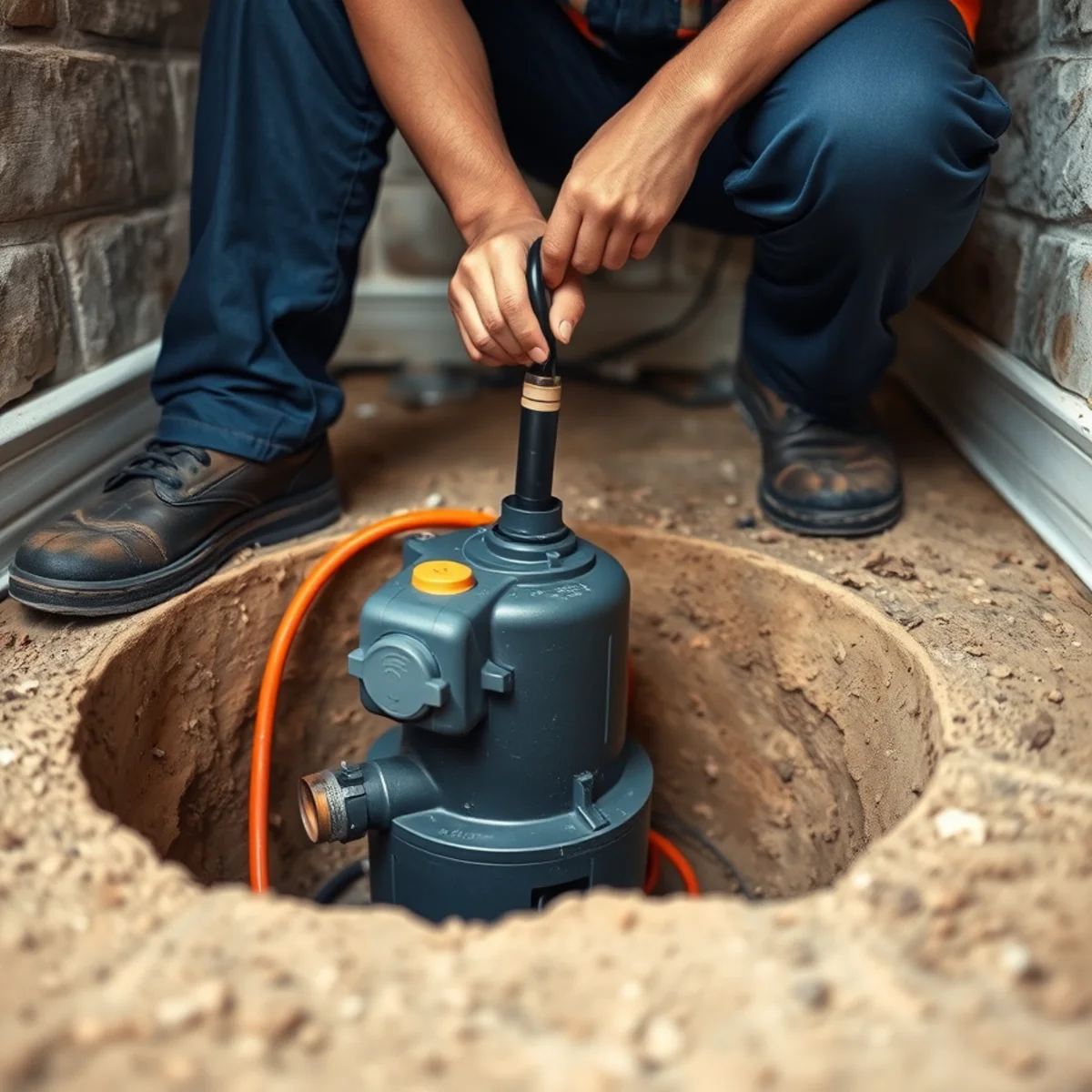
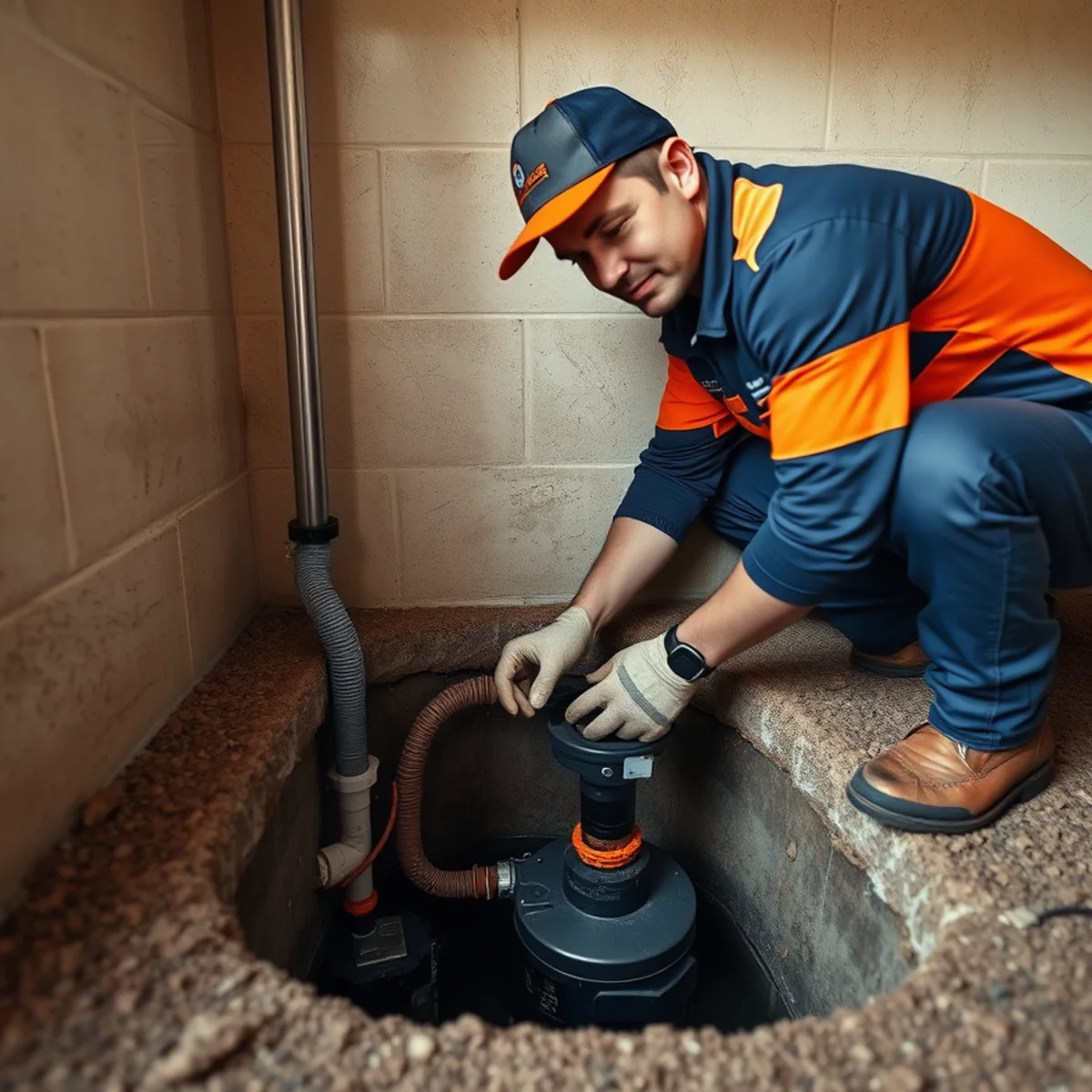
A sump pump is the one appliance in your house you never think about — until the power's out, the rain won't quit, and there's water creeping across the basement floor. In Indianapolis, that pump is doing more work than most homeowners realize.
We install, repair, and replace sump pumps throughout Central Indiana, and we set them up to keep working when you need them most: during a spring downpour or a power outage. Whether your pump is running non-stop, cycling oddly, or dead quiet when it shouldn't be, we'll get your basement protected again.
Signs Your Sump Pump Needs Attention
Don't wait for a flood to find out your pump has quit. Call us if you notice:
- The pump runs constantly or short-cycles on and off even when it's dry out
- Strange grinding, rattling, or humming sounds from the pit
- Visible rust, or water that smells musty and stagnant in the basin
- The pump is more than 7 to 10 years old and has never been replaced
- Any standing water or dampness on the basement floor after a hard rain
Why Indianapolis Basements Need a Good Pump
Central Indiana sits on heavy clay soil with a high water table, and our springs bring plenty of rain. That combination pushes groundwater against your foundation and up through the floor. Your sump pump is the last line of defense that keeps it out of the basement.
Because our pumps work hard, they wear out faster than the box promises. We see failures most often right when they matter — during heavy spring storms — which is exactly why we push regular testing. Homeowners across Greenwood and the neighborhoods south of downtown deal with this every year.
The Bucket Test — and What We Check
Want to know if your pump works? Slowly pour a bucket of water into the pit until the float rises. A healthy pump kicks on, pumps the water out, and shuts off cleanly. If it hesitates, runs on after the pit is empty, or doesn't start at all, something's wrong.
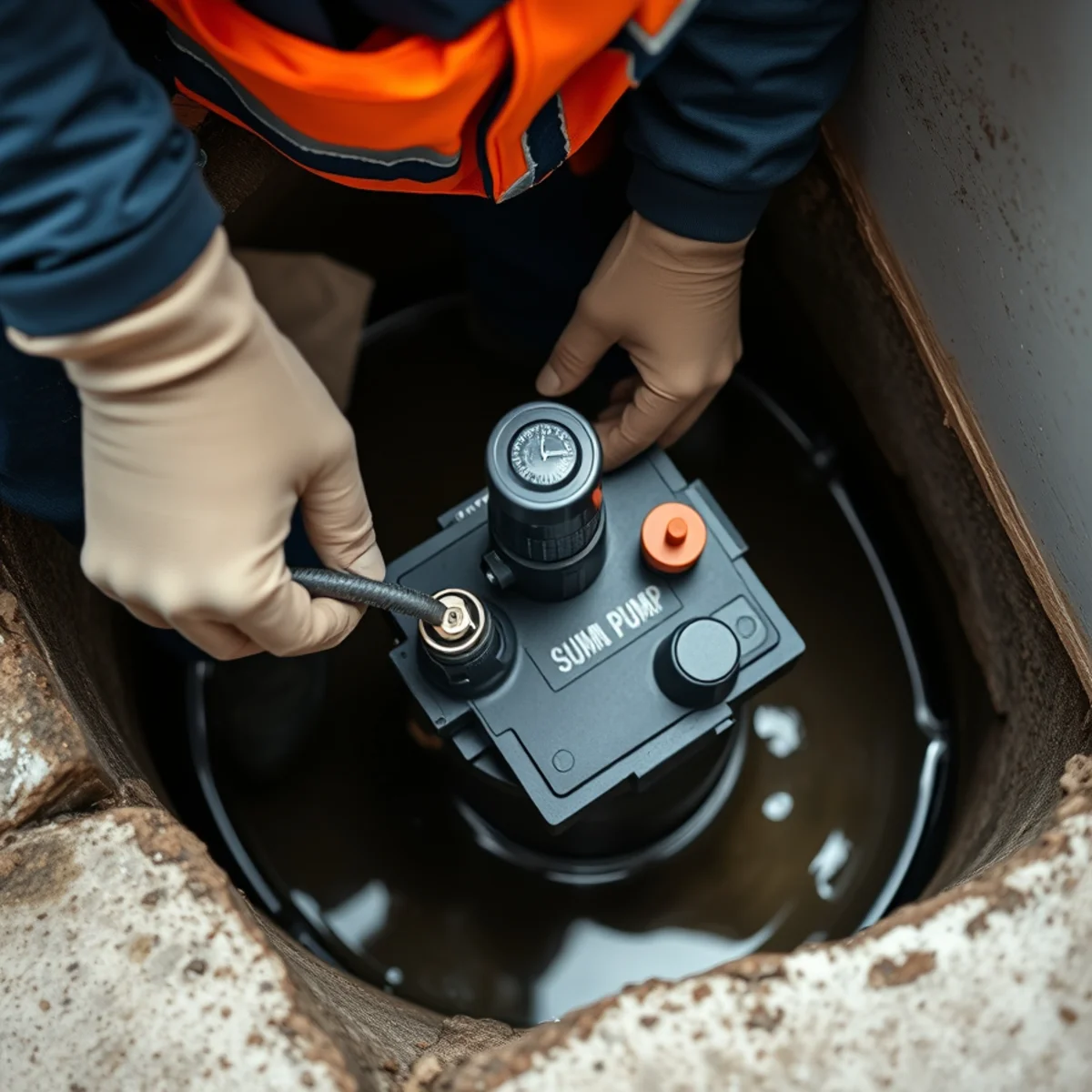
When we service a pump, we go further than the bucket test. We check the float switch, the check valve, the discharge line for clogs or freezing, and the overall condition of the motor. Keeping up with simple sump pump maintenance is the cheapest insurance a basement owner can buy.
- Test the float switch and confirm the pump cycles cleanly
- Inspect the check valve so water doesn't flow back into the pit
- Clear the discharge line and confirm it drains away from the foundation
- Check the motor, power source, and pit for debris
Battery Backup — Because Storms Kill the Power
Here's the cruel part: the same storms that flood your basement are the ones that knock out your power. A pump with no electricity is just a paperweight sitting in a filling pit.
A battery backup system keeps your pump running through an outage, and it also covers you if the primary pump ever fails. For finished basements, it's not a luxury — it's the difference between a dry floor and a ruined one. We'll size a backup to your home and show you honestly whether you need one.
Install, Repair, or Replace
Sometimes a pump just needs a new float switch or a cleared discharge line, and we'll happily make that repair rather than sell you a whole new unit. Other times a motor is burned out or the pump is well past its years, and replacement is the smarter money.
If water is already coming in and the pump is dead, that's an emergency — our emergency plumbing team will get to you fast. A slow leak elsewhere can also mimic a sump problem, so we sometimes pair a pump check with leak detection to find the real source. And if your pit fills because a clogged line is backing up, a drain cleaning may be the fix. In winter, keeping the discharge line from freezing matters too — our tips on preventing frozen pipes apply to that line as well.
Getting Ahead of Spring Storms and Snowmelt
Most sump pump failures show up at the worst possible time — during the first heavy spring rain, when the pit fills faster than a tired pump can keep up. The fix is simple: test and service the system before the wet season, not during it. We clean out the pit, check the float switch for hang-ups, confirm the check valve is holding, and make sure the discharge line is clear and pitched away from the foundation.
Central Indiana's freeze-thaw cycle adds one more wrinkle. A discharge line that's buried too shallow or slopes the wrong way can freeze solid in January, leaving the pump running against a blocked pipe. We check for that too. For a season-by-season rundown you can handle yourself, our sump pump maintenance guide lays out the checks worth doing a few times a year.
What Affects the Cost of Sump Pump Work
We quote every job upfront, before we start. A few things move the price:
- Whether it's a repair, a straight replacement, or a new pit and install
- The type and horsepower of pump your basement needs
- Whether you add a battery backup or a secondary pump
- The condition of the existing pit, discharge line, and check valve
- How accessible the pit and power source are
You'll know the full price before any work begins — no surprises after the fact.
Why choose Ryan Water Systems for sump pump services?
A sump pump only earns its keep when the storm hits and the water's rising — so we install and service them like your basement depends on it, because it does. Family-owned since 2013, licensed, and insured, we size the pump to your pit and water table, set up a backup that actually kicks in, and test everything before we leave. Honest, upfront pricing has earned us 4.8 stars across 18 Google reviews, and we treat your home like our own.
- 13+ years serving Central Indiana
- 4.8★ from 18 Google reviews
- Licensed & insured, family owned & operated
- Upfront pricing — no hidden fees
- 24/7 emergency response
- Satisfaction guarantee on every job
Sump Pump Services across Indianapolis & Central Indiana
Wet basements come with the territory across Central Indiana, especially where the water table sits high. We install and service sump pumps throughout Indianapolis — from the older homes around Broad Ripple and Meridian-Kessler to the newer basements out by Geist and Fishers. Spring storms and fast snowmelt don't wait, so we make sure your pump, backup, and discharge line are ready before the wet season rolls in.