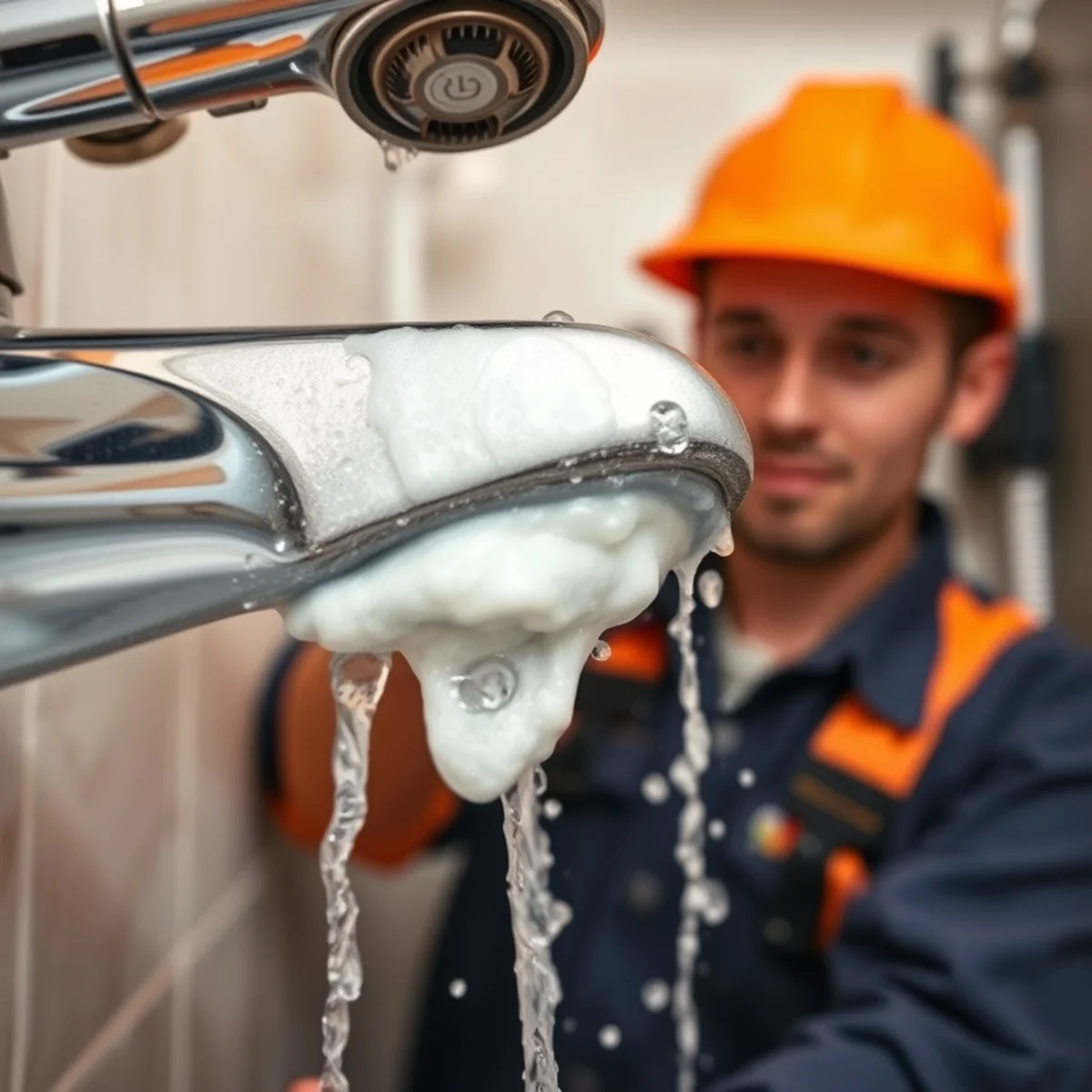
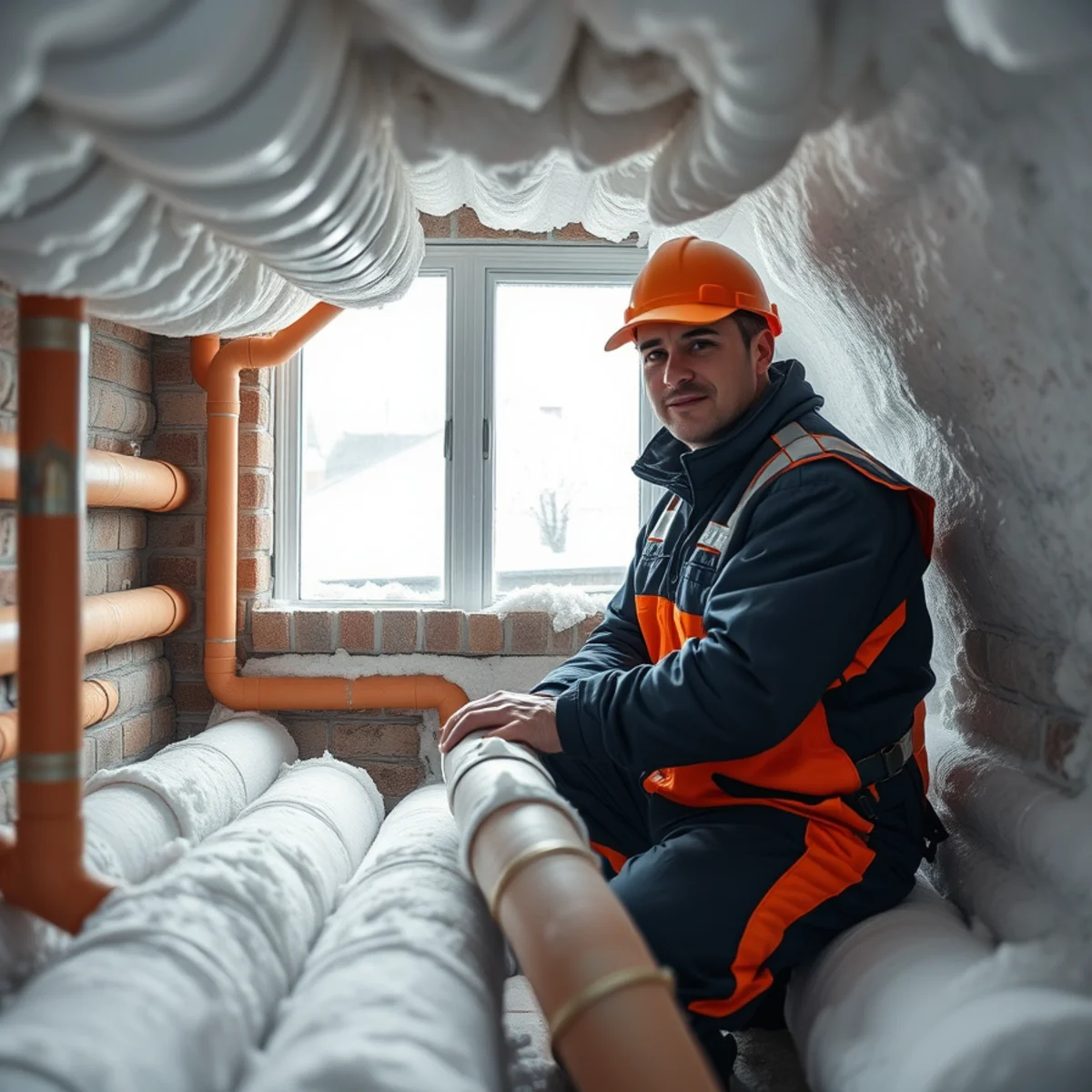
A hard Indiana freeze doesn't announce itself. One brutally cold night, water sitting in an exposed pipe turns to ice, expands, and splits the pipe open. The real damage often waits until the thaw, when that crack starts pushing water into your walls, ceilings, and floors.
The frustrating part is that most frozen-pipe disasters are preventable with an hour of preparation. We've cleaned up plenty of them across Central Indiana, and nearly every one traces back to a pipe that could have been protected. Here's how to keep yours from making the list.
Which Pipes Freeze First
Freezing isn't random. It hits the pipes with the least protection from your home's heat, so knowing where they are tells you where to focus.
Pipes in exterior walls
Water lines running through outside walls sit closest to the cold and often have thin insulation between them and the freezing air. Kitchen and bathroom sinks on exterior walls are common trouble spots.
Crawl spaces and attics
Unheated crawl spaces and attics get nearly as cold as the outdoors. Pipes running through them have almost no help from your furnace and freeze fast on a bitter night.
Hose bibs and outdoor faucets
The outdoor spigot is one of the most common casualties. Water trapped in the line freezes, and the split often hides inside the wall where you won't see it until spring.
Insulate Before the Cold Sets In
Pipe insulation is inexpensive and one of the highest-value hours you'll spend on your home all winter. Foam sleeves slip right over exposed pipes in the basement, crawl space, and garage, giving that water a buffer against the cold.
Pay special attention to any pipe you can see in an unheated area. If it's exposed and it carries water, it's a candidate for a sleeve. For homes with a history of freezing in the same spot, heat tape rated for pipes adds another layer of protection in that trouble zone.
What to Do on a Hard-Freeze Night
When the forecast drops into single digits or below, a few simple moves make a real difference. None of them take more than a minute.
- Let vulnerable faucets drip. Moving water is far harder to freeze than still water, and a slow trickle relieves the pressure that actually bursts a pipe.
- Open cabinet doors under sinks so warm room air can reach the pipes behind them, especially on exterior walls.
- Keep the heat on and don't set the thermostat too low, even when you're away. A warmer house protects the pipes inside the walls.
- If you're traveling, don't turn the heat off. Set it to a safe minimum and consider having someone check the house.
Fall Prep That Pays Off All Winter
The best time to beat a freeze is before the first hard one. Disconnect and drain your garden hoses in the fall. A hose left attached traps water in the spigot and gives ice a straight path back into the wall of your home.
If your outdoor faucets aren't frost-proof, shut off their supply valve inside and drain the lines. And while you're thinking about winter, this is a smart moment to make sure your sump pump is ready, because winter thaws and heavy melt keep it working right when a frozen backup line could cause trouble.
Know Where Your Main Shut-Off Is
This is the single most important thing in this whole guide. If a pipe bursts, the amount of damage comes down to how fast you can stop the water. Every second the water runs is more water in your home.
Find your main shut-off valve today, before you need it. It's usually near where the water line enters the house, often in the basement or a utility area. Make sure it turns freely, and show everyone in the household where it is. In an emergency, the person nearest that valve is your first line of defense. If a pipe fails despite your best efforts, that's exactly when to call an emergency plumber right after you've shut the water off.
If a Pipe Freezes: Do This, Not That
A frozen pipe hasn't necessarily burst yet, so acting quickly can save you. If a faucet gives you only a trickle on a cold morning, you may have a freeze forming. Open that faucet so water can flow once the ice starts melting, and apply gentle heat to the pipe with a hair dryer or warm towels, working from the faucet end back toward the frozen section.
Never thaw a pipe with an open flame, a blowtorch, or anything similar. It's a serious fire risk and can damage the pipe. If you can't find the frozen spot, if the pipe has already split, or if you're just not sure, shut off the water and get professional help. Cracked or repeatedly frozen lines sometimes need a proper pipe repair or repiping to fix for good.
Head Into Winter Prepared
A frozen pipe is one of the few household disasters you can genuinely prevent with a little foresight. Insulate what's exposed, let faucets drip on the worst nights, disconnect your hoses, and know where that shut-off valve is.
We help homeowners winterize across Indianapolis and the northern suburbs, including Zionsville and Carmel. If you'd like a hand checking your home's weak spots before the deep cold arrives, reach out and we'll help you get ready.
Frequently Asked Questions
Keep exploring
Related Services
Service Areas