
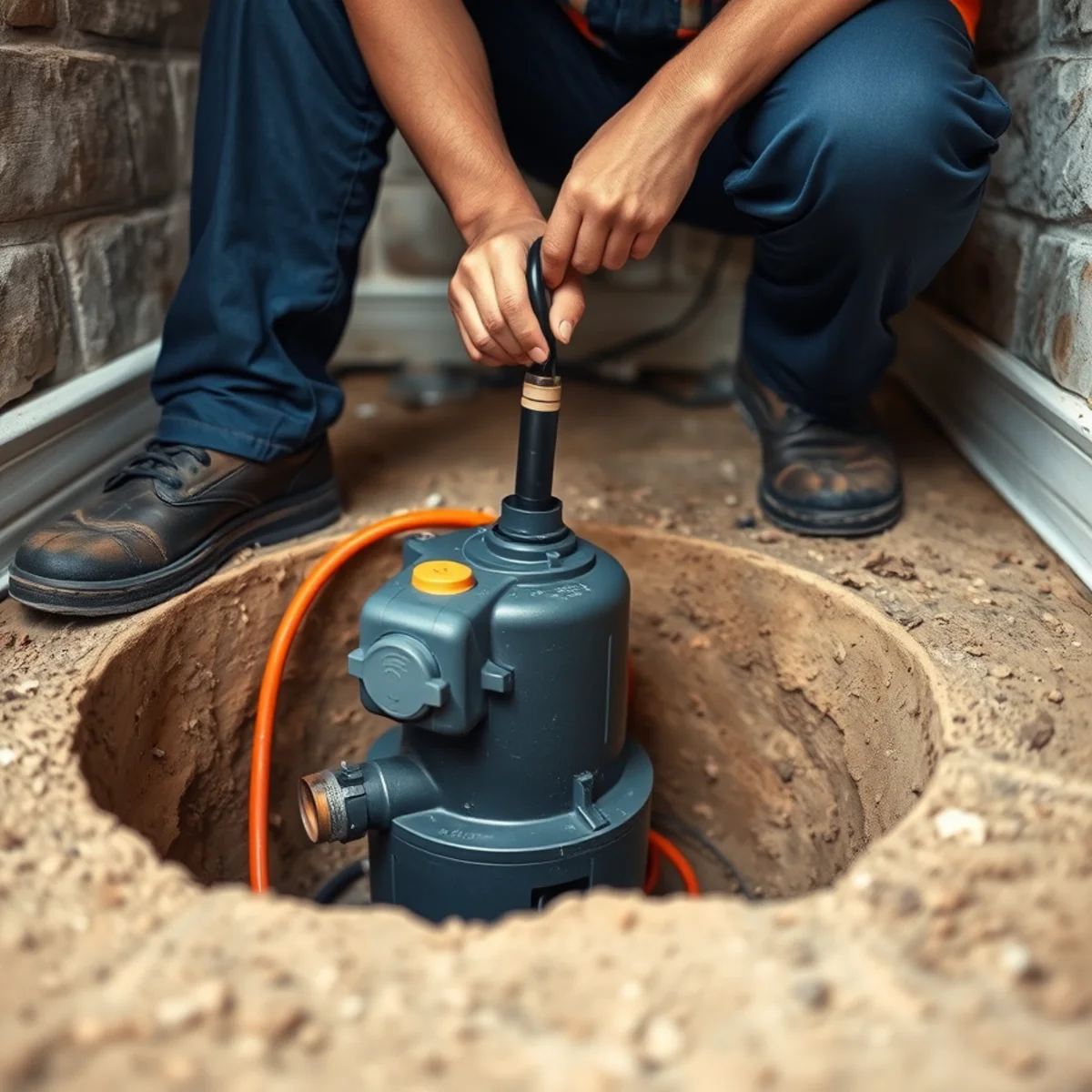
Your sump pump spends most of its life sitting in a dark pit doing nothing — until the night a spring storm dumps two inches of rain and it becomes the only thing standing between your basement and a flood. That's exactly the wrong time to discover it hasn't run in months.
Central Indiana is hard on sump pumps. Our heavy clay soil holds water like a bathtub, wet springs push the water table up against your foundation, and a single failure can mean thousands in damage. A few minutes of maintenance a few times a year keeps that pump ready when you need it most.
Why Indianapolis Basements Depend on Sump Pumps
The soil across Marion and Hamilton counties is heavy clay. Instead of letting rainwater drain down and away, clay holds it near the surface and against your foundation walls. Add the freeze-thaw cycles of an Indiana winter and the soaking rains of March through May, and groundwater has a constant push toward the lowest point it can find — often your basement floor.
That's why homes in low-lying and older areas like Fishers and Avon rely on a working sump pump to keep basements and crawlspaces dry. The pump collects groundwater in a pit and sends it away from the house before it can seep in. When it fails, the water has nowhere to go but up.
The Quarterly Bucket Test
The single most useful thing you can do is test the pump about four times a year — a good habit is to tie it to the change of seasons. The whole thing takes five minutes and tells you the pump will actually run when the pit fills.
- Slowly pour a five-gallon bucket of water into the sump pit
- Watch for the float to rise and the pump to switch on
- Confirm the water level drops quickly and the pump shuts off on its own
- Listen for grinding, rattling, or a motor that hums without pumping
Clean the Pit and Intake
Over time the sump pit collects silt, gravel, and debris that washes in with the groundwater. That gunk can clog the pump's intake screen and shorten the motor's life. Once or twice a year, unplug the pump, lift it out, and clear the sludge from the bottom of the pit.
Rinse the intake screen at the base of the pump so water can flow freely, and wipe any buildup off the float mechanism. While you're down there, make sure the pit lid is intact — a proper lid keeps debris out and cuts down on humidity and radon in the basement.
Check the Check Valve and Float
Two small parts cause a surprising share of pump failures. Both are easy to check once you know what you're looking at.
The check valve
The check valve sits on the discharge pipe and stops pumped water from flowing back down into the pit after the pump shuts off. If yours is failing, you'll hear water rushing back after each cycle and the pump will run more often than it should — wasting energy and wearing out faster. It's an inexpensive part and an easy replacement.
The float switch
The float is what tells the pump to turn on and off. Make sure it moves freely and isn't rubbing against the side of the pit or tangled on the pump's cord. A stuck float is one of the most common reasons a perfectly good pump fails to start when it matters most.
Back Up Your Backup Before Storm Season
Here's the cruel irony of sump pumps: the storms most likely to flood your basement are also the ones most likely to knock out your power. A standard pump plugged into the wall is useless during an outage. A battery backup system keeps pumping when the grid goes down, and it's the difference between a dry basement and a disaster.
If you already have a battery backup, test it every spring and replace the battery on schedule — most last three to five years and then quietly die. If you don't have one, spring storm season is the reason to add it. A backup pump also covers you if the primary fails for any reason, giving you a real second line of defense.
- Test the backup battery each spring
- Replace batteries every 3 to 5 years, even if they seem fine
- Make sure the backup pump activates when the primary is unplugged
- Consider a high-water alarm that alerts you before the floor floods
Signs Your Sump Pump Is Failing
Pumps rarely die without warning. Catch these signs early and you can replace the pump on your schedule instead of during an emergency:
- Runs constantly or cycles on and off rapidly
- Strange noises — grinding, rattling, or heavy vibration
- Visible rust or a motor that's hot to the touch
- Runs but moves little or no water
- Age — most sump pumps last 7 to 10 years
Build a Simple Maintenance Routine
None of this takes special skills — just a calendar reminder. Test with a bucket every season, clean the pit twice a year, check the valve and float, and confirm your backup works before spring. That short list prevents the overwhelming majority of sump pump failures. And when a pump quits mid-storm, our emergency plumbing team can get a new one in fast — but the calmer, cheaper path is catching it first.
If your pump is aging, running oddly, or you'd rather have a pro handle the inspection and any repairs, our team installs and services sump pumps throughout Central Indiana. We'll test the whole system, tell you honestly where it stands, and quote any work before we start. Reach out and get your basement ready for the next big storm.
Frequently Asked Questions
Keep exploring
Related Services
Service Areas